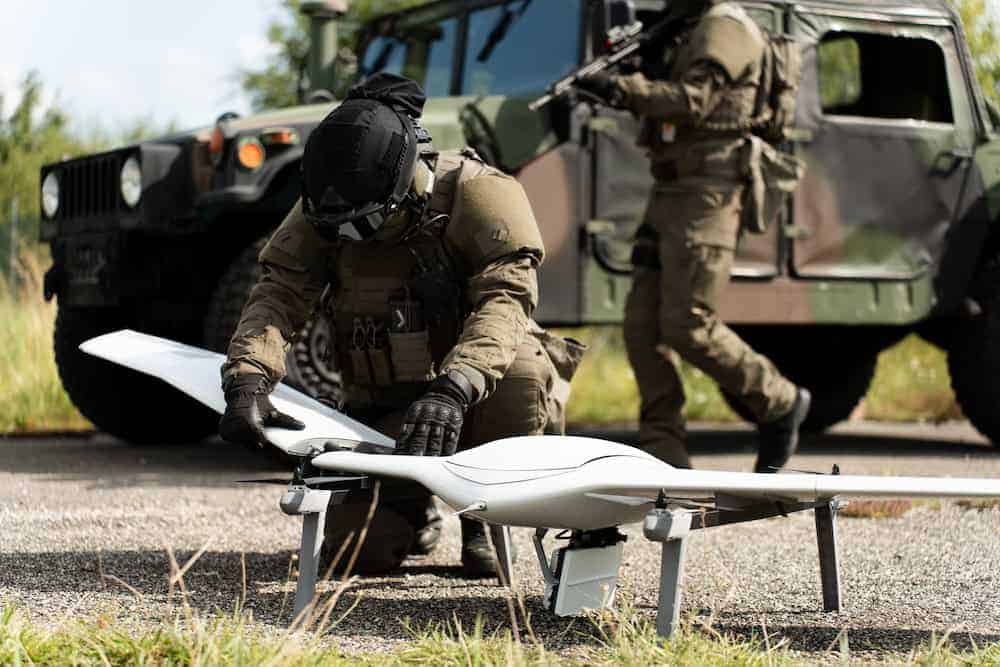
European Defense Firms Partner on Sensor-to-Interceptor Counter-Drone Network – Dronelife: Building Europe’s C-UAS Shield
European defense firms are developing a sensor-to-interceptor counter-drone network to automate the detection and neutralization of unmanned aerial systems. According to reports from Dronelife and Unmanned Airspace, this effort includes a partnership between Alpine Eagle and Origin Robotics for Eurosatory 2026 and France’s acquisition of Latvian BLAZE interceptor drones to establish local production.
How the Alpine Eagle and Origin Robotics Partnership Works
Alpine Eagle and Origin Robotics have announced a strategic integration of their respective counter-unmanned aircraft systems (C-UAS) technologies. According to Unmanned Airspace, the two firms are aligning their capabilities to create a seamless transition from the moment a drone is detected to the moment it is neutralized. This integration is scheduled for a primary showcase at Eurosatory 2026.
The partnership focuses on the “sensor-to-interceptor” pipeline. In traditional C-UAS setups, detection and interception often operate as separate silos, requiring manual hand-offs between different hardware and software suites. By integrating their technologies, Alpine Eagle and Origin Robotics aim to reduce the “kill chain” time—the interval between identifying a threat and deploying a countermeasure.
Key elements of this integration include:
- Unified Data Streams: Sensors from one partner feed real-time telemetry directly into the targeting systems of the other.
- Automated Target Acquisition: Reducing the reliance on human operators to manually guide interceptors toward a target.
- Interoperability: Ensuring that different types of sensors (radar, acoustic, or optical) can trigger a variety of interceptor responses.
This collaboration reflects a broader trend in European defense where specialized firms are moving away from proprietary, closed-loop systems toward open architectures that allow different components to communicate across a network.
Why France is Purchasing Latvian BLAZE Interceptor Drones
France has moved to acquire BLAZE interceptor drones developed in Latvia, according to reports from Мілітарний. The acquisition is not merely a purchase of hardware but a strategic move to launch local production of the BLAZE system within French borders.
The BLAZE drone is designed specifically as a kinetic interceptor. Unlike electronic warfare systems that rely on jamming signals—which can be defeated by frequency-hopping or autonomous navigation—the BLAZE drone physically intercepts the target. This “hard kill” capability ensures the drone is removed from the air regardless of its electronic resilience.
The decision to launch local production in France suggests several strategic goals:
- Supply Chain Security: Reducing dependence on foreign shipments during a conflict.
- Rapid Iteration: Allowing French engineers to modify the interceptors based on evolving threat profiles encountered in the field.
- Economic Sovereignty: Building a domestic industrial base for C-UAS production.
The shift toward local production of Latvian-designed interceptors indicates that France views C-UAS capabilities as a critical infrastructure requirement rather than a niche procurement item.
What is a Sensor-to-Interceptor Network?
A sensor-to-interceptor network is a closed-loop system that integrates three distinct phases of defense: detection, tracking, and neutralization. According to the technical frameworks discussed by Dronelife, the goal is to remove the friction between these stages.

The Detection Phase (The Sensor)
The “sensor” part of the network typically involves a multi-layered approach. Because no single sensor is perfect, these networks combine several technologies:
- Radar: Provides long-range detection and distance tracking but can struggle with small, plastic-bodied drones.
- Radio Frequency (RF) Scanners: Detect the communication links between a drone and its operator.
- Electro-Optical/Infrared (EO/IR) Cameras: Provide visual confirmation and precise targeting coordinates.
- Acoustic Sensors: Use microphones to identify the specific sound signatures of drone motors.
The Decision Phase (The Network)
Once a sensor detects a target, the data is processed by a Command and Control (C2) system. This is where the Alpine Eagle and Origin Robotics integration is most critical. The C2 system determines if the target is a threat and selects the most efficient interceptor for the job based on the drone’s altitude, speed, and distance.
The Neutralization Phase (The Interceptor)
The “interceptor” is the active element of the network. While some systems use lasers or jamming, the BLAZE drones mentioned by Мілітарний represent the kinetic approach. These interceptors may use nets, physical collision (ramming), or onboard munitions to destroy the target.
| Component | Primary Function | Example Technology |
|---|---|---|
| Sensor | Detection & Identification | AESA Radar, RF Scanners |
| Network/C2 | Targeting & Coordination | Integrated Software Suites |
| Interceptor | Neutralization | BLAZE Kinetic Drones |
The Strategic Context: Why Europe is Pivoting to C-UAS
The acceleration of these partnerships is a direct response to the proliferation of low-cost, high-impact drones in modern conflict. The war in Ukraine has served as a real-world laboratory, demonstrating that traditional air defense systems—designed to shoot down jets and missiles—are often too expensive or inefficient to use against a swarm of small drones.
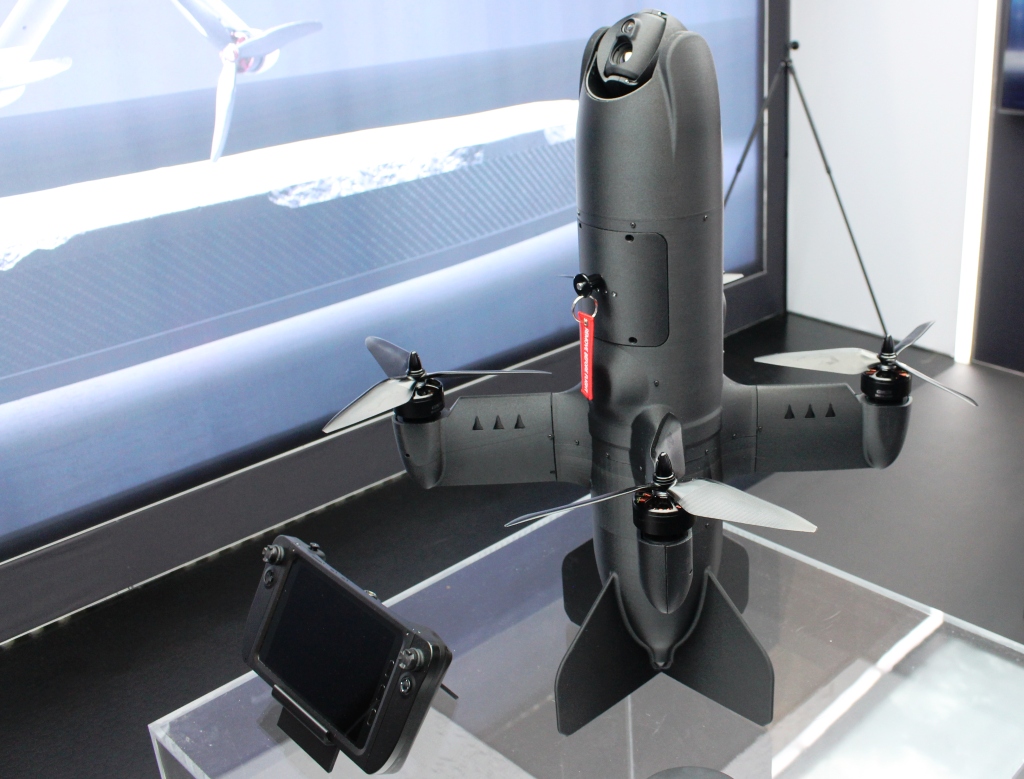
Industry analysts suggest that the “cost-per-kill” ratio is the primary driver. Using a million-dollar surface-to-air missile to destroy a $500 commercial drone is economically unsustainable. The sensor-to-interceptor network, utilizing drones like the BLAZE to fight other drones, creates a more sustainable economic model for defense.
Furthermore, the move toward integrated networks addresses the “swarm” problem. A single operator cannot manually track and shoot down twenty drones simultaneously. An automated network can distribute targets across multiple interceptors, managing the battle space in real-time with minimal human intervention.
This shift is also seen as a necessity for protecting critical infrastructure. Airports, power plants, and government buildings are now vulnerable to small-scale drone attacks, making the rapid deployment of integrated C-UAS networks a matter of national security for EU member states.
Comparing Kinetic Interception vs. Electronic Jamming
The adoption of the BLAZE interceptor by France highlights a growing preference for kinetic solutions over electronic ones. For years, the primary defense against drones was jamming—flooding the drone’s control frequency with noise to force it to land or return home.
However, current trends show a decline in the effectiveness of jamming due to three main factors:
- Autonomous Flight: Drones using GPS-independent navigation or computer vision do not need a radio link to reach their target, making jamming useless.
- Frequency Hopping: Advanced drones can switch frequencies rapidly to avoid jamming signals.
- Collateral Interference: High-power jammers can interfere with friendly communications and civilian infrastructure.
Kinetic interceptors, such as those being produced in the France-Latvia partnership, avoid these issues. A physical collision is a definitive result that cannot be “jammed” or “programmed around.” While kinetic drones are more complex to deploy than a jammer, they provide a guaranteed neutralization of the threat.
For more information on the evolution of unmanned systems, see our related explainer on autonomous drone navigation.
Timeline of European C-UAS Developments
The current momentum in the C-UAS sector is the result of several years of rapid prototyping and procurement shifts. The following timeline outlines the progression toward the sensor-to-interceptor model.
| Period/Date | Milestone | Significance |
|---|---|---|
| 2022-2023 | Mass Deployment in Ukraine | Revealed vulnerabilities of traditional air defense to small drones. |
| 2024 | France-Latvia BLAZE Agreement | Shift toward kinetic interception and domestic production. |
| Current | Alpine Eagle & Origin Robotics Partnership | Integration of sensors and interceptors into a single network. |
| 2026 | Eurosatory 2026 Showcase | Expected debut of fully integrated C-UAS network capabilities. |
Common Misconceptions About Counter-Drone Networks
As the industry evolves, several misconceptions persist regarding how these networks actually function.
Misconception: One Sensor Fits All
Many believe a single powerful radar can solve the drone problem. In reality, “stealthy” drones made of carbon fiber or plastic often disappear from radar. This is why the Alpine Eagle and Origin Robotics partnership emphasizes integration—using RF and acoustic sensors to fill the gaps where radar fails.
Misconception: Interceptors are Always “Kamikaze” Drones
While the BLAZE system involves kinetic interception, not all interceptors are designed to explode. Some use nets to capture drones intact for intelligence gathering, while others use high-energy lasers to disable electronics. The “interceptor” category is a broad spectrum of tools.
Misconception: Automation Means No Human Control
Despite the “sensor-to-interceptor” automation, most European defense frameworks still maintain a “human-in-the-loop” requirement. The network handles the detection and targeting, but a human operator typically authorizes the final “kill” command to avoid friendly fire or civilian casualties.
Industry Impact and Future Outlook
The collaboration between European firms suggests a move toward a standardized “C-UAS Ecosystem.” Rather than each country building its own isolated system, the integration of Latvian hardware, French production, and partnerships between firms like Alpine Eagle and Origin Robotics points toward a modular European defense shield.
This modularity allows for “plug-and-play” upgrades. If a new sensor is developed that can detect drones more efficiently, it can be integrated into the existing network without needing to replace the interceptors. Similarly, if a new interceptor like the BLAZE becomes the gold standard, it can be linked to existing sensor arrays across different nations.
The focus on local production in France also sets a precedent for other EU nations. By licensing technology from smaller, innovative states like Latvia and scaling it in larger industrial hubs, Europe can rapidly modernize its defenses without the decade-long lead times typical of traditional aerospace projects.
As the 2026 Eurosatory deadline approaches, the industry will likely see more “cross-pollination” between sensor specialists and interceptor manufacturers. The goal is no longer just to build a better drone or a better radar, but to build a faster, more intelligent network that connects the two.
Frequently Asked Questions
What is the main goal of the sensor-to-interceptor network?
The primary goal is to automate and accelerate the process of detecting a drone and neutralizing it. By integrating sensors and interceptors into a single network, defense firms aim to reduce the time it takes to respond to a threat, minimizing the chance of a successful drone attack.

Who are the key players in the recent European C-UAS partnerships?
Key players include Alpine Eagle and Origin Robotics, who are integrating their C-UAS technologies for Eurosatory 2026, and the Latvian developers of the BLAZE interceptor drones, which France is now purchasing and producing locally.
Why is France producing BLAZE drones locally instead of just importing them?
Local production ensures supply chain security, allows for faster technical modifications to meet new threats, and strengthens France’s domestic defense industrial base.
How do BLAZE interceptors differ from traditional drone jammers?
Traditional jammers use electronic signals to disrupt a drone’s connection. BLAZE interceptors use kinetic force to physically destroy or capture the target. This makes them effective against autonomous drones that do not rely on external radio signals.
When will the integrated C-UAS technologies be fully demonstrated?
According to reports regarding the Alpine Eagle and Origin Robotics partnership, the integrated technologies are slated for a major demonstration at Eurosatory 2026.
For a deeper look at how these systems fit into broader military strategies, you may find our analysis of European defense procurement trends useful.
