
The U.S. and Iran have reached a digital agreement to ease restrictions on the Strait of Hormuz, marking the first formal diplomatic breakthrough between the two nations since 2020, according to sources familiar with the talks. The deal, signed Friday near Lucerna, Switzerland, was brokered by former U.S. President Donald Trump’s national security adviser, Mick Mulvaney, alongside Eliot L. Engel, the former chair of the House Foreign Affairs Committee, and Mohammad Bagher Ghalibaf, Iran’s speaker of parliament.
Under the terms of the agreement, Washington has revoked its blockade on Iranian ports, a move Tehran confirmed in a public statement Friday. The decision comes amid heightened tensions in the region, where U.S. sanctions and Iranian military posturing have raised fears of a broader conflict.
Why This Deal Matters in a Region on Edge
The Strait of Hormuz, a critical chokepoint for global oil shipments, has been a flashpoint in U.S.-Iran tensions for over a decade. The new accord, while limited in scope, represents a rare instance of direct diplomatic engagement between the two adversaries since the Trump administration withdrew from the 2015 Iran nuclear deal and reimposed sweeping sanctions. The agreement’s digital signature—conducted via encrypted channels—reflects the cautious, backchannel nature of the negotiations, which took place at the Grand Hotel Burgenstock, a Swiss lakeside resort known for hosting high-level talks.

According to Iranian officials, the U.S. has also agreed to pause certain economic restrictions in exchange for Tehran’s commitment to maintain access to the Strait of Hormuz for international shipping. The move follows months of indirect negotiations facilitated by European intermediaries, including Germany and Switzerland.
Key Players and Their Stakes
The agreement was finalized by three key figures, each representing a different political faction:
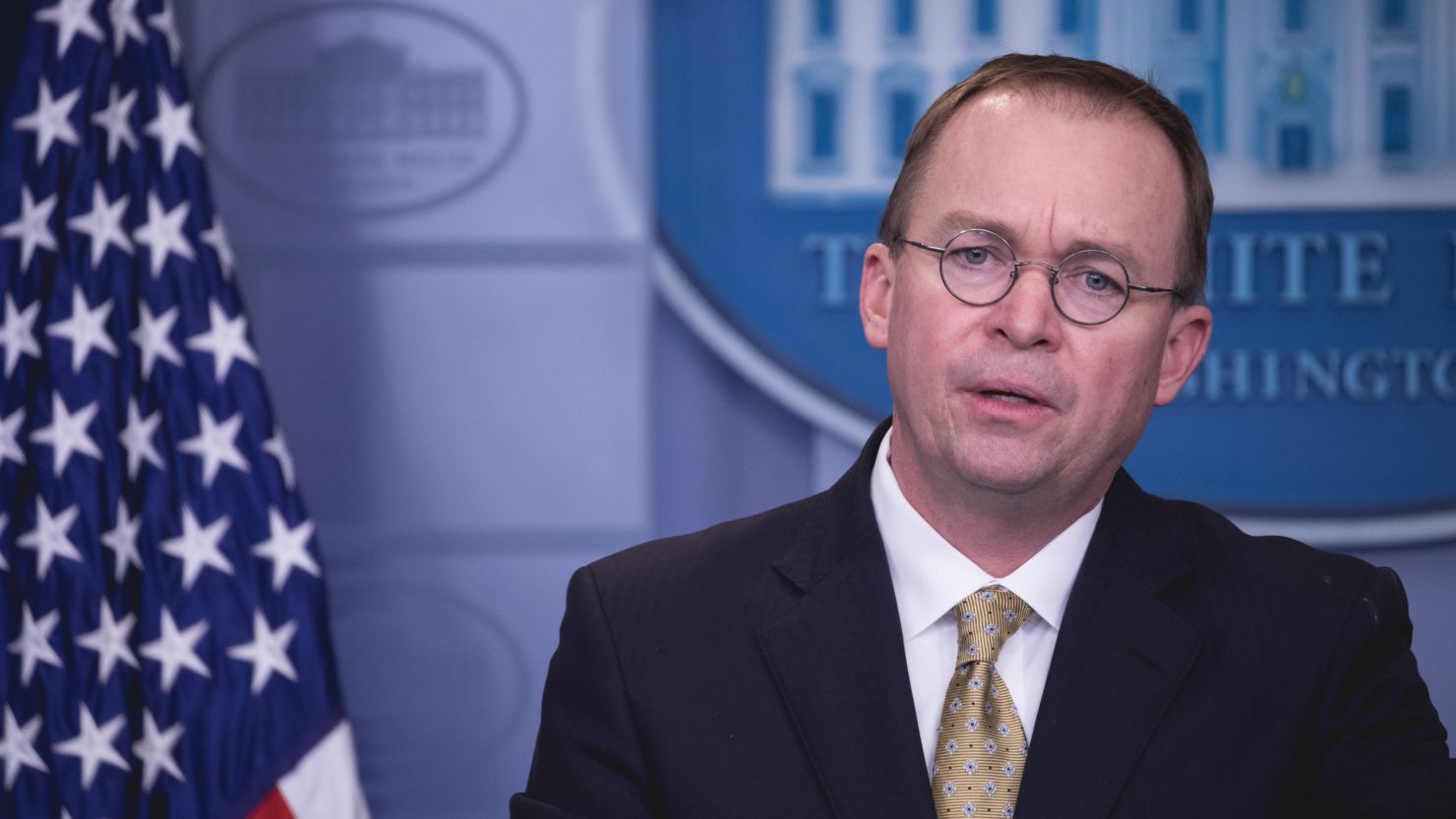
- Mick Mulvaney, a hardline conservative and former Trump aide, whose involvement signals the deal’s alignment with Washington’s hawkish stance on Iran.
- Eliot L. Engel, a moderate Democrat who has long advocated for engagement with Tehran, bringing a centrist perspective to the talks.
- Mohammad Bagher Ghalibaf, Iran’s speaker of parliament, a pragmatic hardliner who has previously clashed with the country’s Supreme Leader but has also pushed for economic pragmatism.
Ghalibaf’s participation underscores the deal’s domestic political sensitivity in Iran, where hardline factions remain skeptical of any concessions to the U.S. In a statement Friday, he urged Israeli Prime Minister Benjamin Netanyahu to exercise restraint, warning that further escalation could undermine regional stability.
Netanyahu must be more responsible in his actions. The region cannot afford another miscalculation.
— Mohammad Bagher Ghalibaf, Iranian Speaker of Parliament
How the Deal Compares to Past Attempts
This agreement stands in stark contrast to previous U.S.-Iran diplomatic efforts, which have repeatedly collapsed under mutual distrust. The 2015 nuclear deal, brokered under the Obama administration, unraveled after Trump withdrew in 2018, leading to a cycle of tit-for-tat sanctions and retaliatory measures. Unlike those talks, this deal focuses narrowly on operational issues—port access and maritime security—rather than broader political or nuclear concessions.
Analysts note that the digital signature process reflects the current reality of U.S.-Iran relations: distrust runs too deep for in-person summits, but pragmatic cooperation remains necessary to prevent accidental escalation. The choice of Burgenstock, a neutral Swiss venue with a history of hosting sensitive negotiations, further underscores the need for secrecy.
The resort, perched on the shores of Lake Lucerna, has hosted previous high-stakes talks, including a 2018 meeting between U.S. and North Korean officials. Its secluded setting allows for discreet negotiations without the risk of public backlash.
What Happens Next?
While the deal does not resolve broader U.S.-Iran tensions, it sets a precedent for limited cooperation. Iranian officials have stated that the port blockade will remain lifted as long as the U.S. maintains its commitments. However, the agreement does not address other contentious issues, including Iran’s ballistic missile program or U.S. support for regional proxies.

In Washington, the deal has drawn mixed reactions. Some lawmakers have praised the move as a step toward de-escalation, while others warn that it could embolden Tehran without securing meaningful concessions. The Biden administration has not yet commented publicly, but sources indicate it is monitoring the situation closely.
The immediate focus will be on whether the agreement holds. If it does, it could pave the way for further talks—though any expansion of the deal will require careful navigation of domestic politics on both sides.
