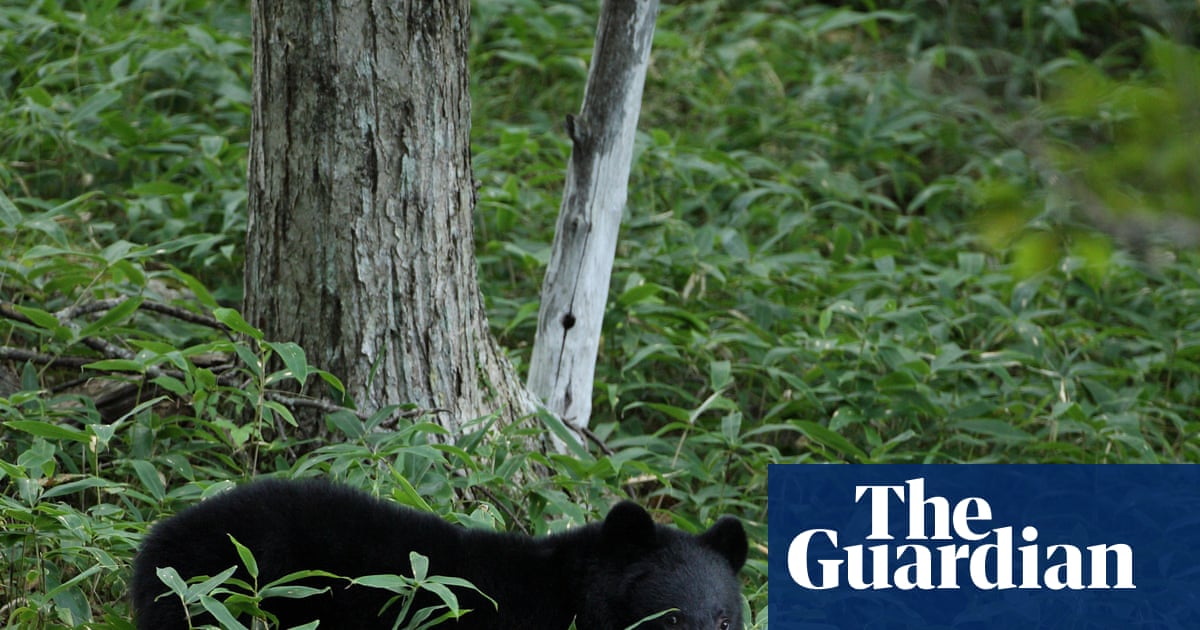
Japanese city shuts down nearly 100 schools after unprecedented bear sighting – The Guardian
A Japanese city has suspended operations at 94 schools following an unprecedented bear sighting, signaling a sharp escalation in human-wildlife conflict. According to reports from Reuters and The Guardian, the closures reflect extreme caution as Japan faces a deepening bear crisis, with NHK WORLD-JAPAN reporting 23 casualties and three deaths since April.
Why a Japanese city suspended 94 schools over a bear sighting
The decision to shut down nearly 100 educational institutions is an extraordinary measure that underscores the severity of the current wildlife situation in Japan. According to Reuters, 94 schools were suspended after a bear was sighted in an area where such encounters are not typical. The Guardian described the sighting as “unprecedented,” suggesting that the bear had entered a residential or urban zone where the local infrastructure and population were unprepared for such an encounter.
The scale of the shutdown indicates a “zero-risk” approach by local authorities. Rather than closing only the schools in the immediate vicinity of the sighting, the city opted for a wide-scale suspension to ensure that students were not exposed to danger during their commutes. This move highlights a growing anxiety regarding the unpredictability of bear behavior in populated areas.
Key details of the school closures:
- Number of schools affected: 94 institutions.
- Reason for closure: An “unprecedented” bear sighting in the city.
- Primary objective: Student safety and the prevention of accidental encounters.
The deepening bear crisis: Casualty rates and attack trends
The school closures are not isolated incidents but part of a broader, more dangerous trend across the country. NHK WORLD-JAPAN has reported that since April, bear attack casualties in Japan have reached 23 people, with three of those incidents resulting in death. This data provides a quantitative look at the risk levels currently facing residents in bear-populated regions.

The Telegraph has further noted that the crisis is “deepening,” reporting four additional attacks in a recent wave of violence. The transition from occasional sightings to frequent, injurious attacks suggests a shift in the relationship between humans and bears in Japan. When casualty numbers reach double digits within a single season, the psychological impact on the community often leads to the kind of drastic municipal responses seen with the mass school closures.
| Metric | Data (Since April) | Source |
|---|---|---|
| Total Casualties | 23 | NHK WORLD-JAPAN |
| Total Deaths | 3 | NHK WORLD-JAPAN |
| Recent Escalation | 4 additional attacks | The Telegraph |
Unusual bear behavior: The factory window escape
Beyond the numbers and the closures, specific incidents have emerged that suggest bears are becoming more adept at navigating human environments. In a striking report from the BBC, Japanese police revealed that a bear managed to escape from a factory by opening a window.
This specific detail is significant because it demonstrates a level of problem-solving and environmental interaction that goes beyond simple wandering. The ability of a bear to manipulate a window latch or slide suggests that these animals are not merely stumbling into human spaces but are actively interacting with human structures to find exits or entries.
Such behavior increases the risk to the public. If bears can open windows, traditional barriers—such as closed doors or simple window locks—may no longer be sufficient to keep them out of homes or businesses. This adaptability likely contributed to the panic and the subsequent decision to shut down 94 schools, as authorities can no longer assume that buildings are inherently secure.
Analyzing the impact of the “unprecedented” sightings
The term “unprecedented” is used by The Guardian to describe the nature of these sightings. In the context of Japanese wildlife management, this suggests that bears are appearing in locations where they have historically been absent or where their presence was considered impossible.
When a bear enters a city to the point where nearly 100 schools must close, it indicates a breakdown in the natural boundaries between wildlife habitats and urban centers. This shift creates a cascade of social and economic disruptions:
- Educational Disruption: The suspension of 94 schools affects thousands of students and requires a massive logistical effort to reschedule learning and manage childcare.
- Public Anxiety: The reporting of “unprecedented” sightings creates a climate of fear, where residents may feel unsafe in their own neighborhoods.
- Resource Strain: Local police and wildlife experts must be deployed in larger numbers to track animals and secure perimeters.
The contrast between the BBC’s report on the factory escape and the Reuters report on the school closures shows two sides of the same coin: the bears are becoming more capable of entering human spaces, and the human response is becoming more drastic to compensate for that capability.
Comparing media perspectives on the bear crisis
Different international news outlets have framed this crisis through different lenses, providing a comprehensive view of the situation when analyzed together.
Reuters and The Guardian have focused heavily on the institutional response, highlighting the sheer number of school closures. This framing emphasizes the societal shock and the scale of the municipal reaction. In contrast, NHK WORLD-JAPAN has provided the statistical reality, focusing on the casualty count (23 injured, 3 dead) to ground the story in hard data.
The Telegraph has framed the situation as a progressive crisis, using terms like “deepens” to suggest that the problem is not static but worsening. Meanwhile, the BBC has highlighted the behavioral anomaly of the bear opening a factory window, adding a layer of narrative tension regarding the intelligence and adaptability of the animals involved.
The convergence of these reports suggests a crisis that is simultaneously statistical (rising deaths), behavioral (opening windows), and institutional (mass school closures).
Risk management and the “Zero-Tolerance” approach
The decision to shut down 94 schools is a textbook example of extreme risk mitigation. In many countries, a single bear sighting might lead to a warning or the closure of a specific park. However, the Japanese response suggests a lack of confidence in the ability to contain the animal once it enters a city.
This “zero-tolerance” for risk is likely driven by the data provided by NHK WORLD-JAPAN. When three people have already died since April, the political and social cost of a child being attacked far outweighs the cost of closing schools for a few days. The “unprecedented” nature of the sighting means there is no existing playbook for the city to follow, leading them to choose the safest possible option: total suspension of activity.
For those interested in how governments manage wildlife threats, this event serves as a case study in how a few high-profile casualties can trigger a massive, systemic shutdown of public services.
Related explainer on wildlife management strategies in urban zones.
Frequently Asked Questions
How many schools were closed in the Japanese city?
According to reports from Reuters and The Guardian, 94 schools were suspended following an unprecedented bear sighting.

How many people have been injured or killed by bears in Japan recently?
NHK WORLD-JAPAN reports that since April, there have been 23 casualties, including three deaths.
Is it true that a bear opened a window to escape a building?
Yes, the BBC reported that Japanese police confirmed a bear opened a window to escape from a factory.
Why was the bear sighting described as “unprecedented”?
The Guardian used this term to indicate that the sighting occurred in a location or manner that is not typical for the area, leading to the mass closure of schools.
Are the bear attacks part of a larger trend?
Yes, The Telegraph reports that Japan’s bear crisis is “deepening,” with recent reports of four additional attacks contributing to the overall rise in human-wildlife conflict.
