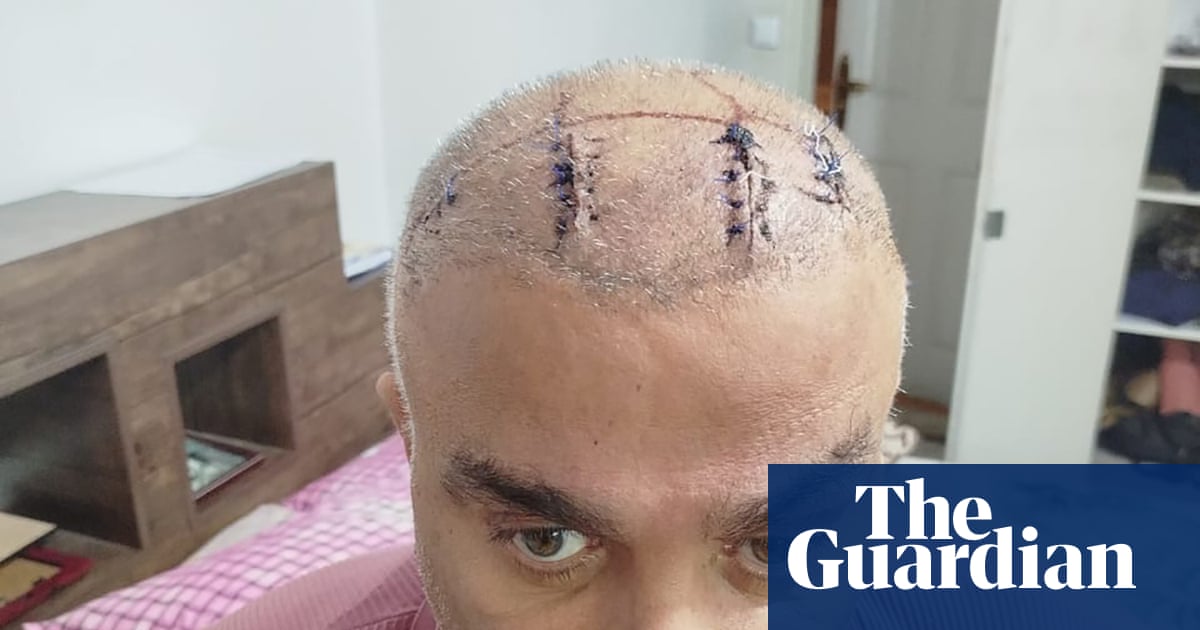
Brutal Detentions and Alleged Torture in Iranian Prisons: A Deep Dive into Rising Concerns
The harrowing account of a detainee describing being beaten until unconsciousness has ignited global scrutiny of Iran’s prison system, as reports of arbitrary arrests, physical abuse, and fatalities continue to surface. These allegations, corroborated by international human rights organizations and local activists, highlight a troubling escalation in the treatment of political dissidents, religious minorities, and individuals perceived as threats to the regime. While the Iranian government has consistently denied such claims, the growing volume of testimonies and documented cases has sparked urgent calls for transparency and accountability.
This article examines the context, scope, and implications of these allegations, exploring the systemic challenges within Iran’s legal and judicial frameworks, the human toll on detainees, and the international response to these developments. By analyzing firsthand accounts, expert analyses, and historical precedents, this piece aims to provide a comprehensive overview of a crisis that has far-reaching consequences for both Iran and the broader international community.
The Alarming Pattern of Arrests and Abuse
Over the past several years, Iran has witnessed a marked increase in the number of individuals detained without due process, often under vague charges related to political dissent, religious beliefs, or perceived threats to national security. According to multiple reports from non-governmental organizations (NGOs), the rate of arbitrary arrests has surged, particularly following periods of social unrest or geopolitical tensions. These detentions frequently occur without formal charges, and detainees are often subjected to prolonged interrogations, physical violence, and psychological pressure.
One of the most alarming aspects of these arrests is the use of torture as a tool for extracting confessions or silencing opposition. Survivors and family members have described horrific scenarios, including beatings, electric shocks, and sleep deprivation. The phrase “They beat me until I lost consciousness” has become a chilling refrain among those who have endured such treatment, underscoring the severity of the abuse.
While the Iranian government has historically dismissed such allegations as fabrications by external forces, the consistency of these reports across different regions and communities suggests a systemic issue. Human rights groups have documented cases of detainees dying in custody, with authorities attributing these deaths to “natural causes” or “self-harm,” a narrative that critics argue is designed to obscure the truth.
Key Incidents and Testimonies
Among the most cited cases is that of a Christian activist, whose arrest and subsequent detention were widely reported in international media. According to witnesses, the individual was detained during a crackdown on religious minorities and subjected to severe physical and psychological abuse. Though the details of their condition remain unclear, the case has become a symbol of the broader pattern of repression faced by marginalized groups.
Another notable case involves a group of students who were arrested during a protest against government policies. Their testimonies, shared with human rights organizations, describe being forced to stand for hours in confined spaces, deprived of food and water, and threatened with death if they did not comply with interrogators’ demands. These accounts, while hard to verify independently, align with patterns observed in other similar cases.
Experts note that the lack of independent oversight in Iran’s prison system makes it challenging to confirm the full extent of these abuses. However, the sheer volume of allegations, coupled with the international community’s growing concern, has led to increased pressure on the Iranian government to address these issues.
Historical Context and Political Climate
To understand the current situation, This proves essential to consider Iran’s historical relationship with human rights and political dissent. The Islamic Republic, established in 1979, has long maintained a strict control over its citizens, prioritizing loyalty to the regime over individual freedoms. Over the decades, this has manifested in the suppression of political opposition, the persecution of religious minorities, and the criminalization of dissenting voices.
The recent surge in arrests and abuses coincides with heightened political tensions both domestically and internationally. Protests against government policies, such as economic hardships and restrictions on civil liberties, have been met with harsh crackdowns. The ongoing conflict with neighboring countries and the imposition of international sanctions have created an environment where the regime may feel emboldened to suppress dissent more aggressively.
Analysts suggest that the Iranian government’s actions are not solely driven by internal security concerns but also by a desire to maintain its authority amid growing public discontent. By targeting activists, journalists, and opposition figures, the regime seeks to deter further protests and consolidate its power. This approach, however, risks exacerbating the crisis, as it fuels resentment and undermines the legitimacy of the state.
The Role of International Pressure
The international community has responded to these developments with a mix of condemnation and calls for diplomatic engagement. Human rights organizations, including Amnesty International and Human Rights Watch, have issued statements urging Iran to investigate allegations of torture and ensure the protection of detainees. Some countries have also imposed sanctions on Iranian officials implicated in human rights violations, though these measures have often been criticized as insufficient or politically motivated.
Meanwhile, the United Nations has repeatedly called for access to Iranian prisons to investigate claims of abuse. However, the Iranian government has consistently refused these requests, citing sovereignty concerns. This lack of transparency has fueled skepticism about the regime’s commitment to upholding international human rights standards.
Despite these challenges, some nations and international bodies have sought to leverage diplomatic channels to address the issue. For example, discussions at the United Nations Human Rights Council have highlighted the need for accountability, while regional organizations have emphasized the importance of dialogue. However, progress has been gradual, as the Iranian government remains resistant to external scrutiny.
Impact on Civil Society and Public Trust
The pervasive climate of fear and repression has had a profound impact on Iran’s civil society. Activists, journalists, and lawyers who advocate for human rights often operate under constant threat of arrest or violence. This has led to a chilling effect, with many individuals self-censoring their activities to avoid jeopardizing their safety or that of their families.
Public trust in the government has also been eroded. Surveys conducted by independent research institutions indicate a growing sense of disillusionment among Iranians, who view the regime as increasingly authoritarian and unresponsive to their needs. This sentiment is particularly strong among younger generations, who have
