
EPRU Defends Quotas Over Merit Selection: The Complex Battle for Transformation in Youth Rugby
The intersection of athletic excellence and social engineering has once again become a flashpoint in South African sport. Recent developments surrounding the Eastern Province Rugby Union (EPRU) have ignited a fierce debate over the selection criteria for schoolboy rugby, specifically regarding the prioritization of transformation quotas over traditional merit-based selection. As the EPRU defends its stance on quotas over merit selection, the controversy has evolved from a local selection dispute into a broader conversation about the soul of the game in one of South Africa’s most passionate rugby heartlands.
At the center of the storm is the EP Youth Week, an event designed to identify and nurture the next generation of talent. However, the event has recently been overshadowed by allegations of political interference and a selection process that many parents, coaches, and players claim ignores the objective performance of the athletes. The tension highlights a systemic struggle within the South African Rugby Union (SARU) framework: the attempt to balance the pursuit of world-class competitiveness with the urgent necessity of reflecting the country’s demographics.
The Core of the Conflict: Merit vs. Transformation
The dispute within the Eastern Province Rugby Union is not merely about who makes a starting lineup; it is a clash of philosophies. On one side is the principle of meritocracy—the belief that the most skilled and highest-performing players should be selected regardless of race, ensuring that the team is as competitive as possible.
On the other side is the transformation mandate. The EPRU, aligned with national directives, argues that “merit” is not a neutral term. They contend that historical systemic inequalities have meant that talent in marginalized communities has been historically overlooked, underfunded, and under-scouted. Quotas are not a rejection of merit but a tool to correct a distorted playing field, ensuring that players from all backgrounds have access to the elite pathways necessary for professional growth.
“Transformation is not about lowering standards; it is about expanding the pool from which excellence is drawn. When we talk about selection, we are talking about the future sustainability of the sport in a democratic South Africa.”
Critics, however, argue that applying these quotas at the schoolboy level—specifically during high-stakes selection weeks—can be demoralizing for young athletes. The argument is that when a player is omitted despite being statistically or visually the superior performer, it creates a perception of unfairness that can drive talented youth away from the sport entirely.
Key Points of Contention in the EP Selection Row
- Transparency: Allegations that the selection criteria were not clearly communicated to schools and coaches prior to the Youth Week.
- Political Interference: Claims that administrative directives overrode the technical opinions of coaching staff.
- Player Development: Concerns that selecting players based on quotas rather than current form may hinder the development of the selected players by placing them in environments where they are not yet competitively ready.
- The “Pipeline” Argument: The EPRU’s insistence that without aggressive transformation at the youth level, the professional ranks will never truly reflect the nation.
The Socio-Political Landscape of Eastern Province Rugby
To understand why the EPRU defends quotas over merit selection, one must understand the unique landscape of the Eastern Cape. The region is widely regarded as the “cradle of rugby” in South Africa, possessing a deep well of raw talent across diverse communities. Yet, the gap between affluent traditional rugby schools and under-resourced community schools remains vast.

In many rural and township schools, players possess immense natural ability but lack access to professional coaching, gym facilities, and structured competition. When these players compete against those from elite academies, the “merit” is often a reflection of access to resources rather than innate talent. The EPRU’s quota system is designed to bridge this gap, forcing the system to look beyond the polished product of the academy and invest in the raw potential of the community player.
| Perspective | Primary Goal | View on Quotas | Perceived Risk |
|---|---|---|---|
| EPRU Administration | Long-term inclusivity and social equity. | Essential tool for systemic change. | Stagnation of the sport’s demographic growth. |
| Traditionalists/Critics | Immediate competitive success. | Unfair barrier to the most talented. | Decline in the standard of play and player morale. |
| Youth Players | Personal growth and professional pathways. | Source of either opportunity or frustration. | Loss of motivation or lack of preparedness. |
The Ripple Effect: Impact on Schoolboy Rugby
The fallout from the selection row extends beyond the boardroom and the pitch. For a 16- or 17-year-old athlete, being selected for a provincial youth team is often the primary gateway to a professional contract or a university scholarship. When the selection process becomes a political battleground, the psychological impact on these teenagers is significant.
The Psychological Toll of Selection Disputes
When merit-based selection is perceived to be sidelined, two distinct psychological pressures emerge:
- The Overlooked Athlete: Players who feel they have “done everything right” but are excluded based on a quota may experience a sense of disillusionment. This can lead to a decline in performance or a total exit from the sport.
- The Quota-Selected Athlete: Players selected under transformation mandates often face the “stigma of the quota.” They may be viewed by peers or opponents as “undeserving,” creating an environment of toxicity that can hinder their confidence and integration into the team.
This dynamic suggests that while the intent of the EPRU’s policy is inclusive, the execution can inadvertently create new forms of alienation. The challenge for the union is to implement transformation in a way that empowers the selected player without dehumanizing the excluded one.
Analyzing the Broader SARU Transformation Strategy
The EPRU’s struggle is a microcosm of the larger strategy employed by the South African Rugby Union (SARU). For decades, rugby was a symbol of exclusion and apartheid. The transition to a representative sport has been a slow and often painful process. SARU has implemented various targets to ensure that the Springboks and provincial teams reflect the demographics of the country.
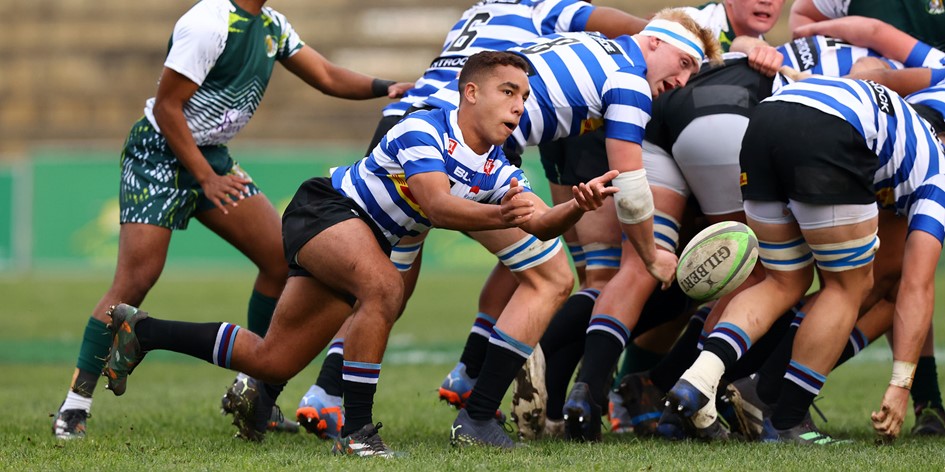
The debate over whether these targets should be “hard quotas” or “soft guidelines” has persisted for years. Hard quotas provide a guaranteed minimum representation, ensuring that transformation happens at a specific pace. Soft guidelines allow for more flexibility based on available talent. The EPRU’s current approach leans toward the former, reflecting a belief that “organic” transformation is too slow to meet the social needs of the country.
For more context on how these policies are evolving, you might find a related explainer on SARU transformation targets useful to understand the national framework.
Common Misconceptions Regarding Rugby Quotas
Much of the anger surrounding the EPRU’s defense of quotas stems from a misunderstanding of how these systems are intended to function. It is often framed as a binary choice between “the best player” and “a quota player,” but the reality is more nuanced.
Misconception 1: Quotas mean selecting “unskilled” players
In reality, quotas usually apply to a specific percentage of the squad. The players selected under these mandates are still among the top tier of their demographic. The controversy arises when the gap between the “top of the quota pool” and the “top of the overall pool” is perceived to be too wide. The goal is not to select unskilled players, but to ensure that the most skilled players from under-represented groups are not ignored.
Misconception 2: Transformation hurts the national team’s performance
Proponents of transformation argue the opposite: that by ignoring a huge portion of the population, South Africa is actually limiting its potential. By investing in a wider array of talent, the Springboks can find athletes with different styles of play and physical attributes that were previously untapped. The 2019 and 2023 World Cup victories are often cited as evidence that a diverse, representative team is the most successful model.
Misconception 3: Merit is an objective, unchangeable metric
The “merit” of a player is often measured by their performance in organized leagues. However, if one player has had a private coach and elite nutrition since age 10, and another has played barefoot on a dirt patch with no coaching, their “current merit” is different, but their “potential merit” may be identical. Transformation policies attempt to account for this disparity in opportunity.
The Path Toward a Balanced Selection Model
The current volatility in the Eastern Province suggests that the “quota vs. Merit” binary is unsustainable. To move forward, the EPRU and other provincial unions may need to adopt a more holistic approach to talent identification.
One potential solution is the implementation of Developmental Merit. Instead of a rigid quota at the final selection stage, unions could invest more heavily in “bridge programs.” These programs would take high-potential players from under-resourced schools and provide them with the same elite training as academy players before the selection week occurs. This would effectively “level up” the merit of the transformation pool, reducing the friction during final selections.
increasing transparency in the selection process could mitigate accusations of political interference. By publishing the specific criteria—including how transformation targets are weighted alongside performance metrics—the EPRU could provide a clearer roadmap for players and coaches.
Strategies for Reducing Selection Conflict
- Earlier Identification: Moving transformation efforts from the “selection” phase to the “development” phase.
- Clearer Communication: Providing schools with explicit guidelines on how provincial teams are constructed.
- Independent Review: Using third-party scouts to validate the “potential” of players from non-traditional rugby backgrounds.
- Holistic Scouting: Looking at athletic markers (speed, power, agility) rather than just game-play experience.
The Long-Term Implications for South African Rugby
The outcome of the current row in the Eastern Province will likely serve as a bellwether for other provinces. If the EPRU successfully defends its position and manages to develop a new crop of diverse talent, it will validate the quota system as a necessary catalyst for growth. If, however, the dispute leads to a mass exodus of talent or a collapse in the quality of youth rugby in the region, it may force a reconsideration of how transformation is implemented at the grassroots level.
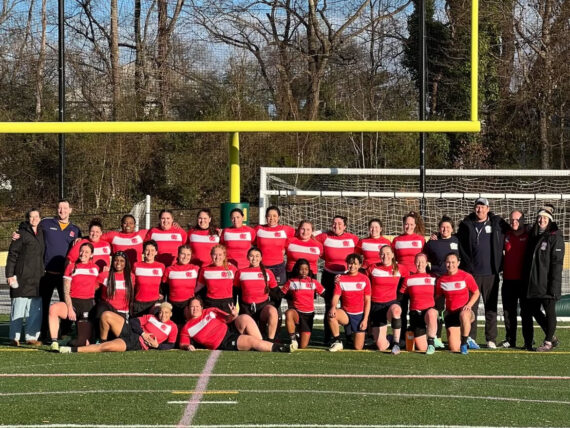
The broader implication is that rugby in South Africa cannot exist in a vacuum. It is a sport that carries the weight of the country’s history. Every selection decision is, in some way, a statement about who belongs in the game and who is valued. The EPRU’s insistence on quotas is an attempt to ensure that the “belonging” is universal.
As the debate continues, the focus must eventually return to the players. Whether selected via a quota or via traditional merit, the ultimate goal is to produce athletes who can compete at the highest level. The tragedy of the current situation is when the politics of the game overshadow the passion of the players.
Frequently Asked Questions
Why does the EPRU prioritize quotas over merit selection in youth rugby?
The EPRU argues that historical inequalities have prevented talented players from marginalized communities from accessing elite coaching and resources. Quotas are used as a corrective measure to ensure these players are identified and integrated into the professional pipeline, ensuring the sport reflects the national demographic.
What is the difference between “merit selection” and “transformation targets”?
Merit selection typically refers to picking the players who are currently performing the best based on objective statistics or coach evaluation. Transformation targets are predetermined goals to ensure a specific percentage of the team comes from under-represented racial or social groups to promote inclusivity and social equity.
Does the use of quotas lower the standard of rugby?
This is a point of intense debate. Critics argue it does by omitting the “best” available players. Supporters argue it raises the standard in the long run by expanding the talent pool and bringing in new styles of play and athletic profiles that were previously ignored.
How do quotas affect young players psychologically?
It can be a double-edged sword. Some players feel empowered by the opportunity, while others may feel the stigma of being a “quota pick.” Conversely, players who are omitted despite high performance may feel disillusioned or unfairly treated.
Is the EPRU the only union using these policies?
No, the EPRU’s policies are generally aligned with the broader transformation goals set by the South African Rugby Union (SARU), though the intensity and method of implementation can vary between different provincial unions.
For those interested in the broader administrative side of the sport, you may want to read a guide to provincial rugby governance to see how these unions are structured.
