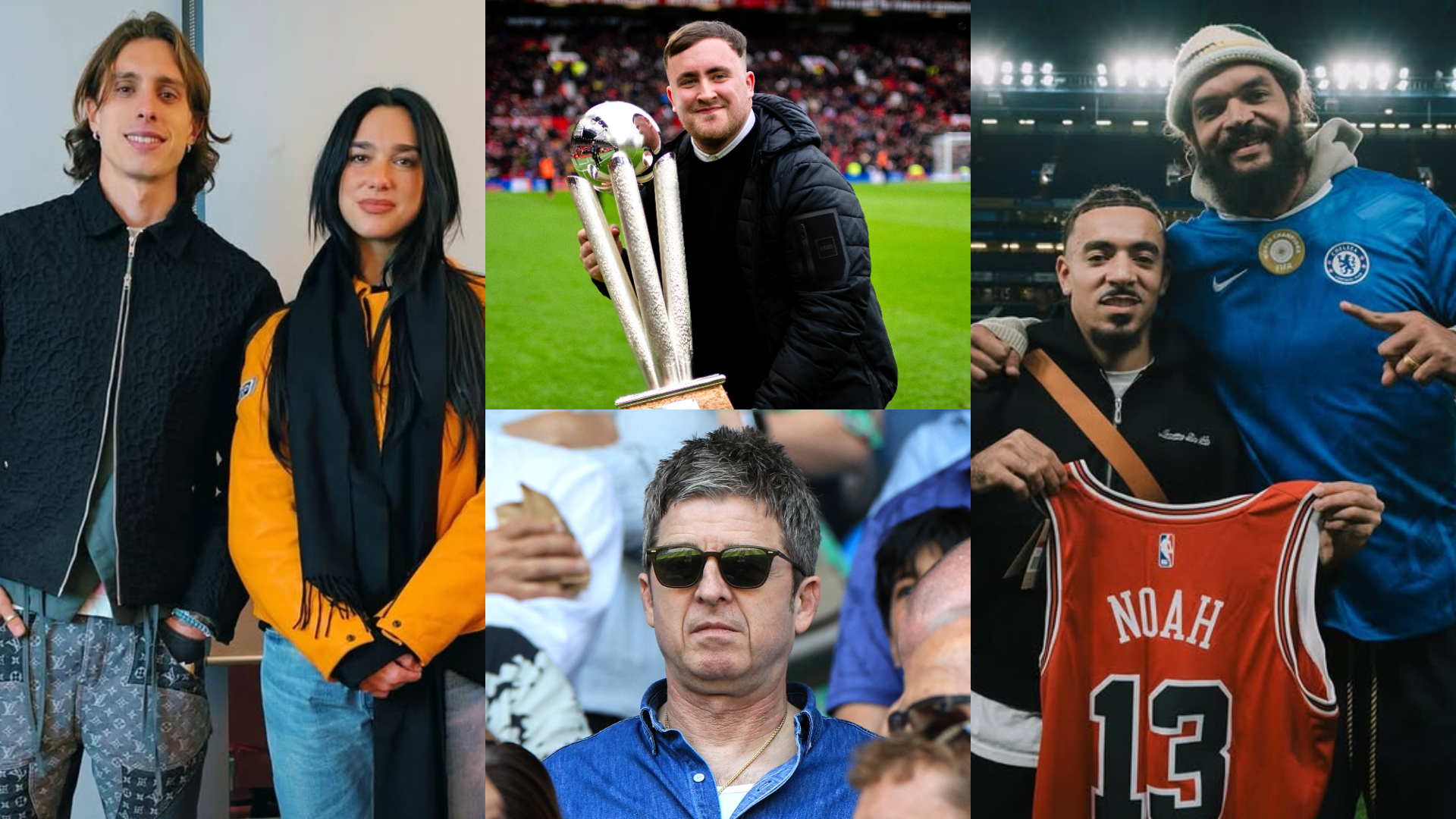
Spotted: Which celebrities were at Premier League matches in 2025/26? – Premier League
The intersection of global superstardom and elite athletics has reached a fever pitch during the 2025/26 campaign. From the high-fashion corridors of the Emirates Stadium to the roaring atmosphere of Anfield, the sidelines of the English top flight have become as much a runway and a red carpet as they are a sporting vantage point. As the league continues its ascent as the world’s most-watched domestic competition, the question of Spotted: Which celebrities were at Premier League matches in 2025/26? – Premier League has evolved from a niche gossip interest into a significant cultural barometer of the game’s global reach.
This season has seen a marked shift in the type of celebrity presence. While the league has always attracted movie stars and musicians, the 2025/26 season is defined by a new wave of “cross-over” icons—tech moguls, global gaming streamers, and American entertainment royalty—whose presence signals the Premier League’s successful pivot toward a truly borderless entertainment product. The “celebrity sighting” is no longer just a coincidence of a star being in London or Manchester; it is often a calculated alignment of brands, where the prestige of the Premier League validates the star, and the star’s presence amplifies the league’s lifestyle appeal.
The New Era of the “Celebrity Supporter”
In previous decades, celebrity fans were often viewed as “glamour additions” to the crowd—people who enjoyed the prestige of the VIP box without necessarily understanding the tactical nuances of a 4-3-3 formation. However, the 2025/26 season has seen the rise of the “Expert Celebrity.” We are witnessing a trend where A-list figures are not just attending matches for the cameras but are deeply embedded in the culture of their respective clubs.
This shift is driven largely by the democratization of sports knowledge through social media and the increasing overlap between athlete and entertainer. When a global pop star is spotted at a match today, they are more likely to be discussing the impact of a specific inverted fullback than simply posing for a “pitch-side” selfie. This authenticity has changed how the media reports on these sightings, moving away from simple “Who’s Who” lists toward an analysis of how these figures influence the club’s global branding.
“The Premier League is no longer just a sports league; it is the center of the global entertainment ecosystem. When a major celebrity attends a match in 2025, they aren’t just watching a game—they are participating in a global cultural event.”
The Social Media Amplification Loop
The speed at which celebrities are “spotted” has been accelerated by the ubiquity of high-resolution smartphone cameras and the instant nature of platforms like TikTok and Instagram. A celebrity entering the stadium can be trending globally before the first whistle has even blown. This creates a feedback loop: the more celebrities are seen at a particular club, the more “aspirational” that club becomes to a non-sporting audience, which in turn attracts more high-profile guests.
- Real-time Tracking: Fan accounts now dedicate entire threads to identifying celebrities in the crowd, often using zoom-lens photography to spot stars in the furthest reaches of the directors’ box.
- The “Outfit” Economy: The “matchday fit” has become a sub-genre of fashion reporting, with analysts breaking down the luxury streetwear worn by celebrities at the game.
- Digital Engagement: Clubs are now leveraging these sightings in their own digital content, subtly tagging celebrities to tap into their massive follower bases.
Club-by-Club: The Magnets for A-List Talent
Not all Premier League clubs attract the same caliber or type of celebrity. The “celebrity profile” often mirrors the identity and branding of the club itself. In the 2025/26 season, distinct patterns have emerged regarding which stars frequent which stadiums.
The Fashionable Hubs: Arsenal and Chelsea
London-based clubs, particularly Arsenal and Chelsea, remain the primary destinations for the entertainment elite. Given their proximity to the heart of the UK’s media and fashion industries, these stadiums frequently host a mix of Hollywood actors and chart-topping musicians. Arsenal, in particular, has cultivated an image of “modern sophistication,” making it a favorite for those in the high-fashion world. Read our related explainer on the evolution of sports fashion to see how this trend started.
The Global Powerhouses: Manchester City and Manchester United
The Manchester giants attract a different breed of celebrity. Manchester City often sees a high concentration of international sports stars—Formula 1 drivers, NBA players, and tennis champions—reflecting the club’s status as a pinnacle of athletic perfection and efficiency. Manchester United, conversely, continues to attract “legacy” celebrities—those with long-standing ties to the club’s historic brand and a global fan base that spans generations.
The Heritage Draw: Liverpool and Aston Villa
Clubs like Liverpool often attract celebrities who are drawn to the raw emotion and atmospheric intensity of the game. The “Kop” experience is a bucket-list item for many global stars who want to feel the authentic pulse of English football. Similarly, the rise of Aston Villa as a Champions League contender has seen a surge in high-net-worth individuals and entrepreneurs frequenting Villa Park.
| Club Profile | Typical Celebrity Archetype | Primary Driver | Vibe |
|---|---|---|---|
| London Elite | Actors, Pop Stars, Fashion Icons | Proximity & Lifestyle | Glamorous/Trend-setting |
| Manchester Giants | Global Athletes, Tech Moguls | Prestige & Power | High-Performance/Elite |
| Heritage Clubs | Musicians, Cultural Icons | Atmosphere & History | Passionate/Authentic |
The Economic and Strategic Impact of Celebrity Presence
While the average fan might view celebrity sightings as a distraction, for the Premier League and its member clubs, this presence is a strategic asset. The “celebrity effect” translates into tangible economic gains and brand equity.
Expanding the Demographic Reach
When a celebrity with 100 million followers posts a story from the stands, they are introducing the Premier League to millions of people who may have never watched a football match. This is particularly effective in markets like North America and Southeast Asia, where the “lifestyle” aspect of the league is a powerful entry point for new fans. The 2025/26 season has seen a concerted effort to bridge the gap between “sports fans” and “pop culture fans.”
The VIP Experience as a Product
The demand for celebrity access has driven a revolution in stadium hospitality. The “VIP box” is no longer just a seat with better food; it is now a curated luxury experience. Clubs are investing millions into ultra-exclusive lounges that offer privacy and security for A-listers, which in turn allows the clubs to charge premium prices for corporate hospitality packages.
Brand Alignment and Sponsorships
Sponsors are acutely aware of who is sitting in the directors’ box. If a luxury watch brand sees that several high-profile actors are frequently attending matches at a specific club, they are more likely to pursue a partnership with that club. The celebrity becomes an unofficial brand ambassador, providing a “halo effect” of luxury and exclusivity to the team’s image.
Beyond the Stands: The Rise of the Celebrity Owner
The most significant evolution in the 2025/26 season is the transition of celebrities from spectators to stakeholders. We are moving past the era where a celebrity simply “supports” a team; we are now in the era of celebrity investment.
Following the blueprint of several US sports franchises, more Premier League-adjacent figures are seeking minority stakes in clubs. This investment isn’t just about financial return; it’s about cultural capital. By owning a piece of a club, a celebrity integrates themselves into the fabric of the community and the global sports conversation in a way that merely attending a match never could.
The Risks of “Celebrity Ownership”
However, this trend is not without its critics. Many traditionalists argue that the “celebrification” of club ownership threatens the soul of the game. The fear is that clubs may begin making decisions based on “marketability” and “social media engagement” rather than sporting merit or community needs. The tension between the “authentic supporter” and the “celebrity investor” is one of the defining social conflicts of the current season.
Common Misconceptions About Celebrity Sightings
There are several prevailing myths regarding the presence of stars at Premier League matches that deserve clarification.
Myth 1: “They are only there for the publicity.”
While some visits are indeed PR-driven, a significant number of celebrities are lifelong fans. The 2025/26 season has highlighted many stars who have supported their teams since childhood and view the match as a sanctuary from their public lives. The increase in sightings is often a result of better cameras and more reporting, not necessarily a surge in “fake” fans.
Myth 2: “Celebrities distract the players.”
Professional footballers at the Premier League level operate in a high-pressure environment where the crowd is often a blur of noise. While a player might notice a famous face during a warm-up, the intensity of the match generally overrides any external distraction. In many cases, players are just as likely to be fans of the celebrities in the stands as the other way around.
Myth 3: “They all get free tickets.”
While most A-listers are guests of the club or a sponsor, many celebrities actually purchase high-end hospitality packages or have long-term season tickets in the directors’ box. The prestige of the Premier League means that even the wealthiest individuals are often willing to pay for the privilege of a guaranteed seat at a high-profile fixture.
The Cultural Synthesis: Football as the New Global Language
The phenomenon of Spotted: Which celebrities were at Premier League matches in 2025/26? – Premier League is ultimately a symptom of a larger cultural shift. Football has become the primary medium through which global fame is expressed and validated. In the 20th century, a star might have been seen at a movie premiere or a fashion show to signal their status. In 2025, being seen at a high-stakes Premier League match is the ultimate signal of cultural relevance.
This synthesis of sport and celebrity creates a unique energy. When a match combines a tactical masterclass on the pitch with a gathering of the world’s most influential people in the stands, it transforms the event from a game into a spectacle. This “spectacle” is exactly what the Premier League has spent decades building, and the 2025/26 season represents the peak of that strategy.
Frequently Asked Questions
Which Premier League club attracts the most celebrities?
Historically and in the 2025/26 season, London-based clubs—specifically Arsenal and Chelsea—attract the highest volume of celebrities due to their location and alignment with the fashion and entertainment industries.
Do celebrities actually influence the game’s popularity?
Yes, significantly. Celebrity presence acts as a gateway for non-football fans, expanding the league’s reach into new demographics and increasing its appeal to global sponsors and broadcasters.
How do celebrities get tickets to high-demand matches?
Most celebrities attend via the directors’ box, often as guests of the club’s ownership, corporate sponsors, or through personal connections with the players and coaching staff.
Is the “celebrity trend” changing how the league is managed?
While the core sporting rules remain the same, the rise of celebrity interest has influenced how clubs handle their branding, hospitality, and digital marketing strategies to create a more “lifestyle-oriented” experience.
Where is the best place to find updated lists of celebrity sightings?
The most immediate updates are typically found on social media platforms like X (formerly Twitter) and Instagram, as well as through dedicated sports-entertainment news features that track matchday guests.
As the 2025/26 season progresses, the synergy between the world of sport and the world of fame will only deepen. Whether through the lens of a paparazzi camera or the strategic goals of a club’s marketing department, the presence of celebrities in the stands remains a powerful testament to the Premier League’s position as the center of the sporting universe. The “spotted” lists will continue to grow, but the underlying story is one of a league that has successfully transitioned from a British sporting tradition to a global entertainment powerhouse.
