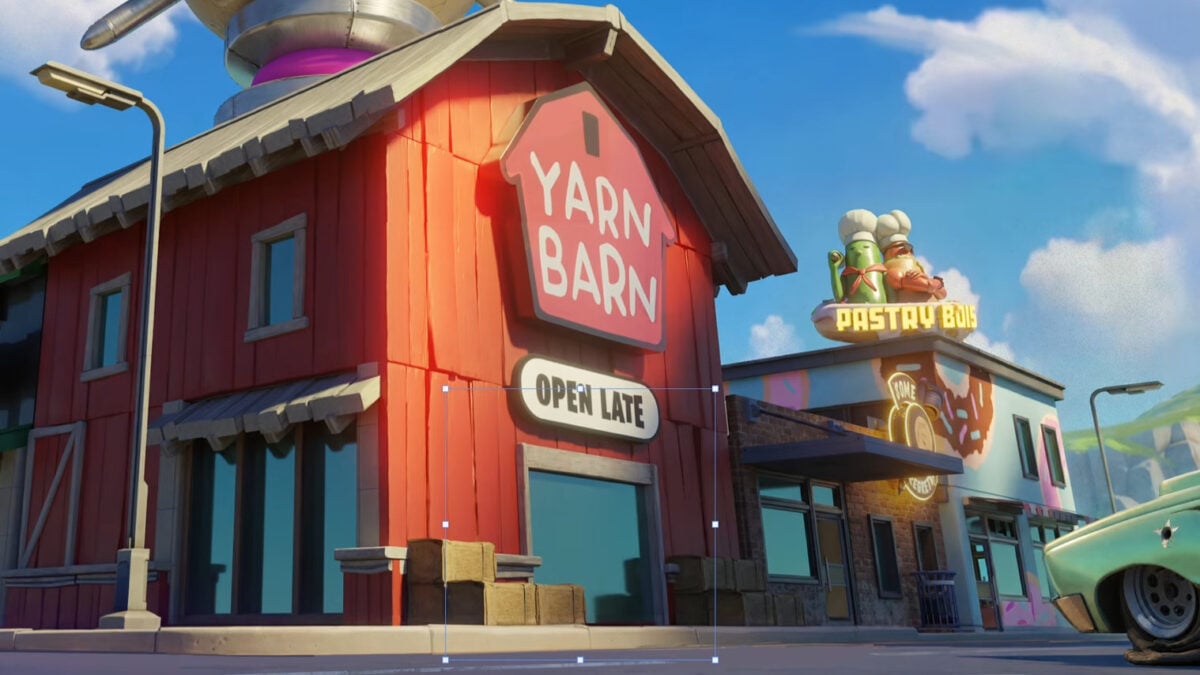
Epic Games Is Using Generative AI In Fortnite To Make Mistakes – Kotaku
Epic Games has integrated generative AI into the development of Fortnite to produce intentional “mistakes” and unexpected visual variations. According to reports from Kotaku and other industry outlets, the company uses these AI-generated anomalies to inspire human artists and prevent the sterile aesthetic often associated with fully automated AI content.
Why is Epic Games using generative AI to create “mistakes” in Fortnite?
Epic Games is utilizing generative AI not as a final production tool, but as a catalyst for human creativity. According to Kotaku, the company leverages the inherent unpredictability of AI—often viewed as a flaw or a “hallucination”—to generate visual concepts that a human designer might not instinctively conceive. By leaning into these errors, Epic’s artists can find unexpected directions for character designs and environment layouts.
This approach addresses a common criticism of AI-generated art: the tendency for the output to feel generic or “too perfect” in a way that lacks soul. By treating AI output as a series of rough, often flawed suggestions, Epic creates a feedback loop where the AI provides the “mistake,” and the human artist provides the intentionality and polish. This methodology transforms the AI from a replacement for the artist into a digital brainstorming partner.
The core objectives of this strategy include:
- Breaking Creative Blocks: Using AI to generate hundreds of rapid iterations to jumpstart the conceptual phase.
- Introducing Randomness: Incorporating visual elements that defy standard design conventions.
- Accelerating Iteration: Reducing the time spent on early-stage sketching by using AI to visualize broad ideas quickly.
What specific parts of Fortnite are being developed with AI tools?
The application of generative AI at Epic Games spans several critical areas of production. According to reports from IGN and FRVR, the technology is primarily embedded in the creation of concept art, character skins, and environmental assets.
Concept Art and Ideation
The earliest stages of any Fortnite update involve concept art. Epic Games uses generative AI to explore themes and silhouettes before a human artist ever touches a digital canvas. This allows the team to test whether a specific aesthetic—such as a “cyberpunk jungle” or “steampunk underwater city”—works visually before committing hundreds of man-hours to detailed painting.
Character Skins and Cosmetics
Fortnite’s economy relies heavily on the constant release of new skins. As confirmed by Creative Bloq, AI tools are now part of the pipeline for designing these cosmetics. The AI helps in suggesting color palettes and accessory combinations. However, the final 3D models and textures are refined by human artists to ensure they meet the game’s specific technical requirements and visual style.
Environment and World Building
Creating the massive, evolving map of Fortnite requires an enormous amount of environmental asset work. AI is used to help generate variations of rocks, trees, and architectural ruins. By generating a wide array of “mistaken” or varied assets, the world feels less repetitive, as artists can pick and choose the most interesting anomalies to place in the game world.
The integration of AI in Fortnite represents a shift from “automation” to “augmentation,” where the machine handles the breadth of possibility and the human handles the depth of quality.
How does the AI-to-human workflow actually function at Epic?
The process is not a “one-click” solution. Instead, Epic employs a multi-stage pipeline that ensures human oversight remains the primary driver of quality. Based on the details provided by Kotaku and The Verge, the workflow generally follows this trajectory:

- The Prompt Phase: Artists input specific parameters into generative AI tools to create a wide range of initial images.
- The Curation Phase: Humans sift through the AI’s output. They specifically look for “happy accidents”—visual glitches or strange compositions that spark a new idea.
- The Refinement Phase: A human artist takes the AI-generated “mistake” and redraws it, correcting the anatomy, adjusting the lighting, and ensuring it fits the Fortnite art bible.
- The Production Phase: The refined concept is passed to 3D modelers and animators who build the final asset for the game engine.
This structure ensures that no AI-generated image is dropped directly into the game. The “mistake” is merely the seed; the final product is a human-crafted asset.
Is Epic Games being “too honest” about its AI usage?
While many tech companies quietly integrate AI to cut costs, Epic Games has been relatively transparent about its adoption. This openness has sparked a debate within the industry. The Verge raised the question of whether Epic is being “too honest,” suggesting that such transparency could invite scrutiny from artists’ rights groups or lead to player backlash.
The tension arises from the broader industry conflict regarding AI training data. Many artists argue that generative AI models are trained on copyrighted work without consent. By openly admitting to using these tools, Epic positions itself at the center of this ethical storm. However, some analysts suggest that by framing AI as a tool for “making mistakes” and “inspiring humans,” Epic is attempting to preemptively defend itself against claims that it is replacing human labor.
To understand the different perspectives on this news, consider how various outlets have framed the story:
| Source | Primary Focus | Tone/Perspective |
|---|---|---|
| Kotaku | The “Mistakes” Philosophy | Analytical; focuses on the creative process and “happy accidents.” |
| The Verge | Corporate Transparency | Skeptical; questions the strategic intent behind Epic’s honesty. |
| IGN / FRVR | Technical Implementation | Informational; focuses on what assets (skins, maps) are being made. |
| Creative Bloq | Artist Impact | Industry-centric; focuses on the tools used by the creators. |
What are the broader implications for the gaming industry?
Epic Games’ approach provides a blueprint for how other AAA studios might integrate generative AI without completely alienating their creative staff. The “mistake-driven” model suggests a future where the role of the concept artist shifts from “creator of the first draft” to “curator of AI possibilities.”
There are several long-term consequences to consider:
- Shift in Skillsets: Future game artists may need to be as proficient in “prompt engineering” and curation as they are in digital painting.
- Production Speed: The time from initial concept to final asset could drop significantly, allowing for even faster update cycles in live-service games.
- Legal Precedents: As Epic continues to be transparent, the legal community may look to their workflow to determine what constitutes “fair use” or “transformative work” when AI is used in the early stages of design.
This development mirrors previous shifts in the industry, such as the move from hand-drawn 2D sprites to 3D modeling. While the tools changed, the need for human artistic direction remained. Epic is betting that generative AI will follow the same pattern—acting as a powerful brush rather than the painter.
Common misconceptions about AI in Fortnite
Because the topic of AI is often polarized, several misconceptions have emerged regarding Epic’s specific usage. It is important to distinguish between what is happening and what is being speculated.
Misconception 1: AI is designing skins automatically.
Contrary to some interpretations, AI does not “design” a skin in the sense of creating a finished, usable file. It generates an image that serves as a reference. Human artists still perform the labor of modeling, rigging, and texturing the asset.

Misconception 2: Epic is using AI to replace its art team.
The current reporting suggests that AI is being used to enhance the existing team’s capabilities. The “mistakes” philosophy specifically requires human intervention to identify and refine the AI’s output, meaning the human element is more critical than ever in the curation phase.
Misconception 3: AI is generating the game’s code.
While AI is used in many areas of software development, the current news regarding “mistakes” refers specifically to the visual and conceptual art pipeline, not the underlying C++ code of the Unreal Engine or Fortnite’s game logic.
For those interested in how this fits into the larger technical ecosystem, a related explainer on generative AI in game engines may provide further context on the difference between generative art and procedural generation.
Frequently Asked Questions
Is Epic Games replacing Fortnite artists with AI?
According to reports from Kotaku and The Verge, Epic is using AI as a tool for ideation and “creative friction” rather than a replacement for human artists. The AI provides raw concepts and “mistakes,” which human artists then refine into final assets.
What does “using AI to make mistakes” actually mean?
It means that Epic artists intentionally look for the weird, unexpected, or “wrong” outputs that generative AI produces. These anomalies often spark creative ideas that a human might not have thought of, which the artists then intentionally incorporate into the game’s design.
Which parts of Fortnite are affected by this AI integration?
The AI tools are primarily used for concept art, the design of character skins, and the creation of environmental assets. These are used in the early stages of the design process to explore visual possibilities.
Why is this controversial?
The controversy stems from the broader debate over how AI models are trained and whether they infringe on the copyrights of human artists. Epic’s transparency about using these tools has brought these ethical questions to the forefront of the gaming community.
Will AI-generated skins look “weird” in the game?
No. Because human artists refine every AI-generated concept, the final assets maintain the polished, consistent look of Fortnite. The AI’s “weirdness” happens during the brainstorming phase, not in the final product delivered to players.
As Epic continues to refine this workflow, the industry will be watching to see if this “curation-first” model becomes the standard for AAA development or if the legal and ethical pressures surrounding generative AI force a change in direction. The tension between efficiency and artistic integrity remains the central conflict in the adoption of these tools.
