Thieves steal four Renoir paintings from French Riviera museum
Two intruders used electric saws to steal works valued at €9m, including pieces on loan from the Musée d’Orsay, before fleeing the scene as police arrived.
Thieves steal four Renoir paintings from French Riviera museum
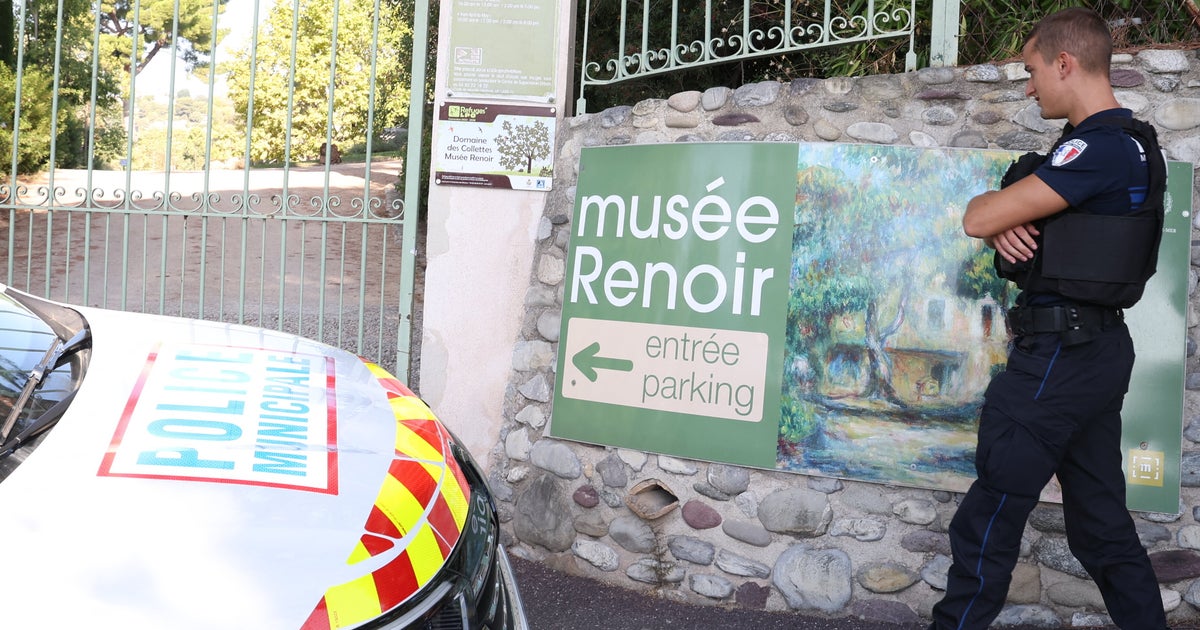
CAGNES-SUR-MER — Two thieves entered the Renoir Museum equipped with electric knives and hacksaws to slice through security fences and frame fixtures, only to flee in such panic that they abandoned two multi-million-euro paintings in the dirt.
The break-in occurred at 05:48 local time on Tuesday, September 8, 2026. Police arrived five minutes after the alarm was triggered, limiting the scale of the theft. While the thieves successfully removed four of the 12 Renoir paintings on display, they dropped two in the museum gardens as they ran from the sound of sirens.
The Heist: Precision Entry, Hasty Exit
The perpetrators approached the estate via Allee Victor Vasarely, a quiet street removed from the main road. They gained entry by cutting through a wired fence on the opposite side of the grounds from the main entrance. Once inside, the thieves used an electric saw to cut through the fixtures securing the frames of the artwork.
Despite the Mayor of Cagnes-sur-Mer, Bryan Masson, describing the pair as clearly organised, equipped and well-informed, their exit was chaotic. In their haste to escape the arriving police, the thieves abandoned two of the four paintings and left behind two zip-up bags.
Status
Painting Title
Outcome
Missing
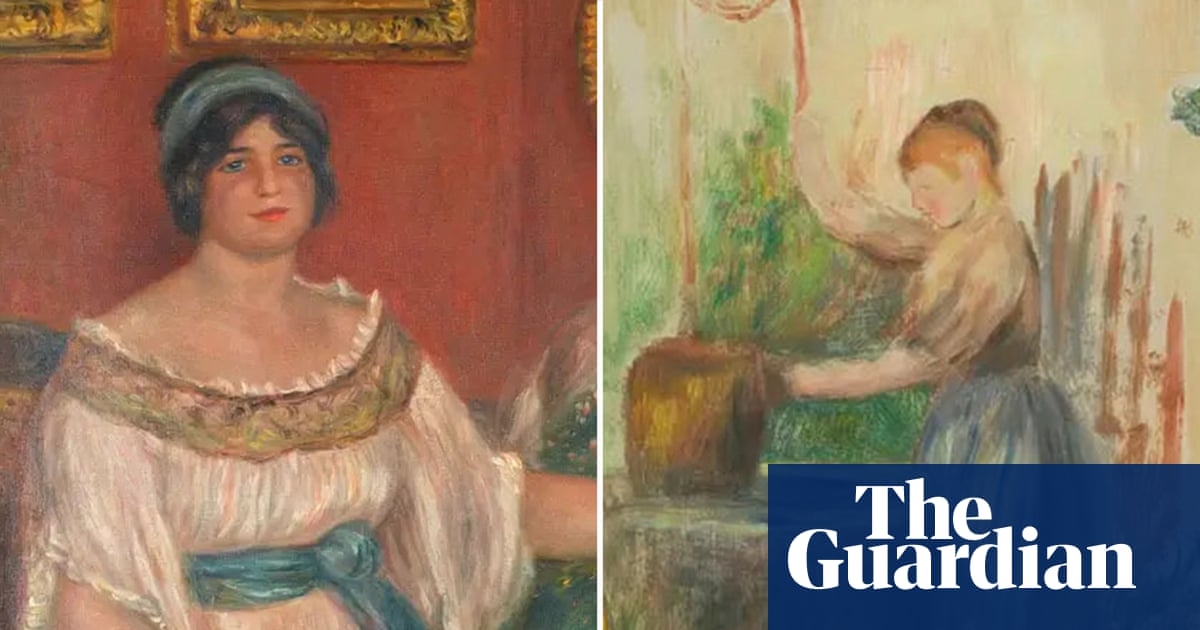
Madame Colonna Romano (1910)
Stolen (on loan from Musée d’Orsay)
Missing
Jeune femme au puits (1886)
Stolen (on loan from Musée d’Orsay)
Recovered
Portrait de Madame Stephen Pichon (1895)
Abandoned in gardens
Recovered
Coco Lisant (1905)
Abandoned in gardens
Amateurs vs. Organised Crime
The nature of the theft has created a divide in perspective between local officials and art recovery experts. Mayor Masson frames the event as an attack by increasingly organised and determined criminals wearing helmets, gloves, and combat gear.
Conversely, Christopher A. Marinello, CEO of Art Recovery International, believes the thieves were likely not professionals, citing the abandonment of two paintings as evidence of panic. Marinello notes that the high level of press coverage makes these specific works nearly impossible to sell on the open market, as no one will touch these Renoirs except potentially other criminals.
Art detective Arthur Brand adds that while some stolen works are used as collateral in the criminal underworld — citing a 2016 case where a Mafia leader used stolen Van Goghs to negotiate a lower sentence, modern thieves have shifted toward precious metals and gemstones. According to a report from Europol, these materials are preferred because they can be melted down or removed from jewelry, leaving no trace for law enforcement.
Europe's 'Museums Under Siege'
The theft at the Renoir Museum is part of a broader wave of cultural thefts across Europe. This pattern followed a high-profile raid at the Louvre in Paris last October, where thieves used a vehicle-mounted mechanical lift to steal crown jewelry worth €88m.
"We will see more of this because if you are able to hit the Louvre, thieves all around the world are watching that... and then they think, don’t we have a local museum with gold and silver?"
Related YouTube video
Thieves steal Renoir paintings worth millions from French museumSource link
Image via bbc.co.ukImage via kcci.comImage via theguardian.com
Arthur Brand, art detective, via BBC
This "copycat" effect has manifested in various raids:
Italy: In March, four masked men stole Renoir's Les Poissons (valued at approximately €3m) and works by Cézanne and Matisse from a museum near Parma; all were recovered last month.
Sicily: Four works by Antonello da Messina were recently stolen from a museum in Messina.
Other targets: Recent thefts include Bronze Age artefacts in Spain and a diamond necklace in Vienna.
Europol reports that the profile of these offenders is changing. Stealthy specialists are being replaced by individuals with histories in other types of crime who use more violent methods, including the use of sledgehammers, axes, and explosives.
Frequently Asked Questions
Will the missing paintings be recovered?
While art detective Arthur Brand suggests they will likely be recovered because they are too famous to sell, Art Recovery International notes that only 5-10% of stolen art is ever typically recovered.
Why were small museums targeted?
James Ratcliffe of the Art Loss Register states that a lack of funding for security creates a perception that these institutions are "relatively easy targets," encouraging criminals to strike.
The Renoir Museum, located in the artist's former home in Cagnes-sur-Mer, remains closed until further notice. The total value of the four paintings taken is estimated by the mayor's office at €9m.
The incident has turned into a political appeal for the municipality. Mayor Masson has demanded that the French government provide financial support to local areas to protect remaining collections, arguing that local authorities cannot bear the growing costs of security alone.
Tactical Execution and Security Gaps
The theft was timed to coincide with a change-over in security personnel, according to the regional newspaper Nice-Matin. After slicing through the wired fence, the pair entered the building via the ground floor. Mayor Bryan Masson informed the broadcaster Ici Azur that the perpetrators used their tools to cut the clips securing the artwork frames, a process that took less than five minutes before the alarm triggered at 05:48 local time.
The haste of the getaway was prompted by the sound of police sirens, which Masson said forced the burglars to flee through the gardens, where they abandoned two of the portraits. Investigators later discovered two zip-up bags at the scene that may belong to the suspects.
The museum is set on an estate of citrus and ancient olive trees on a hill overlooking the Mediterranean. While the facility houses the artist's final residence, the two missing works, Madame Colonna Romano and Jeune femme au puits, were not part of the permanent local collection but were on loan from the Musée d’Orsay in Paris.
The recovery of these works remains the primary objective for the National Police, Municipal Police, and criminal investigation services. According to the mayor's office, the next step is the continued mobilization of all law-enforcement agencies to trace the missing paintings and apprehend the individuals responsible for the break-in.
Editorial Standards & Verification
Archypedia is dedicated to independent, evidence-backed reporting. This briefing was synthesized from primary source reporting, corroborated across independent newsrooms, and verified against our Editorial Standards.
Iris Kane is Archypedia’s Entertainment editorial desk profile and collective pen name, used for film, music, streaming, games and media-business coverage.