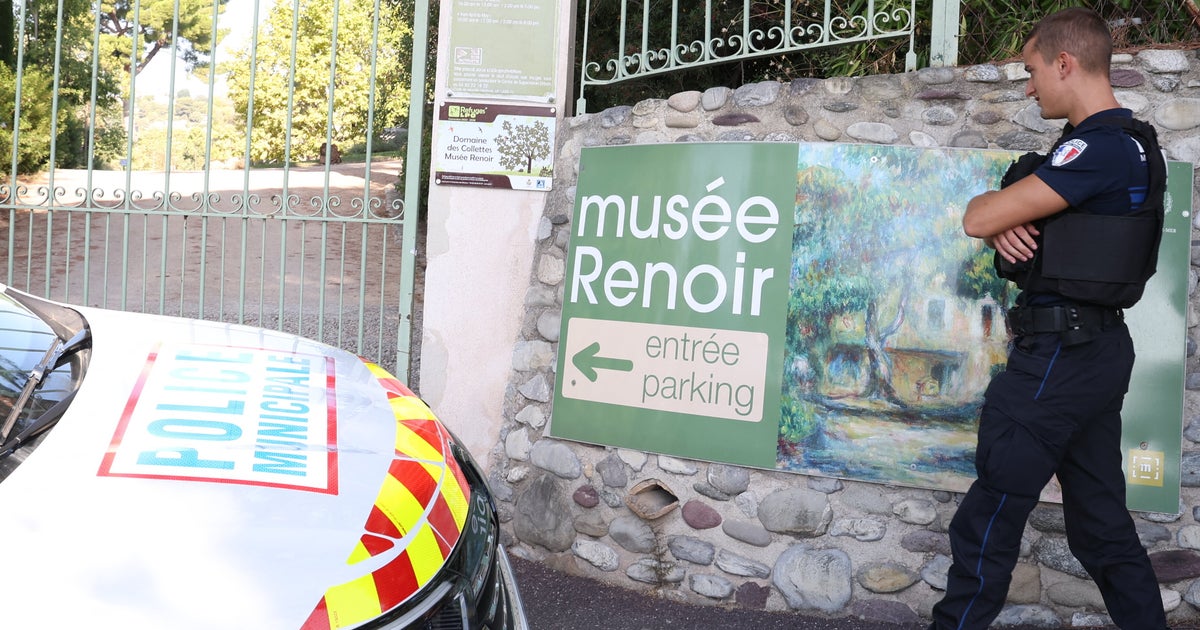
Two Renoir paintings remain missing after French Riviera museum heist
Burglars used electric saws to breach the museum in under three minutes, fleeing with two masterpieces on loan from the Musée d’Orsay while abandoning others in the garden.

The Mechanics of a Three-Minute Heist
The operation was characterized by a high degree of preparation. According to Cagnes-sur-Mer Mayor Bryan Masson, the perpetrators werewell-equippedand
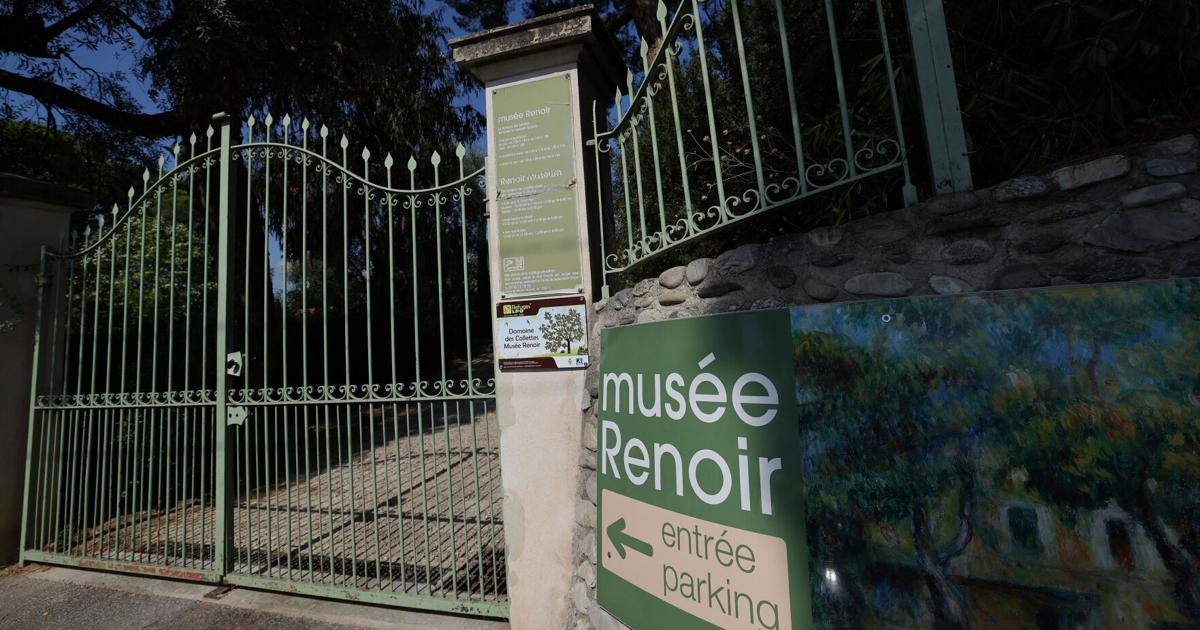
well-informed. The thieves entered via the garden, using either an electric knife or a metal saw to breach the perimeter fence before climbing through a ground-floor window. The timeline of the event highlights a narrow window of opportunity:
- 05:48 a.m.: Museum alarm system is triggered.
- 05:53 a.m.: Municipal police arrive on the scene.
forced the burglars to flee in haste, which limited the scale of the theft. The museum held a total of 12 to 13 original paintings by Renoir, but the thieves only secured four. Two were dropped in the museum gardens as the suspects fled.
Missing Works and Troubled Provenance
The two paintings that remain missing are both owned by the Musée d’Orsay and were on loan to the provincial site. The financial disparity between the two is stark; Deputy Mayor Caroline d’Amat told CNN thatMadame Colonna Romanois valued at more than $2.3 million, while
Young Woman at the Wellis worth approximately $230,000. The missing
Young Woman at the Wellcarries a history of spoliation. According to the French Culture Ministry database of spoliated art, the painting is believed to have been looted by Nazis during World War II. It was eventually recovered in Bavaria in 1949 and returned to France. The recovered work
Coco Readingsimilarly shares a wartime history. A German officer in Paris gave the piece to a soldier at the end of the war, who then passed it to a German priest. The priest handed the painting to a Berlin museum in 1972, and the German government finally returned it to France in 1994.
| Painting Title | Status | Estimated Value/Notes | Provenance Note |
|---|---|---|---|
| Portrait of Madame Colonna Romano | Missing | >$2.3 Million | Musée d’Orsay loan |
| Young Woman at the Well | Missing | ~$230,000 | Nazi-looted; recovered 1949 |
| Portrait of Madame Pichon | Recovered | Not specified | Found in garden |
| Coco Reading | Recovered | Not specified | Returned by Germany 1994 |
The Liquidity Predicament
Despite the multimillion-dollar estimates, the thieves have entered a strategic dead end. James Ratcliffe of the Art Loss Register explained to the AP that unlike gold or jewels, such as the crown jewels stolen from the Louvre last year, which can be melted or recut, world-famous paintings cannot be easily liquidated. Ratcliffe noted that while the works may have seven-figure values, finding a buyer willing to pay that price isalmost impossible. He suggested that unless the thieves had a pre-arranged buyer, they cannot simply approach an art dealer with stolen Renoirs. This paradox suggests the thieves may have been
ad hoc opportunistsrather than specialists. This aligns with a report from Europol, which stated last month that specialist gangs in Europe are being replaced by opportunists recruited via social media.
Systemic Vulnerabilities in French Heritage
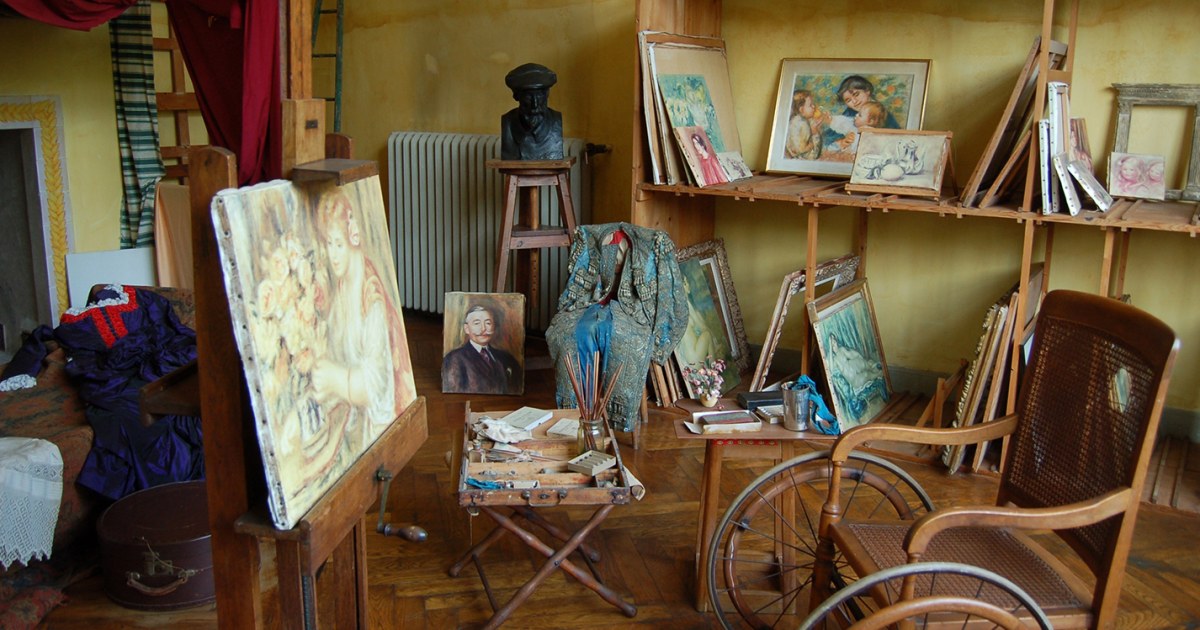
The heist has revived a debate over the funding and security of provincial museums. While national galleries possess vast resources, smaller sites like the Renoir Museum, housed in the artist's final home where he lived until 1919, are more exposed. The incident is the latest in a string of brazen thefts across France and Europe:- The Louvre (last year): Thieves stole crown jewels valued at 88 million euros ($102.3 million).
- Lalique Museum (this summer): Artwork and jewelry valued at $5 million were taken.
- Italian Museum (this spring): Works by Renoir, Matisse, and Cézanne valued at $10 million were stolen.
Frequently Asked Questions
Who owns the stolen paintings?
While they were on display at the Renoir Museum in Cagnes-sur-Mer, the two missing works belong to the Musée d’Orsay in Paris.
Related YouTube video

How did the thieves get into the museum?
They sliced through a garden fence using an electric knife or saw and entered the building through a ground-floor window.
Why are the paintings hard to sell?
Because they are world-famous masterpieces, they cannot be hidden or altered like precious metals, making them nearly impossible to move through legitimate art dealers.
new form of organized crime targeting works of art.
Archypedia is dedicated to independent, evidence-backed reporting. This briefing was synthesized from primary source reporting, corroborated across independent newsrooms, and verified against our Editorial Standards.
Transparency record
Evidence behind this report
This report synthesizes 6 distinct sources. Open the source ledger below to compare the underlying coverage.
Prepared under the Archypedia Editorial Policy by the Iris Kane editorial desk profile. AI-assisted tools may support drafting and verification; public accountability remains with Archypedia. Report an error.