A man accused of orchestrating Tupac Shakur’s 1996 killing is on trial
Prosecutors argue the former gang leader acted as the shot caller who coordinated the plot and provided the weapon for the fatal drive-by shooting.
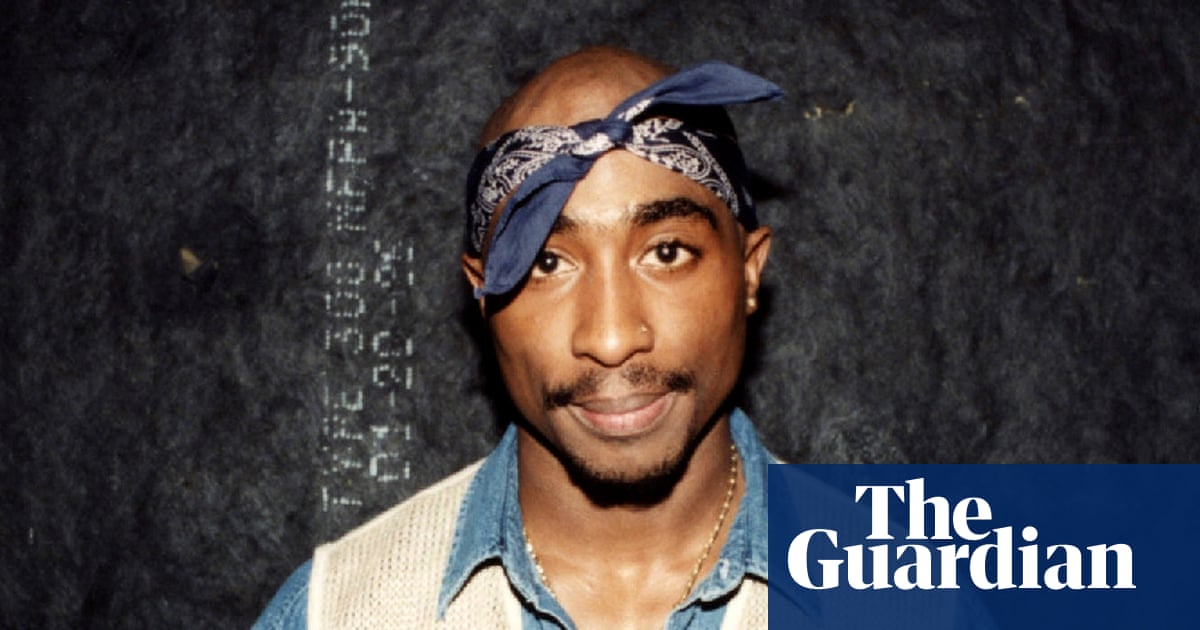
A courtroom paradox frames the proceedings inside Clark County District Court in Las Vegas, where a high-stakes murder trial is underway over a celebrity assassination that took place on 7 September 1996. The state openly admits it is not trying to prove who pulled the trigger.
At the center of the docket is Duane “Keffe D” Davis, a 63-year-old former leader of the South Side Compton Crips. He faces a single charge of murder with a deadly weapon with the intent to promote, further, or assist a criminal gang. If convicted, Davis faces life in prison without the possibility of parole.
Related YouTube video

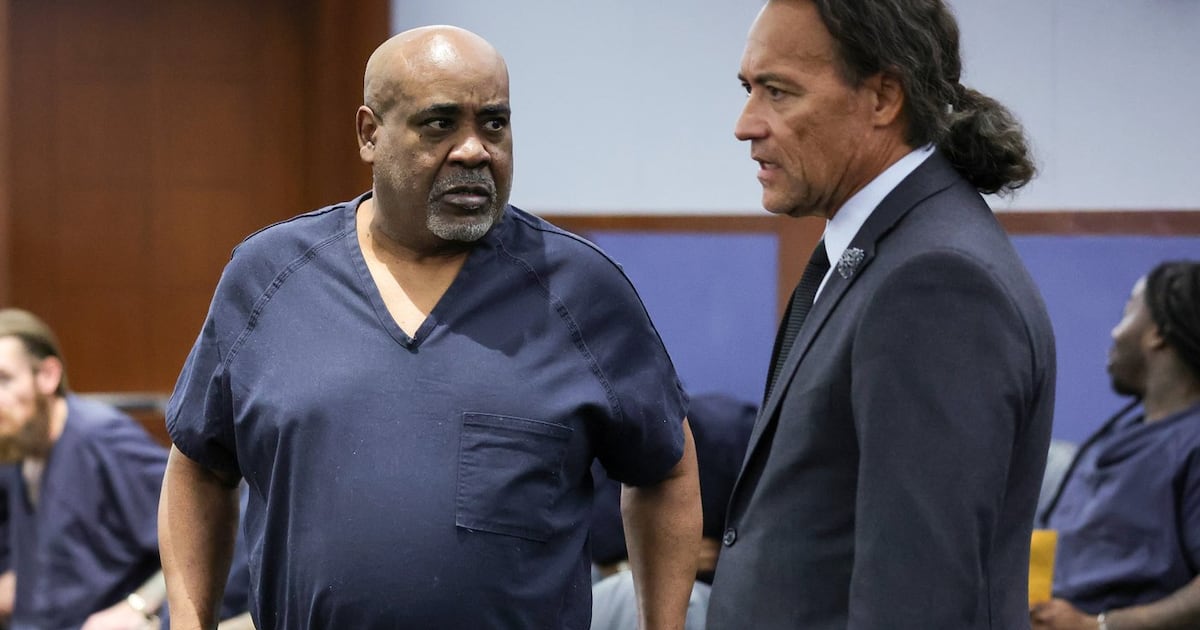

Under Nevada law, prosecutors do not need to establish that Davis fired the fatal shots to secure a conviction. The state’s core legal theory is that Davis acted as the shot caller
, coordinating the rushed plot and providing the gun.
The violence traceably stems from a bitter friction between rival Los Angeles-area street factions tied to dueling record labels. According to grand jury testimony and The Guardian, the early evening events on 7 September 1996, at the MGM Grand casino — following a Mike Tyson boxing match — involved Marion “Suge” Knight and Tupac Shakur confronting Davis’s nephew, Orlando “Baby Lane” Anderson, over an alleged assault on a Death Row Records employee. Prosecutors assert that Death Row Records was aligned with Mob Piru, a faction within the wider Bloods alliance, while Bad Boy Records had used the South Side Compton Crips for security.
Hours after the casino altercation, a white Cadillac carrying Davis, Anderson, Deandrae "Freaky" Smith, and Terry "Bubble Up" Brown pulled up beside the black BMW carrying Shakur and Knight on their way to Club 662. Shots erupted from the Cadillac, striking Shakur four times. He died six days later at the age of 25.
Following years of stagnant police work, investigators seized upon public statements and a 2019 memoir co-authored by Davis titled Compton Street Legends, in which he detailed obtaining a firearm from an associate and tossing it into the back seat of a white Cadillac. Those admissions, alongside previous remarks made to reporters and police, led to his arrest in September 2023. Defence attorneys fought unsuccessfully to suppress the book and his 2008 police interview records, setting up a clash over whether Davis's published confessions reflect reality or commercial embellishment.
The mechanics of the courtroom battle underscore the profound public interest surrounding the case. Because public seating inside Judge Carli Kierny's courtroom is severely restricted, officials implemented a daily lottery for seats, supplemented by a live feed broadcast to a second-floor viewing room. The trial is scheduled to span roughly a month to six weeks.
The prosecution has assembled an expansive witness roster comprising between 35 and 45 individuals, mixing cultural figures, former investigators, and eyewitnesses. Among those expected to appear are former Las Vegas Mayor Oscar Goodman, members of Shakur's family, and Leonard Jefferson, the California resident who snapped what became the final known photograph of Shakur from a neighboring vehicle. Grand jury testimonies from figures such as Denvonta Lee outline the internal gang mechanics of that night, with Lee testifying that because Anderson lacked a clear shot, Smith took the gun and fired. The state’s witness list also features Malcolm Greenidge, a friend of Shakur travelling in his entourage, and Reggie Wright, who managed security for Death Row Records.
By contrast, the defence team is expected to call a minimal number of witnesses, prominently featuring an expert in false confessions and coercive interrogation techniques. Davis has since backtracked from his published statements, asserting in a prison interview with ABC News that he is innocent and that his co-author inflated details in the book to drive sales.
Wildcards linger around potential out-of-state or prison testimonies. Speculation has surrounded whether incarcerated former music mogul Marion “Suge” Knight, currently serving a 28-year prison sentence in California for a 2015 manslaughter conviction, might take the stand as the only other living eyewitness from either vehicle. While Knight previously stated he would not testify, Davis's defence attorney, Michael Sanft, told The Associated Press (as reported by Cp24) that Knight would be a helpful witness for the defence if he did appear.
Similarly, fans and media have scrutinized unverified allegations from Davis's memoir claiming that imprisoned Bad Boy Records founder Sean “Diddy” Combs offered a $1 million bounty to kill Shakur and Knight. According to The Guardian, a recent documentary series also features Davis claiming in a police interview that Combs offered this sum. Combs has consistently denied any involvement, his name does not appear on the prosecution's official witness list, and a spokesperson did not return inquiries regarding potential testimony. Combs is currently serving a four-year prison sentence in New Jersey following a conviction on prostitution-related charges.
No matter the outcome in court, full closure remains elusive for those closest to the musician. In May, Shakur's stepbrother Maurice Shakur filed a civil wrongful death lawsuit, emphasizing that direct accountability for pulling the trigger has gone unpunished for three decades.
Proceedings in Judge Carli Kierny's courtroom remain anchored in the active jury selection process, which is expected to take a few days.
How significant is this development?
Contribute your assessment to the aggregated reader intelligence ledger.
Archypedia is dedicated to independent, evidence-backed reporting. This briefing was synthesized from primary source reporting, corroborated across independent newsrooms, and verified against our Editorial Standards.
Transparency record
Evidence behind this report
This report synthesizes 6 distinct sources. Open the source ledger below to compare the underlying coverage.
Prepared under the Archypedia Editorial Policy by the Iris Kane editorial desk profile. AI-assisted tools may support drafting and verification; public accountability remains with Archypedia. Report an error.