Metal Band Demon Hunter Sues Netflix Over KPop Demon Hunters Trademark
Seattle-based metal band Demon Hunter has filed a federal trademark lawsuit against Netflix and AEG Presents, arguing that the streaming giant's multi-billion-dollar animated franchise is drowning out their quarter-century brand identity through reverse confusion.
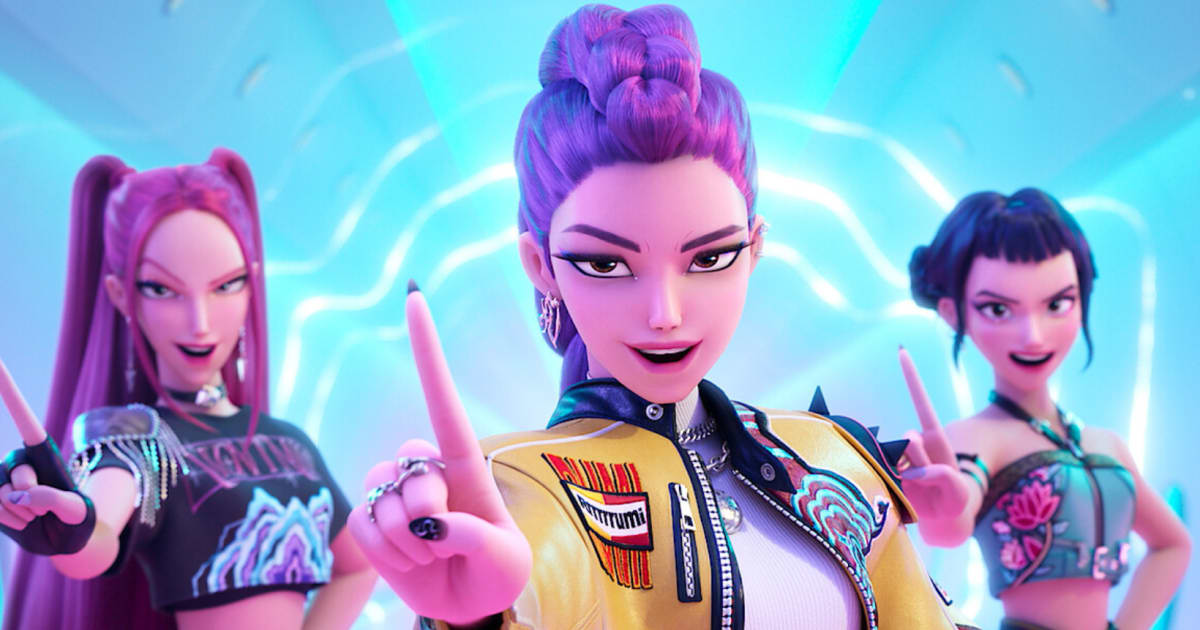
A quarter-century-old Christian metal band with a dedicated heavy-music following has taken aim at one of the largest entertainment operations in the world, initiating a federal trademark lawsuit that threatens to disrupt a multi-billion-dollar global franchise. Seattle-based Demon Hunter, operating through its corporate entity Hyde Lane, filed suit in the U.S. District Court for the Central District of California, naming Netflix, Netflix Studios, and concert promoter AEG Presents as defendants. The legal action targets the unprecedented expansion of the animated musical phenomenon KPop Demon Hunters, which the band argues has ballooned into an overlapping commercial juggernaut that is actively swallowing their quarter-century brand identity.
The core of the legal complaint rests on the doctrine of reverse confusion, a specialized area of trademark law distinct from traditional counterfeiting or free-riding claims. While ordinary infringement typically involves a small player attempting to siphon prestige from an established giant, reverse confusion occurs when a massive, heavily resourced entity floods the marketplace with a similarly named brand, effectively drowning out the senior user and forcing them to surrender control of their own commercial identity. According to court documents filed by Hyde Lane's legal representation, the band registered the "Demon Hunter" trademark in 2014 for live musical performances and added further protections in 2022 covering recorded music and merchandise, long before the fictional Huntr/X girl-group universe was conceived.
Related video and Instagram post


By contrast, the cinematic property has operated at a vastly different scale since its debut. Released in June 2025, the urban fantasy film amassed over 500 million views to become the most-watched original title in streaming history, outperforming major platform hits while sweeping awards season with Golden Globes and Academy Awards victories for its music and animated features. That screen success quickly generated a massive merchandising footprint alongside ten trademark applications filed by Netflix under the U.S. Patent and Trademark Office, culminating in plans for a worldwide concert tour developed in partnership with AEG Presents. The resulting marketplace friction has created a severe imbalance between the band's roughly 348,000 to 350,000 monthly Spotify listeners and the massive audience commanded by the film's cast.
The lawsuit details concrete instances of marketplace confusion to substantiate claims of an existential threat. Among the documented incidents is an email from a consumer who spent $500 on tickets for a Demon Hunter concert in Albany, New York, under the mistaken belief that they were purchasing child-friendly entertainment for young daughters, subsequently pleading for a refund so they could afford tickets to the correct show. Additional evidence includes a television producer from Inside Edition who contacted the band's management to request an interview with a songwriter from the animated film, alongside numerous social media postings incorrectly tagging the heavy metal group in discussions regarding the streaming movie.
Hyde Lane is asking the court to issue an injunction preventing Netflix and its partners from using the disputed name for recorded music, live shows, and merchandise, while also pursuing a jury trial, restitution, treble damages, and the surrender of profits associated with the branding. While the lawsuit does not attempt to bar Netflix from utilizing the title for the film itself, restricting its application in audio recordings and live touring could significantly impact upcoming franchise plans, including a sequel currently slated to enter production toward a projected release around 2029.
Legal analysts suggest the plaintiffs face substantial hurdles as the litigation proceeds, noting that trademark disputes involving creative works frequently encounter strong First Amendment protections that afford creators wide latitude. As the case sits at its earliest stages in federal court, neither Netflix nor AEG Presents has publicly responded to the allegations beyond a formal vow to mount a vigorous defense, leaving the commercial trajectory of the franchise's merchandise and live touring schedule under a cloud of legal uncertainty.
Chart-Topping Soundtracks and Legal Hurdles
The commercial scale of the disputed properties reveals a massive disparity in chart performance and audience reach. While the Seattle metal band has placed eight different records within the top three of the Top Christian Albums chart and reached No. 16 on the Billboard 200 with their 2014 album Extremist, according to Billboard, the animated franchise achieved historic chart dominance. Billboard reported that the film's soundtrack spent two weeks atop the Billboard 200, driven by the focus track "Golden," which held the top spot on the Hot 100 for eight weeks. Furthermore, the soundtrack placed three additional tracks—"Your Idol," "Soda Pop," and "How It's Done"—in the top 10, a milestone making it the first film since 1995 to accomplish the feat.
According to statements reported by Billboard, Netflix dismissed the lawsuit's allegations as completely without merit and stated that the company looks forward to vigorously defending the matter.
How significant is this development?
Contribute your assessment to the aggregated reader intelligence ledger.
Archypedia is dedicated to independent, evidence-backed reporting. This briefing was synthesized from primary source reporting, corroborated across independent newsrooms, and verified against our Editorial Standards.
Transparency record
Evidence behind this report
This report synthesizes 7 distinct sources. Open the source ledger below to compare the underlying coverage.
Prepared under the Archypedia Editorial Policy by the Iris Kane editorial desk profile. AI-assisted tools may support drafting and verification; public accountability remains with Archypedia. Report an error.