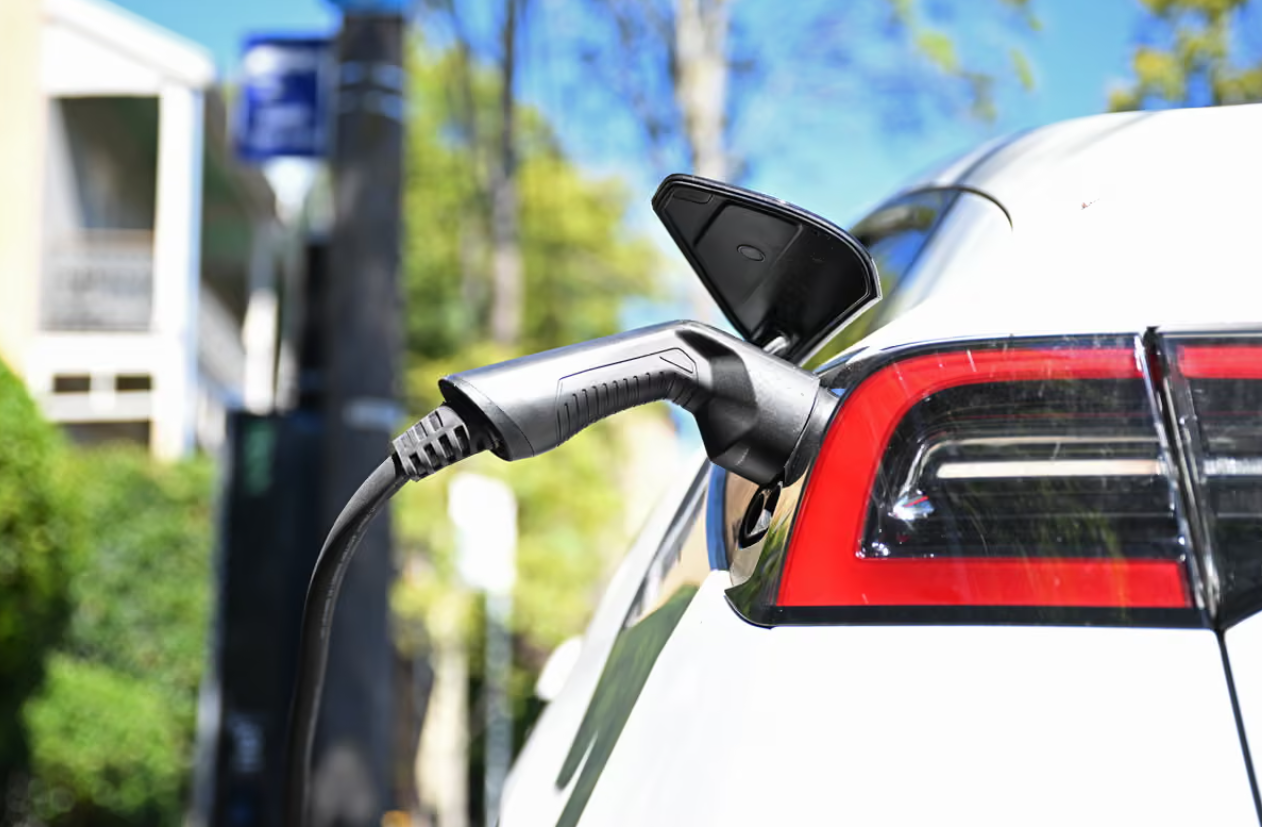
Europe’s electric vehicle market is accelerating faster than expected, with one in four new cars now electric—a milestone reached in just a few years and signaling a decisive shift in consumer preferences and automotive policy.
According to recent data, electric vehicles now account for 25% of all new passenger car registrations across Europe, up from less than 10% in 2020. The surge reflects both aggressive manufacturer incentives and a growing public appetite for cleaner alternatives, though challenges remain in charging infrastructure and battery supply chains.
Why Europe Leads the EV Transition—and What’s Next
The 25% adoption rate, reported by industry analysts tracking European automotive markets, marks the first time electric vehicles have surpassed the 1-in-4 threshold in any major region. Germany, France, and the Netherlands lead the charge, with electric models comprising nearly 40% of new registrations in some months. The shift aligns with the European Union’s 2035 ban on new internal combustion engine vehicles, though automakers and policymakers now face pressure to ensure the transition doesn’t leave low-income drivers stranded.
Key drivers behind the growth include:
- Manufacturer push: Tesla, Volkswagen, and Stellantis have slashed prices on models like the VW ID.3 and Renault Zoe to compete with gasoline cars, while legacy automakers ramp up production of affordable EVs.
- Government incentives: Subsidies in countries like Norway—where EVs have long dominated—now extend to broader markets, with some nations offering up to €10,000 in rebates for buyers.
- Consumer behavior: Younger buyers, particularly in urban areas, cite lower running costs and environmental concerns as primary motivators, though range anxiety persists in rural regions.
Charging Infrastructure: The Bottleneck Holding Back Faster Growth
While sales climb, Europe’s charging network remains fragmented. Public chargers have expanded by 40% over the past two years, but coverage lags in southern and eastern regions, where fast-charging stations are still scarce. Industry reports highlight that 60% of European drivers lack convenient access to high-speed chargers, a critical barrier for long-distance travel.

Automakers and energy firms are investing heavily in solutions: Ionity, a joint venture backed by BMW, Ford, and Volkswagen, plans to install 400 ultra-fast chargers by 2025, while Tesla’s Supercharger network continues to expand across the continent. However, regulatory hurdles—including grid capacity limits and local permitting delays—threaten to slow progress.
What This Means for Automakers—and the Climate
The data underscores a pivotal moment for automakers, who must now pivot from hybrid vehicles to fully electric platforms. Volkswagen, for example, has pledged to spend €82 billion by 2026 on EV development, while Ford aims to make half its European sales electric by 2030. Yet analysts warn that battery supply shortages—particularly for lithium and cobalt—could delay production timelines.
Environmentally, the shift is already paying off: Transport emissions in Europe fell by 5% last year, with EVs contributing nearly half that reduction. But critics argue the gains could be offset if electricity grids rely heavily on fossil fuels. The European Commission is set to propose stricter renewable energy mandates for charging stations by mid-2024 to address this.
A Look Ahead: Will 2025 Break the 50% Barrier?
Industry projections suggest Europe could hit 50% EV adoption by 2025, though the pace will depend on three factors:

- Battery costs: Prices have dropped 70% since 2010, but further reductions are needed to make EVs competitive in mid-market segments.
- Charging expansion: The EU’s Alternative Fuels Infrastructure Regulation aims to install 350,000 public chargers by 2025, but progress varies by country.
- Policy consistency: Some nations, including Poland and Hungary, have scaled back subsidies, raising concerns about uneven market support.
For now, Europe’s EV revolution is on track—but whether it sustains momentum will hinge on closing the infrastructure gap and ensuring affordability for all drivers.
