
El Niño Now 95% Likely: How a Warmer, Drier Winter Could Reshape New Zealand’s Climate
The meteorological community is sounding the alarm as the likelihood of an El Niño event surges to 95%, with New Zealand bracing for a season of uncharacteristically warm and arid conditions. This development, driven by complex interactions in the Pacific Ocean, could have far-reaching consequences for the country’s ecosystems, agriculture, and communities. As climate change continues to amplify weather extremes, understanding the science, impacts, and preparedness measures is critical for navigating the challenges ahead.
What Is El Niño and Why Is It Relevant Now?
El Niño is a climate phenomenon characterized by the abnormal warming of surface ocean temperatures in the central and eastern Pacific, particularly along the equator. This shift disrupts typical atmospheric circulation patterns, leading to altered weather systems across the globe. While El Niño events are part of a natural cycle, their frequency and intensity have been influenced by rising global temperatures, making them more unpredictable and severe.
Currently, oceanic and atmospheric indicators—such as sea surface temperatures, wind patterns, and pressure anomalies—signal a strong El Niño developing. According to meteorological models, the probability of this event persisting through the upcoming winter is now 95%, a stark increase from earlier projections. This high likelihood underscores the urgency for stakeholders to prepare for its cascading effects.
The Science Behind the Forecast
The formation of El Niño is closely tied to the Pacific Decadal Oscillation (PDO) and the Southern Oscillation Index (SOI). When the SOI dips into negative territory, it indicates weakened trade winds and warmer-than-average waters in the eastern Pacific. These conditions create a feedback loop that reinforces the warming trend, further destabilizing global weather patterns.
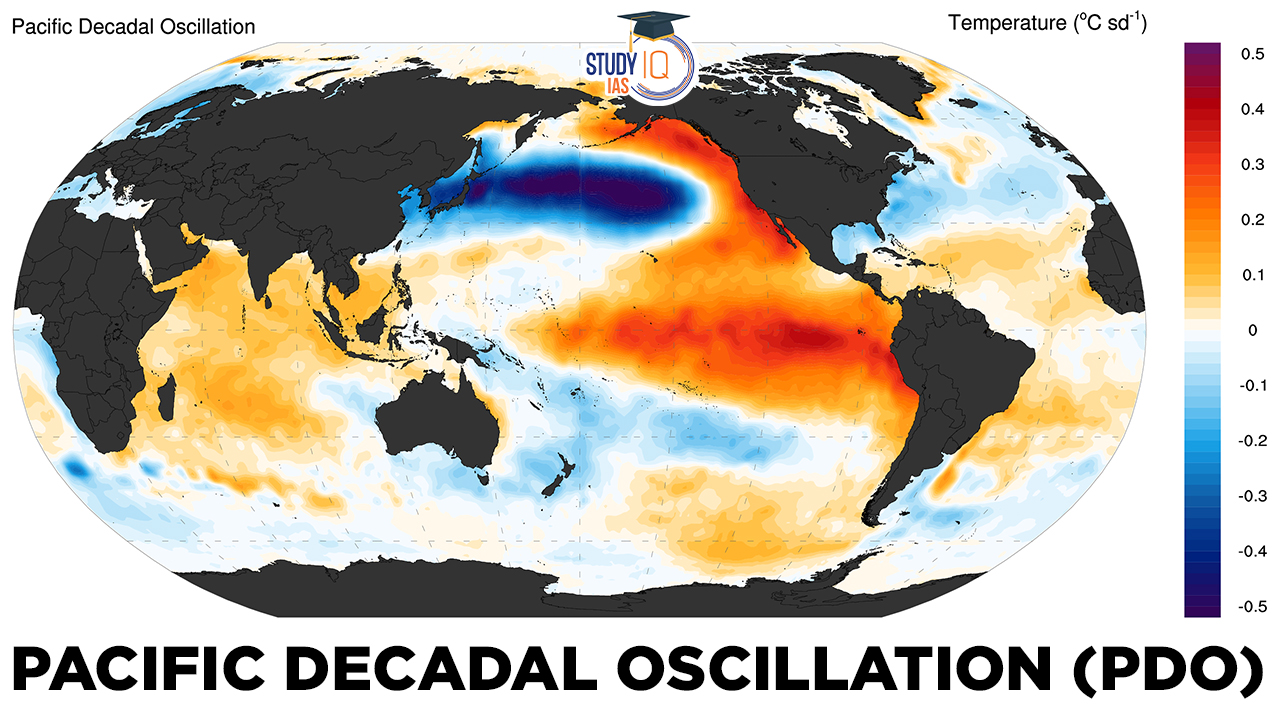
Recent data from the National Oceanic and Atmospheric Administration (NOAA) and the Australian Bureau of Meteorology reveal that sea surface temperatures in the Niño 3.4 region—a key area for monitoring El Niño—have exceeded the threshold for a strong event. The presence of a “foe” (a warm water anomaly) beneath the ocean’s surface suggests the phenomenon could intensify in the coming months.
How Will El Niño Affect New Zealand?
New Zealand’s unique geographical position makes it particularly vulnerable to El Niño’s impacts. Historically, these events have been associated with drier conditions in the east and warmer temperatures nationwide. However, the current scenario is compounded by the broader context of climate change, which is already altering the baseline climate.
Warmer and Drier Winter: What to Expect
Climate models predict that the winter of 2024 will see above-average temperatures and reduced rainfall, especially in the North Island and eastern regions. This could lead to prolonged droughts, lower river flows, and increased risks of wildfires. The South Island may experience milder winters, but this could also disrupt seasonal agricultural cycles and hydroelectric power generation.
For example, the Waikato and Canterbury regions—major agricultural hubs—could face significant challenges. Farmers may struggle with water scarcity, while the tourism sector, reliant on snow-dependent activities in the Southern Alps, could see a decline in visitors. Urban areas may face strain on water supplies, necessitating stricter conservation measures.
Ecological and Environmental Impacts
Native ecosystems, already stressed by climate change, may face further strain. Species adapted to cooler, wetter conditions could see their habitats shrink, while invasive species may thrive in the new climate regime. The country’s iconic alpine flora and fauna, such as the kiwi and tuatara, could be at risk if the drier conditions persist.
the risk of extreme weather events—such as intense storms and heatwaves—could increase. While El Niño typically suppresses tropical cyclone activity in the South Pacific, it may lead to more frequent and severe weather systems in other regions, creating a complex and unpredictable climate landscape.
Global Context: El Niño and Climate Change
The current El Niño event is not an isolated occurrence but part of a broader pattern of climate instability. Scientists warn that climate change is amplifying the effects of natural climate cycles, leading to more frequent and intense weather extremes. This interplay has significant implications for global food security, water management, and disaster preparedness.
Comparisons to Past Events
Comparing the current situation to historical El Niño events provides valuable context. The 1997-1998 El Niño, one of the strongest on record, caused widespread droughts, wildfires, and flooding. If the 2024 event reaches similar intensity, the consequences could be even more severe due to the higher baseline temperatures driven by human-induced climate change.
For instance, the 2015-2016 El Niño led to a record-breaking global temperature spike, with devastating effects on coral reefs and agricultural productivity. Today, the added pressure of a warming planet means that even a moderate El Niño could have disproportionate impacts.
Stakeholders and Responses
The impending El Niño has prompted a range of responses from governments, industries, and communities. While some are focusing on immediate preparedness, others are advocating for long-term strategies to mitigate the compounded risks of climate change and extreme weather.
