Strategic Diplomacy: Egypt UN Envoy Meets Labor Minister Ahead of Geneva Talks to Shape Global Labor Standards
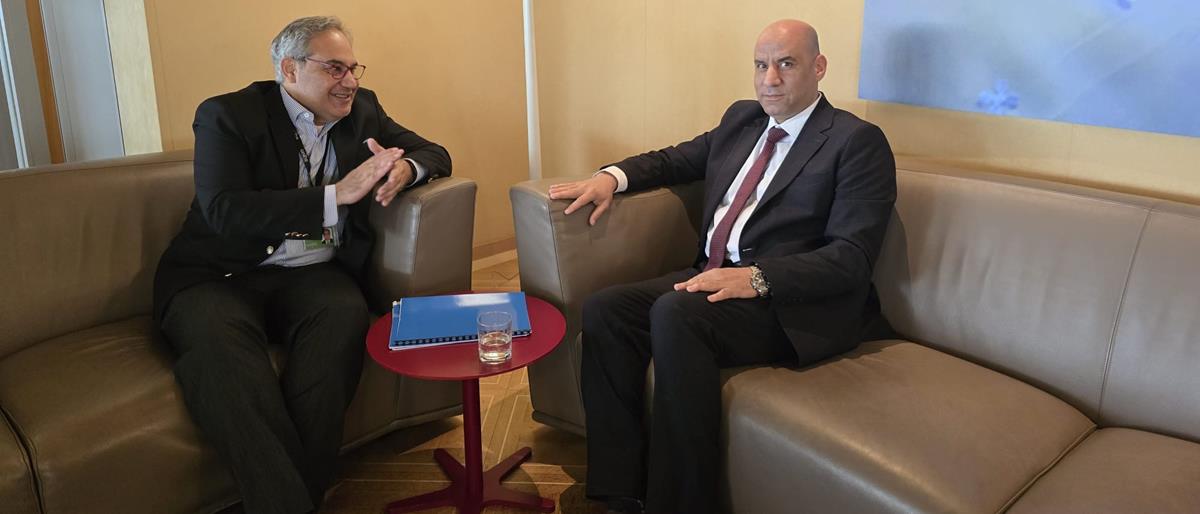
In a high-stakes move to align national employment strategies with international benchmarks, the Egyptian envoy to the United Nations recently convened with the Minister of Labor. This critical meeting serves as the primary preparatory phase for the upcoming diplomatic summits in Geneva, where the global community will gather to redefine the future of work, worker protections, and the evolving nature of global employment contracts. The dialogue, centered on the theme of Egypt UN Envoy meets Labor Minister ahead of Geneva talks – Egypt Independent, highlights Cairo’s intention to play a pivotal role in shaping the International Labour Organization (ILO) agendas and ensuring that the specific socioeconomic needs of the Global South are reflected in new international treaties.
The meeting comes at a time when the global labor market is undergoing a seismic shift. From the integration of artificial intelligence in the workplace to the rise of the “gig economy” and the lingering effects of global inflation on real wages, the stakes for the Geneva talks have never been higher. For Egypt, the objective is twofold: to showcase its domestic labor reforms and to advocate for a global framework that protects migrant workers and promotes sustainable job creation in developing economies.
The Core Objectives of the Cairo-Geneva Pipeline
The meeting between the UN envoy and the Labor Minister was not merely a procedural briefing but a strategic alignment session. The primary goal was to synthesize Egypt’s domestic labor achievements into a coherent diplomatic platform that can be presented on the world stage. When analyzing the dynamics of the Egypt UN Envoy meets Labor Minister ahead of Geneva talks – Egypt Independent narrative, several key priorities emerge.
Harmonizing Domestic Law with International Conventions
Egypt has been working extensively to update its labor laws to better align with ILO conventions. The discussions focused on how to present these updates in Geneva to signal Egypt’s commitment to “decent work” agendas. This includes improving occupational health and safety standards, enhancing the legal protections for collective bargaining, and ensuring that the transition to a more digitized economy does not leave vulnerable workers behind.
Advocating for the Global South
A recurring theme in the discussions was the disparity between labor standards in developed versus developing nations. The Egyptian delegation aims to argue that “one size fits all” labor regulations can sometimes hinder economic growth in emerging markets. Instead, they are pushing for a flexible yet protective framework that allows for economic scaling while maintaining a baseline of human dignity and fair pay for all workers.
“The intersection of national sovereignty and international labor standards requires a nuanced diplomatic approach. Egypt’s goal in Geneva is to ensure that global mandates are actionable and sustainable within the context of Middle Eastern and African economic realities.”
Understanding the Geneva Context: The Role of the ILO
To understand why the meeting between the UN envoy and the Labor Minister is so significant, one must understand the machinery of the International Labour Organization (ILO) in Geneva. The ILO is unique among UN agencies because it is tripartite—meaning it brings together governments, employers, and workers’ representatives to set labor standards.
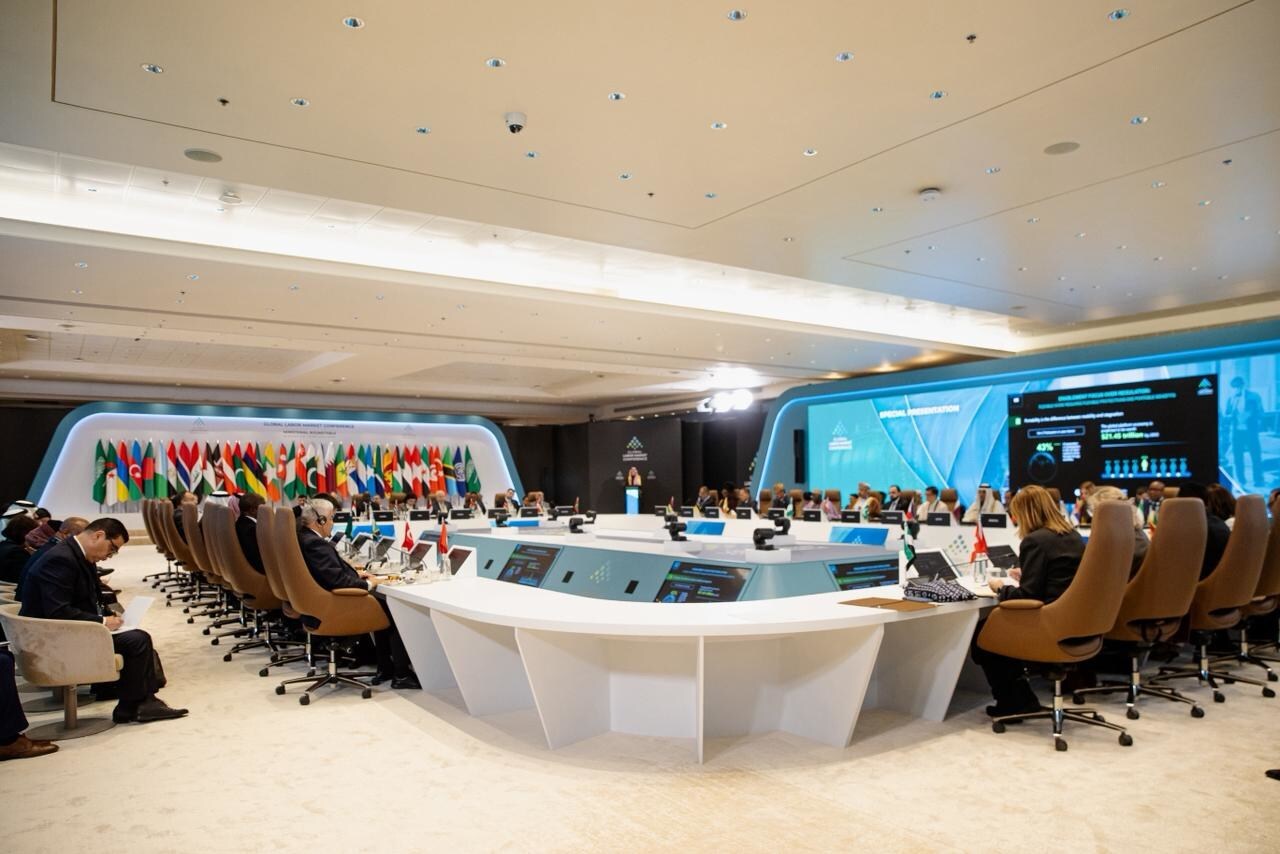
The upcoming talks in Geneva are expected to tackle several “frontier” issues in labor diplomacy:
- The Digital Divide: Addressing how remote work and platform-based employment (like ride-sharing and freelance apps) bypass traditional labor protections.
- Green Transition: Managing the “Just Transition” to a green economy, ensuring that workers in fossil-fuel-dependent industries are reskilled rather than discarded.
- Migrant Labor Rights: Creating stronger international safeguards against the exploitation of migrant workers, a topic of particular importance to Egypt given its large diaspora and the influx of workers within the region.
By coordinating early, the Egyptian government ensures that its representatives are not merely reacting to proposals from Western powers but are instead proposing their own frameworks for these issues.
Global Parallels: A Synchronized Effort Across Emerging Economies
Egypt is not alone in its rigorous preparation. Across the globe, other emerging economies are treating the Geneva talks with similar gravity. For instance, reports indicate that Indonesia is also meticulously preparing its delegation for global labor discussions. This suggests a broader trend where nations in Asia and Africa are forming a “bloc” of interests to counter-balance the traditional labor narratives led by the EU and North America.
The synchronization of these efforts indicates a shift in the geopolitical landscape of labor. While the 20th century was defined by the struggle between capital and labor within single nations, the 21st century is defined by the struggle to regulate labor across borders in a globalized economy.
| Priority Area | Developed Nations’ Focus | Emerging Nations’ Focus (Egypt/Indonesia) |
|---|---|---|
| Automation | Universal Basic Income & AI Ethics | Job Preservation & Technical Reskilling |
| Worker Rights | Diversity, Equity, and Inclusion (DEI) | Minimum Wage & Basic Social Security |
| Migration | Border Control & Integration | Remittance Protection & Fair Recruitment |
| Climate | Rapid Decarbonization | Balanced Transition & Economic Survival |
The Socioeconomic Implications for the Egyptian Workforce
While the talks in Geneva may seem like high-level diplomacy, the outcomes have direct, tangible effects on the average Egyptian worker. The alignment discussed during the Egypt UN Envoy meets Labor Minister ahead of Geneva talks – Egypt Independent meeting is designed to trickle down into national policy in several ways.
Youth Employment and the “Brain Drain”
Egypt possesses one of the youngest populations in the region. A primary concern for the Labor Minister is the “brain drain”—the migration of highly skilled Egyptian doctors, engineers, and IT professionals to Europe and the Gulf. By negotiating better international standards for professional recognition and fair pay in Geneva, Egypt hopes to create a global environment where its talent is valued, while simultaneously implementing domestic incentives to keep that talent at home.
Formalizing the Informal Sector
A significant portion of Egypt’s economy operates in the informal sector, where workers lack contracts, insurance, and pensions. The Geneva talks provide a blueprint for how other nations have successfully transitioned informal workers into the formal economy. The UN envoy’s role is to bring these global best practices back to Cairo to help the Labor Minister implement a national formalization strategy that doesn’t stifle small businesses.
For more information on how these policies are implemented locally, readers may find a related explainer on Egypt’s labor market reforms helpful.
Potential Challenges and Diplomatic Hurdles
The path to a successful outcome in Geneva is fraught with challenges. Labor diplomacy is rarely a smooth process because it involves balancing the conflicting interests of three different groups: the state, the employer, and the employee.
The Tension Between Growth and Regulation
There is often a perceived conflict between strict labor regulations and the ability to attract Foreign Direct Investment (FDI). If Egypt pushes for very high labor standards in Geneva and adopts them strictly at home, some investors might fear increased costs. The diplomatic challenge is to frame high labor standards not as a cost, but as a “quality seal” that makes the Egyptian workforce more productive, stable, and attractive to high-value investors.
The Complexity of Multilateralism
In a UN setting, achieving consensus is notoriously difficult. Egypt must navigate the interests of the African Union, the Arab League, and the broader G77 group of developing nations. The meeting between the envoy and the minister was likely focused on identifying “red lines”—issues on which Egypt cannot compromise—and “negotiable zones” where they can trade concessions for gains in other areas.
Correcting Common Misconceptions About Global Labor Talks
Many observers mistakenly believe that UN or ILO talks are merely symbolic “talking shops” with no real power. However, What we have is a significant oversimplification. While the ILO cannot “force” a country to change its laws in the way a court can, its conventions carry immense weight for several reasons:
- Trade Agreements: Many modern trade deals (such as those with the EU) include “labor clauses.” If a country is found to be in violation of core ILO conventions, it can face trade sanctions or lose preferential tariff access.
- Investment Ratings: ESG (Environmental, Social, and Governance) scores are used by global investors to determine where to put their money. A strong record in Geneva improves a nation’s “S” (Social) score, lowering the cost of borrowing and attracting ethical investment.
- Policy Blueprints: Most national labor laws are not written from scratch; they are adapted from the model laws provided by the ILO. The wording decided in Geneva today becomes the law in Cairo tomorrow.
Strategic Timeline: The Road to Geneva
The diplomatic process leading up to the Geneva talks follows a rigorous schedule. The meeting between the UN envoy and the Labor Minister is a critical milestone in this timeline.
| Phase | Activity | Objective |
|---|---|---|
| Internal Audit | Review of current Egyptian labor law gaps | Identify weaknesses before international scrutiny |
| Diplomatic Alignment | Envoy meets Labor Minister (Current Phase) | Synchronize political goals with technical data |
| Regional Coalition | Consultations with AU and Arab League partners | Build a voting bloc for the Geneva summit |
| The Geneva Summit | Tripartite negotiations and treaty drafting | Secure favorable language in global labor standards |
| Domestic Integration | Translating Geneva agreements into local decrees | Implement improved worker protections at home |
The Broader Geopolitical Impact
Beyond the technicalities of labor law, the Egypt UN Envoy meets Labor Minister ahead of Geneva talks – Egypt Independent event signals Egypt’s desire to be seen as a leader in the “Global South.” By taking a proactive stance on labor, Egypt is positioning itself as a bridge between the developed West and the developing East and South.
This leadership is crucial for Egypt’s broader foreign policy. As the country seeks to expand its trade partnerships and solidify its role as a regional hub for logistics and industry (particularly through the Suez Canal Economic Zone), having a modern, internationally recognized labor framework is a competitive advantage. It tells the world that Egypt is “open for business” but is also committed to the ethical treatment of its people.
this move reflects a strategic understanding that economic stability is inextricably linked to social stability. By improving labor conditions and aligning them with global standards, the government aims to reduce social friction and create a more resilient middle class, which is the bedrock of any sustainable economy.
Key Takeaways for Stakeholders
For those following the developments of the Egypt-UN-Geneva pipeline, the following points are essential to keep in mind:
- For Workers: The focus is shifting toward “decent work,” which means more than just having a job—it means having security, fair pay, and a voice in the workplace.
- For Employers: While regulations may tighten, the move toward international standards provides more predictability and reduces the risk of international trade disputes.
- For Policy Makers: The goal is a balanced approach that promotes economic growth without sacrificing the fundamental rights of the workforce.
- For Diplomats: The Geneva talks are a venue for emerging powers to redefine the rules of the global economy to be more inclusive of the developing world.
As the delegation prepares to depart for Switzerland, the groundwork laid in Cairo will be the deciding factor in how effectively Egypt can navigate the complexities of international labor diplomacy. The synergy between the diplomatic corps and the technical ministry is the only way to ensure that the resulting agreements are both ambitious and achievable.
Frequently Asked Questions
Why is the meeting between the UN envoy and the Labor Minister significant?
This meeting ensures that Egypt’s national labor goals are perfectly aligned with its international diplomatic strategy. It prevents contradictions between what the government promises at the UN and what it implements at home, ensuring a unified front during the Geneva talks.
What is the primary goal of the Geneva labor talks?
The talks aim to update global labor standards to address modern challenges such as AI-driven job displacement, the gig economy, and the transition to green energy, while ensuring the protection of basic worker rights across all member states.
How do these international talks affect an average Egyptian worker?
The outcomes often lead to changes in national law, such as improved minimum wage standards, better health and safety regulations in factories, and stronger legal protections for migrant workers and freelancers.
Why are countries like Indonesia and Egypt coordinating their efforts?
Developing nations often share similar challenges, such as high informal employment and the need for rapid industrialization. By coordinating, they can exert more influence in Geneva and prevent developed nations from imposing standards that are unrealistic for emerging economies.
Will these talks lead to an immediate increase in wages?
Not directly. The ILO sets standards and frameworks; it does not set specific wages for individual countries. However, the frameworks created in Geneva often provide the evidence and pressure necessary for national governments to raise minimum wages and improve pay structures.
The trajectory of Egypt’s labor diplomacy suggests a nation that is no longer content to simply follow international rules but is now seeking to write them. As the delegates head to Geneva, the world will be watching to see if this new proactive approach can create a more equitable balance between economic ambition and human rights in the global workplace.
