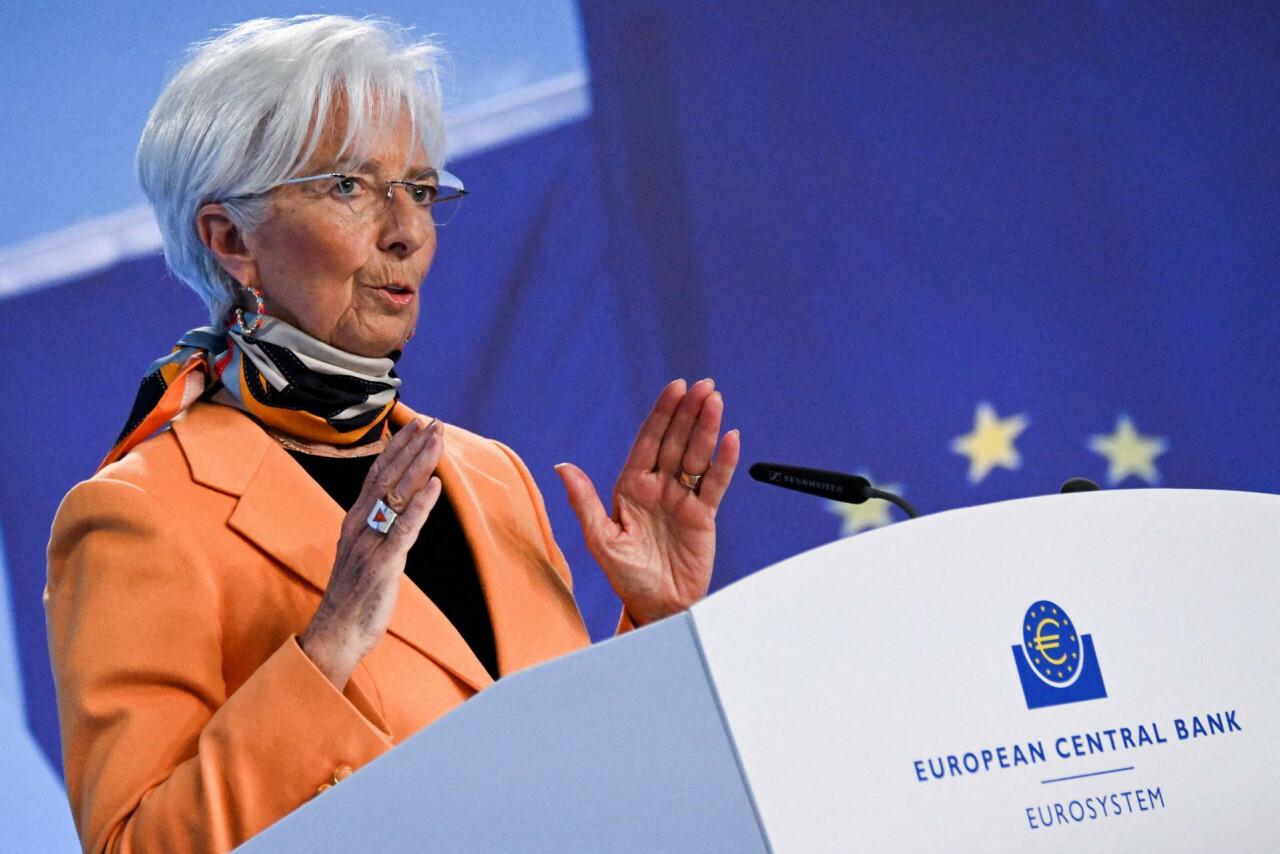
The European Central Bank (ECB) has increased interest rates for the first time in nearly three years, a policy shift that will raise the cost of loans and mortgages across the eurozone, according to local media reports.
- The ECB ended a nearly three-year streak of stable or declining rates.
- Borrowing costs for mortgages and consumer loans are expected to rise.
- Financial experts are advising borrowers to re-evaluate mortgage fixation strategies.
Why the ECB Changed Course
The decision to raise rates marks a fundamental shift in European monetary policy. According to reports from SME.sk and HNonline, the move was directed by ECB President Christine Lagarde to alter the previous economic trajectory. This action effectively ends the period of low-cost borrowing that had persisted for several years, as the central bank moves to adjust the cost of liquidity within the eurozone.
Impact on Mortgage Rates and Borrowing
The rate hike directly affects the pricing of credit products. According to TA3, loans and mortgages throughout the eurozone are expected to become more expensive as commercial banks pass the ECB’s increased costs onto consumers. In Slovakia, this shift is specifically expected to drive up monthly mortgage payments, according to HNonline.
The timing of the hike has eliminated expectations for further rate decreases. Reports from oPeniazoch.sk indicate that the move represents the “end of hopes” for cheaper mortgage options in the near term, signaling a new era of higher borrowing costs for homeowners.
Mortgage Fixation Strategies
With rates on the rise, the strategy for fixing mortgage interest rates has become a primary concern for borrowers. According to Denník N, financial experts are now advising clients on which fixation periods to choose to mitigate the impact of rising costs. The focus has shifted toward predicting how high rates may climb and selecting fixation terms that offer the best protection against further ECB hikes.
