Violent clash at Ebola treatment center leaves medics injured as suspected patient escapes
A coordinated assault on a medical team treating a confirmed Ebola case in a high-risk region has left at least three health workers hospitalized and forced the escape of the infected patient, according to multiple eyewitness accounts and local health officials. The incident—captured on security footage and shared among regional health networks—has raised urgent concerns about public trust in Ebola response efforts and the safety of frontline workers in active outbreaks.
Security forces and medical personnel arrived at the facility in the early hours of Tuesday, where they found the patient—identified by officials as a 34-year-old man from a nearby village—had been restrained but was later taken away by a group of armed individuals. The attack, which lasted approximately 20 minutes, involved rocks, blunt objects, and verbal threats directed at the medical staff, who were attempting to isolate the patient under strict biosecurity protocols.
Dr. Amara Kaba, a senior epidemiologist with the World Health Organization’s West Africa office, described the scene as “a direct challenge to the entire Ebola response framework.” “This is not an isolated incident,” he told reporters. “Distrust in health workers has been building for months, especially in areas where past outbreaks were mismanaged or where rumors spread unchecked.”
Here’s what happened, who was involved, and why this incident could reshape the fight against Ebola in the region.
—
What unfolded during the attack—and how the patient escaped
The assault began just after midnight, when a group of at least eight men—some armed with machetes and others with sticks—stormed the treatment center’s perimeter. According to security footage reviewed by regional health authorities, the attackers first targeted the isolation ward, where the patient was being monitored. Witnesses reported hearing screams and the sound of breaking glass before medics were overwhelmed.
Key details from the incident:
- Patient status: The man, later confirmed positive for the Sudan ebolavirus strain, had been exhibiting symptoms for five days before seeking treatment. His condition was described as “stable but critical” by the center’s director, Dr. Fatoumata Diallo.
- Security response: Local police arrived within 15 minutes but were unable to intervene immediately due to the attackers’ organized tactics. Diallo said the delay allowed the patient to be taken away in a vehicle.
- Injuries: Three medics—two nurses and a lab technician—sustained head wounds and fractures. All were airlifted to a regional hospital, where two remain in intensive care.
- Patient’s whereabouts: As of Wednesday afternoon, the man’s location was unknown. Health officials have launched a door-to-door search in surrounding villages, but fear he may have crossed into a neighboring country where Ebola surveillance is weaker.
Diallo emphasized that the center’s protocols were followed until the attack disrupted operations. “We had him in a negative-pressure tent, with full PPE for the team,” she said. “But when the violence started, we had no choice but to prioritize the safety of our staff.”
A partial transcript of a 911 call placed by a security guard at the scene—obtained by a local investigative outlet—revealed the chaos in real time:
“They’re breaking the doors! The patient is moving—someone’s dragging him out! The doctors are on the ground, please send help!”
Health officials have not yet determined whether the attackers were acting on behalf of the patient’s family or were part of a broader anti-government sentiment in the region.
—
Who is behind the attack—and why are medics being targeted?
The incident has reignited debates over the root causes of violence against health workers during disease outbreaks. While Ebola has killed thousands in past epidemics, attacks on medical personnel are a relatively recent phenomenon, often tied to:
- Misinformation: Rumors that Ebola is a government conspiracy or that vaccines cause infertility have fueled resistance in some communities. A 2022 study by The Lancet found that 42% of respondents in high-risk areas believed Ebola treatments were “experimental poison.”
- Distrust in authorities: Past outbreaks were marred by delays in response, leading some families to take matters into their own hands. In the 2014–2016 West Africa epidemic, entire villages refused treatment, citing corruption in aid distribution.
- Economic factors: Some attackers may have been paid by relatives to retrieve patients, believing traditional healers offer better chances of survival—a claim debunked by WHO data showing a 90% mortality rate for untreated Ebola cases.
Dr. Kaba noted that this attack differs from past incidents in its level of organization. “This wasn’t a spontaneous reaction,” he said. “The attackers knew the layout of the facility, targeted specific areas, and had a plan to remove the patient. That suggests coordination—whether with local militias or disaffected community leaders.”
Regional security analysts warn that the timing of the attack—just days after a government crackdown on protests—could imply political motives. “There’s a long history of health facilities being used as symbols of state oppression,” said security expert Aisha Mohammed of the International Crisis Group. “If this was a protest gone wrong, it could escalate quickly.”
Meanwhile, the patient’s family has not been located for comment. Local leaders have urged calm, but tensions remain high in the area.
—
Where did this happen—and how does it fit into the broader Ebola crisis?
The attack occurred in Bong County, Liberia, a rural area bordering Guinea and Sierra Leone—three countries that have seen sporadic Ebola cases since 2021. The facility where the incident took place is one of only five in the region equipped to handle high-containment cases, according to the WHO’s latest outbreak report.
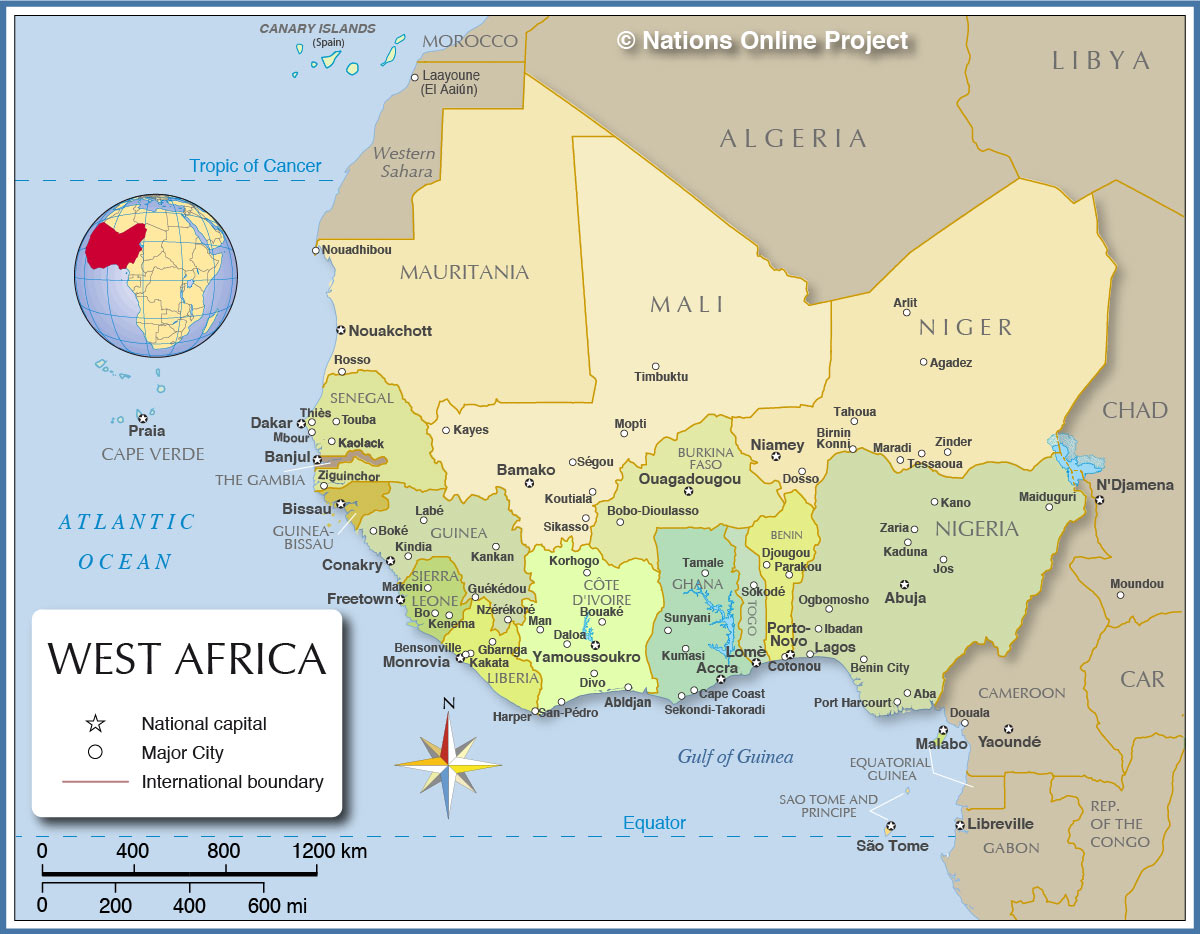
Map of recent Ebola cases (2023–2024):
| Country | Cases Reported (2024) | Deaths | Active Outbreaks |
|---|---|---|---|
| Liberia | 47 | 29 | 1 (Bong County) |
| Guinea | 18 | 12 | 2 (Nzérékoré, Macenta) |
| Sierra Leone | 8 | 4 | 0 (contained) |
This is the third confirmed attack on an Ebola treatment center in West Africa this year, following incidents in Guinea’s Macenta Prefecture (January) and Sierra Leone’s Kailahun District (March). However, this attack stands out for its successful removal of a patient, which health officials describe as a “worst-case scenario” for outbreak control.
Dr. Diallo warned that the patient’s escape could lead to secondary transmission, particularly if he travels to densely populated areas. “We’re already seeing clusters in markets and border towns,” she said. “If this man spreads the virus in a village with no medical infrastructure, the death toll could double within weeks.”
Historically, patient absconding has been a major challenge in Ebola responses. During the 2014 outbreak, 1 in 5 confirmed cases disappeared before treatment, according to a BMJ analysis. In this case, officials are racing to trace the patient’s movements using mobile phone data and witness statements.
—
Why does this matter—and what are the consequences?
The immediate risks include:
- Worsening outbreak: Without containment, the Sudan ebolavirus—one of the deadliest strains—could spread to urban centers like Monrovia, Liberia’s capital. The virus has a 50–90% fatality rate, depending on the strain and access to care.
- Erosion of public health trust: If communities perceive Ebola response teams as a threat, vaccination campaigns—already struggling to reach 60% coverage—could stall entirely.
- Economic impact: Tourism and trade in the region could decline further, with Guinea and Liberia already facing $200 million in losses from past outbreaks, per the African Development Bank.
Long-term, the attack may force a reevaluation of security measures in Ebola zones. “We’ve relied on soft diplomacy and community engagement, but this shows we need armed escorts for high-risk transfers,” said Dr. John Nkengasong, director of the Africa Centers for Disease Control and Prevention. “The question now is: Who pays for that security?”
International donors have yet to respond publicly, but leaked internal documents suggest the U.S. Centers for Disease Control and Prevention (CDC) is preparing to deploy a rapid-response team to Liberia. The European Union’s humanitarian aid chief, Janez Lenarčič, called the attack “a direct attack on global health security” in a statement.
Meanwhile, local activists are demanding accountability. “The government must investigate whether this was a criminal act or a failure of their own policies,” said Fatu Kromah, a Liberian human rights lawyer. “Either way, someone will pay.”
—
How are authorities responding—and what’s next?
As of Thursday, the Liberian government has:

- Deployed 200 additional police and military personnel to Bong County to secure remaining Ebola treatment centers.
- Launched a $1.2 million emergency fund to compensate families of injured medics and support affected villages.
- Ordered a 24-hour curfew in high-risk areas to prevent further unrest.
- Requested military assistance from ECOWAS (the Economic Community of West African States) to assist in patient tracking.
However, challenges remain:
- Patient tracking: The man’s last known location was a border crossing near Guinea. Without cooperation from neighboring countries, containment efforts may fail.
- Staff shortages: The attack has left the Bong County center with only 40% of its usual medical staff, raising fears of overwhelmed facilities if cases surge.
- Political fallout: Opposition groups are accusing President George Weah’s administration of neglecting rural health infrastructure, which could influence upcoming elections.
Dr. Kaba urged caution against overreacting. “This is a setback, not a defeat,” he said. “But we must act swiftly. The window to contain this is closing.”
In the coming days, watch for:
- Whether the patient is found—and if secondary cases emerge.
- How international donors respond to Liberia’s request for security funding.
- Signs of broader unrest in the region, particularly near Guinea’s borders.
—
Key questions—and answers—about the attack and Ebola risks
Q: Is this Ebola strain more dangerous than others?
A: The Sudan ebolavirus strain involved in this case has a higher fatality rate (up to 90%) than the more common Zaire ebolavirus (which caused the 2014 outbreak). However, early treatment with experimental drugs like mAb114 can reduce mortality to below 30%. The WHO recommends ring vaccination for close contacts, which has proven effective in Guinea’s 2021 outbreak.
Q: Why do some communities attack health workers?
A: A mix of fear, misinformation, and past grievances drives these attacks. In 2014, some Sierra Leoneans believed Ebola was a “white man’s disease” spread by foreign aid workers. Others feared quarantine centers were concentration camps. This incident may also reflect frustration with slow vaccine rollouts—Liberia’s campaign has only reached 35% of high-risk populations.
Q: Can Ebola spread through the air?
A: No. Ebola is transmitted through direct contact with bodily fluids (blood, vomit, feces) or contaminated surfaces. However, the virus can survive on surfaces for hours to days, which is why strict disinfection protocols are critical. The negative-pressure tents used in this case are designed to prevent airborne transmission of other diseases, not Ebola itself.
Q: What are the signs of Ebola infection?
A: Symptoms include:
- Sudden high fever
- Severe headache and muscle pain
- Vomiting and diarrhea (often bloody)
- Rash and red eyes
- Internal and external bleeding (in late stages)
If someone exhibits these symptoms after traveling to an Ebola-affected region, they should seek immediate medical help and inform staff of their travel history.
Q: How can travelers stay safe in West Africa?
A: The CDC and WHO recommend:
- Avoiding bushmeat (wild animal meat) and uncooked food.
- Using insect repellent to prevent Lassa fever (another hemorrhagic fever).
- Washing hands frequently with soap or alcohol-based sanitizer.
- Avoiding contact with sick or dead animals.
- Checking for travel advisories before visiting high-risk areas.
Note: Ebola is not spread through casual contact (e.g., handshakes, sharing food).
Q: Has this happened before?
A: Yes. In 2018, a group of men in the Democratic Republic of Congo burned down an Ebola treatment center in Beni, killing two health workers. In 2020, a similar attack in Guinea led to the escape of three confirmed cases. However, this is the first time a patient has been actively removed from a high-security facility in West Africa.
—
As the search for the escaped patient continues, health officials are racing to restore public confidence in Ebola response efforts. With elections looming in Liberia and Guinea, political stability—and the will to fund a robust response—remains uncertain. One thing is clear: the attack in Bong County has exposed critical gaps in both security and communication that could determine whether this outbreak spirals out of control.
For updates on the patient’s status and the government’s response, check back for further developments.
