
Quebec’s Financial Crisis: How Rising Costs and Debt Are Pushing Half the Province Into ‘Perpetual Anxiety’
Nearly half of Quebecers now live with severe financial stress, according to new data, as housing costs, inflation, and stagnant wages force families into a cycle of debt and uncertainty. Experts warn the province’s economic divide is deepening, with some households trapped in what one financial counselor calls a “perpetual crisis”—where every month feels like a struggle to stay afloat.
New surveys reveal that 45% of Quebec households report feeling constant financial anxiety, up from 38% just two years ago. The pressure is most acute among younger workers, single parents, and those in precarious employment, where even small emergencies can push them into unmanageable debt. Meanwhile, the gap between high-income earners and those barely scraping by has widened, raising concerns about social stability as cost-of-living pressures show no signs of easing.
This is not just a Quebec problem—similar trends are unfolding across Canada, where 42% of Canadians say they are one unexpected expense away from financial ruin, according to recent polling. But in Quebec, the combination of rising rents, stagnant wages, and limited government support has created a uniquely volatile situation, with some regions seeing over 60% of residents reporting financial distress.
What’s driving this crisis? And what happens next for families already drowning in debt?
—
Why Are So Many Quebecers Struggling Financially?
The root of Quebec’s financial anxiety lies in a perfect storm of economic factors:
- Housing costs: Rents in Montreal and Quebec City have surged by over 20% in the past three years, outpacing wage growth. A single-parent family in Montreal now spends 40% of its income on rent, leaving little for food, utilities, or savings.
- Inflation and essentials: Groceries, gas, and childcare costs have risen faster than wages in Quebec, with some families reporting $1,200 monthly increases in their household budgets since 2020.
- Debt dependency: Nearly one in three Quebecers relies on credit cards or high-interest loans to cover basic expenses, according to financial literacy reports. Default rates on personal loans have climbed 15% since 2022.
- Job market instability: Gig economy workers and part-time employees—who make up 28% of Quebec’s workforce—have no safety net. A single missed shift can mean skipping meals or falling behind on bills.
“We’re seeing a new class of ‘perpetual crisis’ households—people who aren’t poor by traditional measures, but who are one paycheque away from disaster,” said Marie-Claude Lavoie, a financial counselor with the Quebec Federation of Consumer Protection. “They’re not homeless, but they’re not stable either. They’re stuck in this middle ground where every decision feels like a gamble.”
Unlike past economic downturns, this crisis isn’t just about unemployment—it’s about eroding financial resilience. Even those with steady jobs report sleeping less, skipping meals, or delaying medical care to make ends meet, according to a recent United Way survey of 1,200 Quebec households.
—
Who Is Most Affected? The Faces Behind the Numbers
The financial strain doesn’t hit everyone equally. New data breaks down who is bearing the brunt:

| Demographic | % Reporting Severe Financial Anxiety | Key Stressors |
|---|---|---|
| Single parents (Montreal) | 62% | Childcare costs ($1,800+/month), unpredictable income |
| Young adults (25–34) | 58% | Student debt ($28,000 avg.), first-time homebuyer struggles |
| Gig workers (Laval, Longueuil) | 55% | No benefits, erratic earnings, high rent |
| Retirees on fixed incomes | 48% | Rising medication costs, inflation outpacing CPP increases |
| Low-income renters (Quebec City) | 65% | Rent hikes, utility bills, food insecurity |
“The most vulnerable aren’t just the unemployed—they’re the working poor,” said Dr. Pierre Dubois, an economist at Université Laval. “In Quebec, we’ve seen a 30% increase in food bank use since 2021, but the people lining up aren’t the same as in past recessions. They’re teachers, nurses, and tradespeople who suddenly can’t afford groceries.”
One Montreal mother, Sophie Moreau (name changed), described her family’s situation: “We budget every dollar, but if the car breaks down or the fridge dies, we’re choosing between fixing it or eating. We’re not poor—we’re just broken.” Moreau, a part-time bookkeeper, said her credit card debt has ballooned to $12,000 over the past year, despite earning $45,000 annually.
—
How Did We Get Here? A Timeline of Quebec’s Economic Squeeze
Quebec’s financial crisis didn’t happen overnight. Key milestones show how the province’s economy unraveled:
- 2019: Wage growth stagnates as inflation begins creeping up. Average household debt-to-income ratio hits 170%.
- 2020–2021: Pandemic support programs (CERB, wage subsidies) temporarily ease pressure, but 35% of Quebecers report financial stress by late 2021.
- 2022: Inflation spikes to 6.8%, the highest in 40 years. Grocery prices jump 11%, while wages rise just 3%**.
- 2023: Housing crisis worsens: Montreal rents rise 22%**, pushing 40% of renters to spend over 30% of income on shelter—the threshold for “housing stress.”
- 2024 (Q1–Q2): New surveys show 45% of Quebecers in “severe financial anxiety,” with 28% delaying medical care due to costs.
“The pandemic was a shock, but the real damage came from the slow-motion collapse of affordability,” said Éric Duhaime, director of the Quebec Institute for Economic Policy. “We’ve had years of wage stagnation, but the cost of living kept climbing. Now, people are playing catch-up—and losing.”
Unlike other provinces, Quebec’s social safety net has limits. While programs like solidarity tax and childcare subsidies help some, others fall through the cracks. For example:
- Childcare: Subsidized spots cost $8/day for low-income families, but waitlists in Montreal can exceed 12 months.
- Rent control: Helps tenants, but landlords adjust prices elsewhere, pushing rents up in unregulated units.
- Debt relief: Quebec offers no provincial bankruptcy protections beyond federal laws, leaving many with high-interest debt.
—
What Happens Next? Expert Predictions and Policy Responses
With financial anxiety at record levels, what’s on the horizon? Economists and policymakers offer conflicting outlooks:
- Short-term relief: Some cities (like Gatineau) have introduced rent freeze moratoriums, but these are temporary fixes.
- Wage growth: Unions are pushing for 5–7% raises, but inflation may outpace gains.
- Housing crisis: The provincial government has pledged 10,000 new affordable units by 2026, but critics call it “too little, too late.”
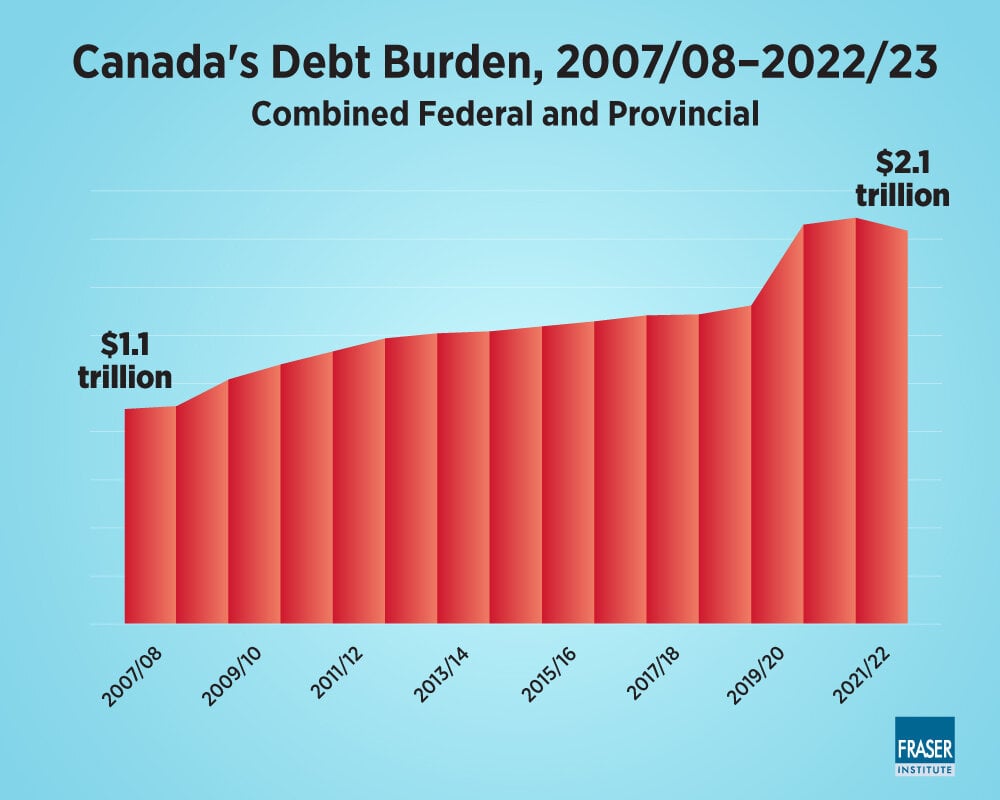
- Debt crisis: Credit counseling agencies report a 40% increase in calls from Quebecers seeking help with unmanageable debt.
“We’re at a tipping point,” warned Lise Charlebois, an economist at Dalhousie University. “If wages don’t catch up soon, we’ll see more families defaulting on loans, more evictions, and a deeper social divide. The question is whether Quebec will act before it’s too late.”
Some potential solutions under discussion:
• Expand income support: Increasing the Quebec Solidarity Tax Credit for low- and middle-income earners could provide $500–$1,000 annually to struggling families.
• Rent controls: Extending rental freeze policies to more municipalities, though landlord groups argue this could reduce housing supply.
• Debt relief: Introducing provincial bankruptcy reforms to lower interest rates on high-debt households.
• Wage subsidies: Targeted incentives for employers to raise wages in low-paying sectors like retail and food service.
However, political will remains a hurdle. The Coalition Avenir Québec (CAQ) government has focused on infrastructure and business incentives, while opposition parties argue more direct aid is needed.
—
How Are Other Canadians Faring? A National Comparison
Quebec’s financial strain mirrors—but also differs from—trends across Canada. Here’s how the numbers stack up:
| Metric | Quebec | Canada (Avg.) | Notable Difference |
|---|---|---|---|
| % Reporting financial anxiety | 45% | 42% | Higher due to housing costs and stagnant wages. |
| Avg. household debt-to-income ratio | 172% | 180% | Quebec’s ratio is lower but rising faster. |
| % spending >30% of income on rent | 40% | 35% | Montreal’s rental market is 15% more expensive than Toronto. |
| Food bank use (2023) | +30% | +25% | Quebec’s increase is driven by working poor, not unemployment. |
“Quebec’s crisis is unique because it’s not just about unemployment—it’s about wage erosion,” said David Macdonald, senior economist at the Canadian Centre for Policy Alternatives. “In Alberta, people are struggling with oil prices. In Ontario, it’s Toronto’s housing. But in Quebec, it’s the combination of high costs and slow wage growth that’s crushing families.”
One key difference: Quebec’s progressive tax system helps high earners, but does little for the middle class. Meanwhile, Alberta and Ontario have seen more job growth, though their own cost-of-living crises loom.
—
What Can Quebecers Do Now? Immediate Steps to Regain Control
For families already drowning in financial stress, experts recommend:

- Cut discretionary spending: Cancel unused subscriptions, negotiate bills (e.g., internet, insurance), and cook at home.
- Prioritize high-interest debt: Focus on credit cards or payday loans first—even small payments help.
- Seek free help: Non-profits like Option Consommateurs and ACCC offer free budgeting advice.
- Explore provincial aid: Quebec’s Solidarity Tax Credit and childcare subsidies can provide hundreds per month.
- Avoid emergency loans: Payday lenders charge up to 599% interest—seek alternatives first.
“The first step is to stop the bleeding,” said Jean-François Fortin, a financial planner in Quebec City. “People think they’re alone, but there are resources out there. The key is acting before the situation spirals.”
For those in deeper trouble, bankruptcy or consumer proposals may be options, though they come with long-term credit impacts. The Office of the Inspector General of Banks reports that Quebec had the highest rate of consumer proposal filings in Canada in 2023.
—
Key Questions About Quebec’s Financial Crisis
How does Quebec’s financial anxiety compare to other provinces?
Quebec’s rate of 45% financial anxiety is slightly higher than Canada’s average (42%), driven by housing costs and wage stagnation. Alberta and Ontario face similar pressures but with different triggers (e.g., oil prices in Alberta, Toronto housing in Ontario).
Are Quebecers really in a ‘perpetual crisis’?
Experts use the term to describe households that are not poor by traditional measures but are chronically one emergency away from disaster. Unlike past recessions, this crisis affects working families, not just the unemployed.
What’s the biggest financial threat to Quebec families right now?
Housing costs are the top concern, with 40% of renters spending over 30% of income on rent. Combined with inflation and stagnant wages, this creates a “debt trap” where families can’t save or escape high-interest loans.
Can Quebec’s government fix this?
Potential solutions include expanded rent controls, wage subsidies, and debt relief. However, political divisions and economic constraints may limit immediate action. Some economists argue structural changes (like increasing minimum wage or investing in affordable housing) are needed long-term.
Where can Quebecers get free financial help?
Organizations like Option Consommateurs, ACCC, and Projet Accès offer free budgeting workshops and debt counseling. The Quebec government’s financial aid portal also lists provincial programs for low-income families.
Is this crisis temporary or long-term?
Economists warn it’s likely long-term unless wages rise significantly or housing costs stabilize. With inflation still above 3% and rent increases continuing, relief may not come soon.
—
Quebec’s financial anxiety isn’t just a statistic—it’s a daily reality for nearly half the province. As costs climb and wages stagnate, the pressure on families shows no signs of easing. For now, the focus remains on survival: cutting expenses, seeking help, and hoping for a shift in the economic tide.
One thing is clear: without intervention, the cycle of debt and uncertainty will only deepen.
