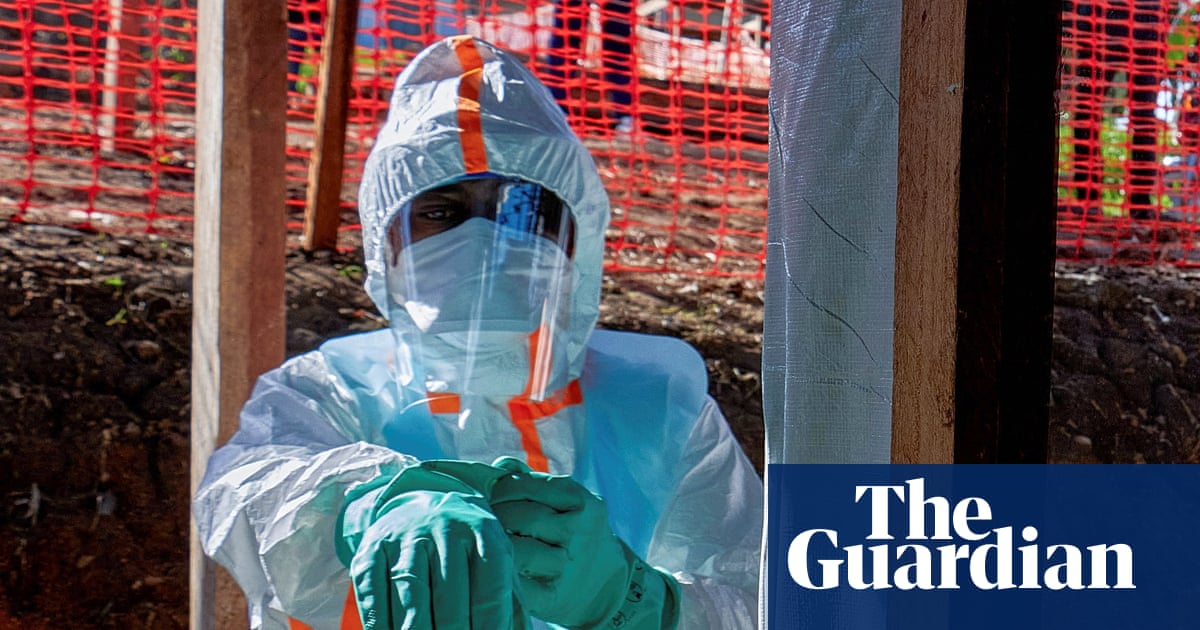
Global Health Emergency: How Local Trust Could Decide the Fate of Congo’s Latest Ebola Crisis
The Democratic Republic of Congo is battling its 12th Ebola outbreak in two decades, but this time, the stakes feel different. While the virus has spread across eastern provinces—including North Kivu and Ituri—health officials are warning that the outbreak’s trajectory may hinge less on medical interventions than on something far more fragile: community trust. In a rare public appeal, the World Health Organization has urged residents, local leaders, and international partners to unite behind containment efforts, framing the crisis not just as a medical challenge but as a test of collective resilience in one of the world’s most volatile regions.
With over 40 confirmed deaths reported since the outbreak was declared in August, and cases now crossing into neighboring Uganda, the urgency is undeniable. Yet, the response faces daunting obstacles: armed conflict, misinformation, and deep-seated skepticism toward health workers—factors that have derailed past Ebola control efforts. Meanwhile, the WHO’s latest strategy emphasizes a shift from top-down directives to grassroots collaboration, acknowledging that in Congo’s fractured landscape, local buy-in may be the most powerful vaccine of all.
This article explores how the outbreak unfolded, why community cooperation is now critical, and what the global response reveals about the evolving nature of pandemic control in the 21st century.
—
How the Outbreak Unfolded: A Timeline of Escalation
The latest Ebola crisis in the DRC emerged in August 2024, when health authorities in North Kivu province confirmed the first cases in a remote village near the border with South Sudan. Initial reports suggested a Sudan ebolavirus strain, distinct from the more familiar Zaire ebolavirus that caused previous outbreaks in the region. This distinction mattered: Sudan ebolavirus has historically been less deadly (with fatality rates around 50%, compared to Zaire’s 70%), but its airborne transmission potential raised alarms among epidemiologists.
By mid-September, the virus had spread to three health zones, including Ituri and Haut-Uélé, with clusters appearing in both rural and peri-urban areas. The rapid transmission was attributed to delayed reporting, limited testing capacity, and funeral practices that exposed communities to the virus. Unlike previous outbreaks, which often centered on single hotspots, this one showed signs of silent spread, with cases emerging in areas where health surveillance had been weakened by ongoing violence.
Key milestones:
- August 15, 2024: First confirmed cases in North Kivu; WHO declares a public health emergency of international concern (PHEIC).
- September 3: Cases reported in Ituri; first cross-border alert issued for Uganda.
- September 12: Over 20 deaths confirmed; WHO deploys emergency response teams.
- September 20: New treatment center opens in Beni, but only 5 recoveries reported due to late-stage presentations.
- September 28: Uganda confirms first case in a trader returning from DRC; regional lockdowns imposed.
What set this outbreak apart was its geographic dispersion and the political instability of the region. Unlike previous Ebola responses in the DRC—often concentrated in hard-to-reach but relatively stable areas—this crisis unfolded amid active conflict between government forces and armed groups, including the Allied Democratic Forces (ADF). In some villages, health workers have been targeted or blocked from entering, forcing responders to adopt stealth tactics, such as mobile clinics disguised as aid convoys.
—
Why Community Trust Is the Critical Factor
The WHO’s call for community cooperation reflects a hard-won lesson from past outbreaks: Ebola cannot be contained by medical measures alone when local populations distrust the response. In Congo, this skepticism runs deep.
Barriers to Containment
1. Historical Trauma: The DRC has endured decades of conflict, exploitation by foreign powers, and broken promises from international health missions. Many communities view Ebola interventions as another layer of colonial interference, especially when outsiders arrive with little cultural understanding.
2. Misinformation and Rumors: False claims—such as the idea that Ebola is a government plot to sterilize populations or that vaccines contain tracking devices—have spread rapidly via whatsApp groups and local radio. In one incident in Ituri, a health worker was stoned after being accused of spreading the virus intentionally.
3. Logistical Challenges:
- Limited road access in mountainous regions delays supplies.
- Electricity shortages hinder cold-chain storage for vaccines.
- Armed groups control key transit routes, forcing responders to negotiate safe passage.
4. The “Trust Deficit” with Health Workers: In previous outbreaks, forced quarantines and aggressive contact tracing alienated communities. This time, the WHO is emphasizing voluntary cooperation, including community-led burial teams and local health promoters who explain risks in familiar languages.
How the Response Is Adapting
Recognizing these challenges, the WHO and partners like Médecins Sans Frontières (MSF) and the U.S. Centers for Disease Control (CDC) are adopting unconventional strategies:
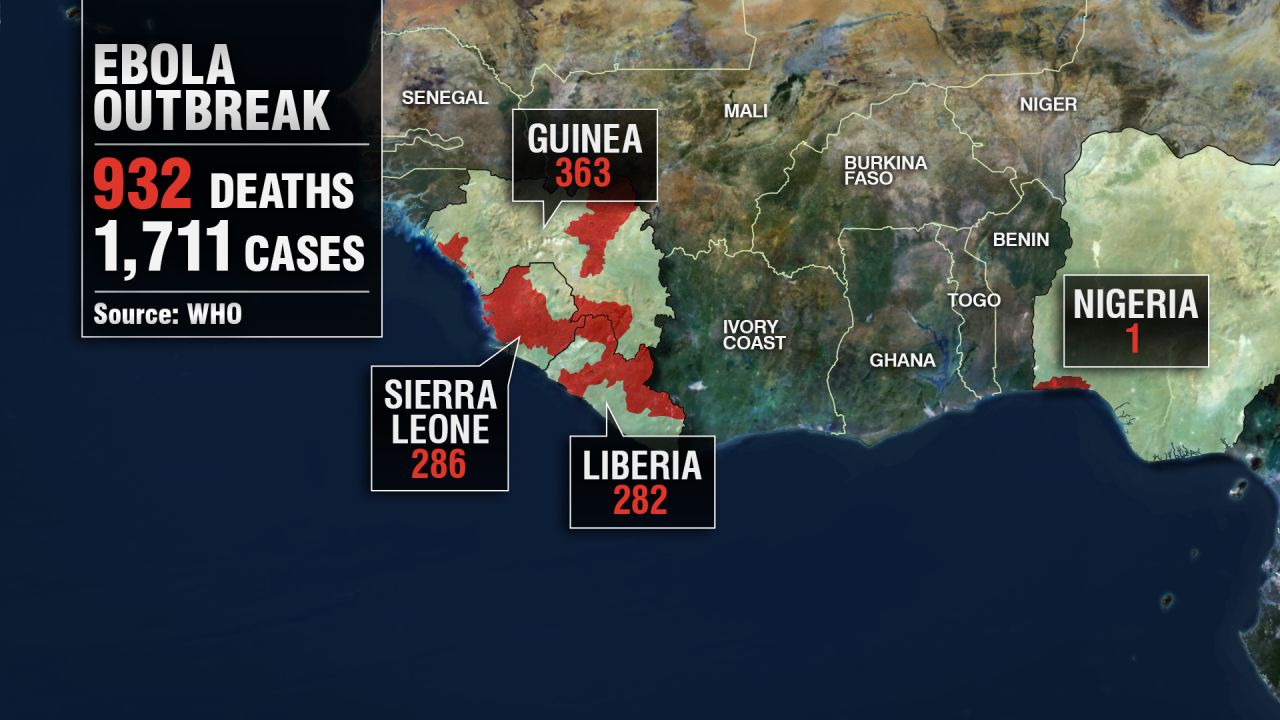
- Mobile “Ebola Schools”: Teams travel by motorcycle to remote villages, using storytelling and role-playing to teach prevention.
- Cash Incentives for Reporting: In some areas, families who immediately isolate suspected cases receive small payments to offset lost income.
- Religious Leaders as Allies: Imams and pastors are being trained to counter misinformation from pulpits and mosques.
- Decentralized Testing: Rapid diagnostic kits are being deployed to health posts rather than centralized labs, reducing delays.
Yet, even these measures face structural limits. In a region where over 1 million people are displaced by conflict, tracking contacts is nearly impossible. Some experts warn that without immediate international funding—estimated at $100 million for a six-month response—the outbreak could spiral beyond control.
—
Who’s Involved—and What Are Their Interests?
The Ebola response in Congo is a high-stakes coordination effort, with each stakeholder bringing distinct priorities—and sometimes conflicting agendas.
1. The World Health Organization (WHO)
The WHO has taken a publicly cautious but privately urgent stance, avoiding the alarmist framing that characterized earlier outbreaks. Key moves:
- Declared a PHEIC (Public Health Emergency of International Concern) in September, a rare step that signals global solidarity but also funding triggers.
- Pushed for “community engagement” over militarized containment, acknowledging that forceful measures backfire.
- Advocated for experimental treatments, including mAb114 (a monoclonal antibody therapy) and remdesivir, though supplies remain limited.
Critics argue the WHO has been too unhurried to scale up resources, given that Congo has faced 11 previous Ebola outbreaks with similar challenges. Others praise its avoidance of panic-mongering, which could disrupt fragile economies in the region.
2. Médecins Sans Frontières (MSF) and Other NGOs
MSF, which has treated thousands of Ebola patients in Congo, has publicly warned of a “deeply alarming” situation, citing:
- Underfunded treatment centers with only 10% capacity.
- Health workers quitting due to lack of protective gear.
- Patients arriving too late for experimental drugs to be effective.
MSF’s aggressive advocacy has put pressure on the WHO to accelerate funding, but it has also clashed with Congolese officials over transparency in case reporting.
3. The Congolese Government
President Félix Tshisekedi has pledged full support, deploying military personnel to secure treatment sites and banning interprovincial travel in affected areas. However, challenges remain:
- Corruption risks: Past Ebola responses have seen misallocated funds.
- Limited healthcare infrastructure: Congo has only 1 doctor per 10,000 people.
- Political distractions: Upcoming elections in 2026 may divert attention from public health.
Some local leaders have accused the central government of neglect, pointing out that most international aid bypasses provincial authorities.
4. Neighboring Countries: Uganda’s Dilemma
Uganda’s first confirmed case in late September triggered a regional scare. The country, which has no prior Ebola experience, scrambled to:
- Shut down border crossings with Congo.
- Train 5,000 health workers in Ebola protocols.
- Stockpile experimental vaccines.
Yet, Uganda’s limited healthcare system—with only 200 ICU beds nationwide—raises fears that a large-scale outbreak could collapse. The WHO has urged preventive vaccination for high-risk groups, but logistical hurdles remain.
5. The Global North: Funding and Moral Responsibility
Donor nations, including the U.S., UK, and Germany, have pledged emergency funds, but only a fraction of the $100 million needed has been mobilized. Some observers question whether Western fatigue over Ebola—after the 2014-2016 West Africa crisis—is undermining the response.
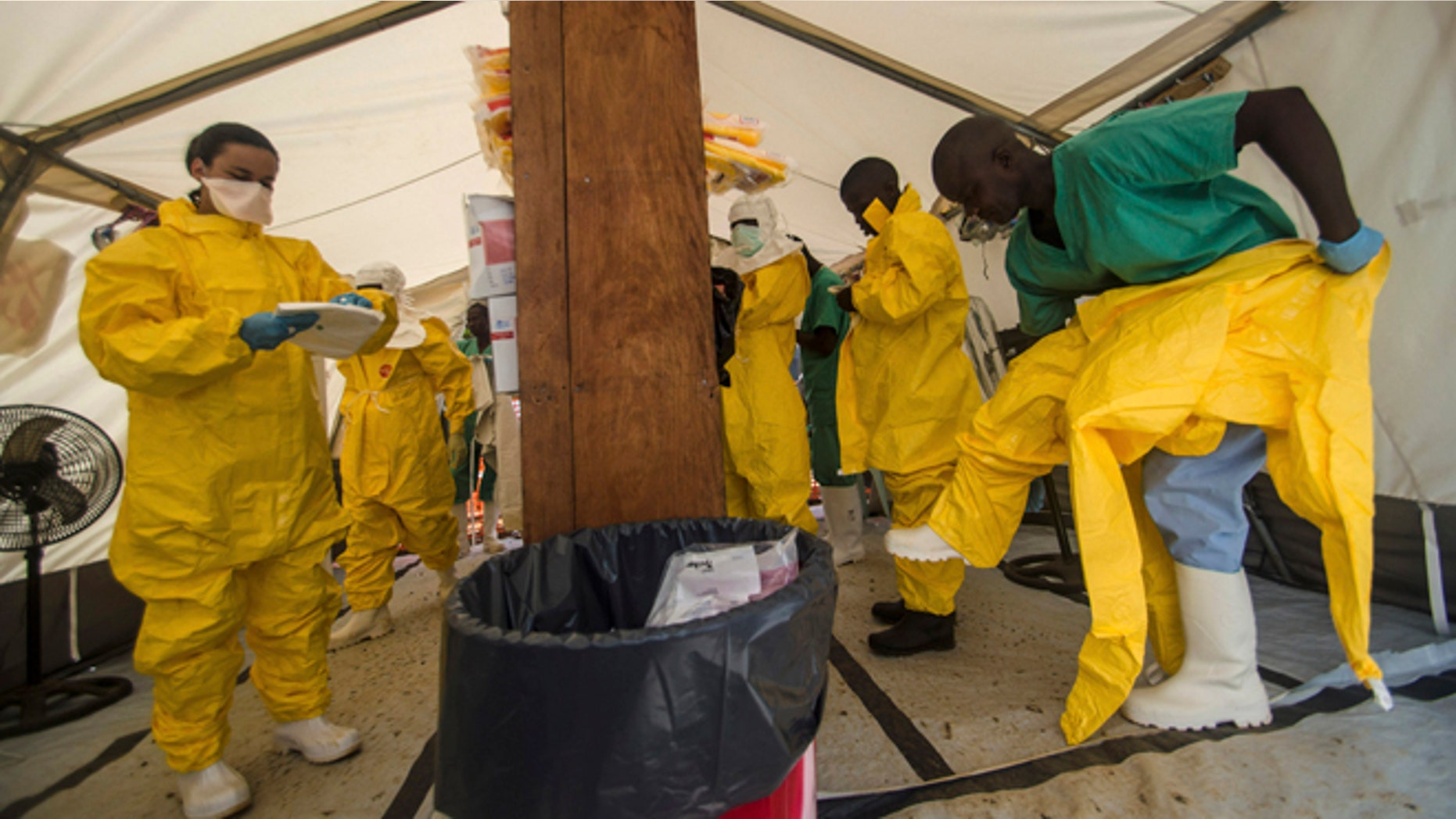
A 2023 study in The Lancet found that only 3% of global health funding goes to low-income countries outside Africa, despite their highest disease burdens. This outbreak risks reinforcing that disparity.
—
Why This Outbreak Matters Beyond Congo’s Borders
Ebola is rarely a global threat in the way COVID-19 or influenza is, but this crisis exposes critical vulnerabilities in how the world responds to localized but high-risk diseases. Here’s why it should concern everyone:
1. The “Silent Spread” Problem
Unlike SARS-CoV-2, Ebola does not spread easily between people, but its deadliness and stigma create perfect conditions for underreporting. In this outbreak:
- Only 1 in 3 suspected cases is confirmed due to testing delays.
- Families hide sick relatives to avoid quarantine or discrimination.
- Cross-border trade continues despite travel bans, smuggling the virus.
Experts warn that if the true case count is 3-5 times higher than reported, the outbreak could burn out slowly—or explode unpredictably.
2. The Collapse of “One Health” Efforts
The WHO’s “One Health” approach—linking human, animal, and environmental health—has failed to gain traction in Congo. Yet, this outbreak’s zoonotic origins (likely from fruit bats or forest rodents) highlight why wildlife protection and deforestation control are critical.
In 2023, the DRC lost 1.5 million hectares of forest to logging and agriculture—increasing human-wildlife contact. Without sustainable land-use policies, future outbreaks are inevitable.
3. The Geopolitical Risk of Neglect
Congo’s eastern region is a powder keg of instability, with over 120 armed groups operating near Ebola hotspots. Health crises exacerbate conflict:
- Displaced persons in camps become hotspots for transmission.
- Armed groups exploit fear, recruiting by promising “protection” from Ebola.
- Foreign interventions (e.g., Rwanda’s military support) risk further destabilizing the region.
A prolonged Ebola crisis could draw in more actors, turning a health emergency into a security crisis.
4. The Vaccine Gap
The Ervebo vaccine (developed by Merck) has been highly effective in past outbreaks, but:
- Only 10,000 doses have been deployed so far.
- Cold-chain requirements limit distribution in rural areas.
- New variants may reduce efficacy—Sudan ebolavirus was not included in early trials.
This raises ethical questions: Should limited vaccines go to high-risk groups or frontline workers? And how do you convince communities to accept them when distrust runs deep?
—
Lessons from Past Outbreaks: What Went Wrong—and What Could Work Now
Congo’s history with Ebola offers both warnings and blueprints for this response. Here’s what past crises reveal:
1. The 2018-2020 Kivu Outbreak: When Fear Overrode Science
That 11-month crisis killed 2,280 people and infected 3,470, but it also exposed three fatal flaws:
- Over-reliance on quarantines led to violent protests.
- Underfunded local health systems collapsed under demand.
- Armed groups blocked aid workers, creating “no-go zones”.
This time, the WHO is avoiding mass quarantines and prioritizing mobile teams, but armed conflict remains the biggest wildcard.
2. The 2014-2016 West Africa Epidemic: Global Solidarity vs. Local Resistance
Sierra Leone, Liberia, and Guinea saw 11,000 deaths, but the response showed how international coordination can fail without local trust:
- Foreign doctors took over hospitals, alienating local staff.
- Burial practices were banned, ignoring cultural norms.
- Misinformation spread via oral traditions.
In Congo today, the WHO is learning from these mistakes, but time is running out to apply those lessons.
3. The 1976 Yambuku Outbreak: The First Ebola—and a Forgotten Cautionary Tale
The first-ever Ebola outbreak in Yambuku, Congo, killed 280 people in months. What made it unique?
- Transmission via contaminated needles in a missionary hospital.
- No international response—the world didn’t know what Ebola was.
- Local healers were ignored, worsening the spread.
Today, the same dynamics play out: health systems are weak, foreign aid is slow, and traditional knowledge is sidelined.
—
What’s Next: The Race Against Time
The next three months will determine whether this outbreak is contained or becomes a prolonged humanitarian crisis. Key battlegrounds:
1. The Funding Crisis
As of late September, only 15% of the $100 million needed has been secured. Donors are prioritizing other crises, including:
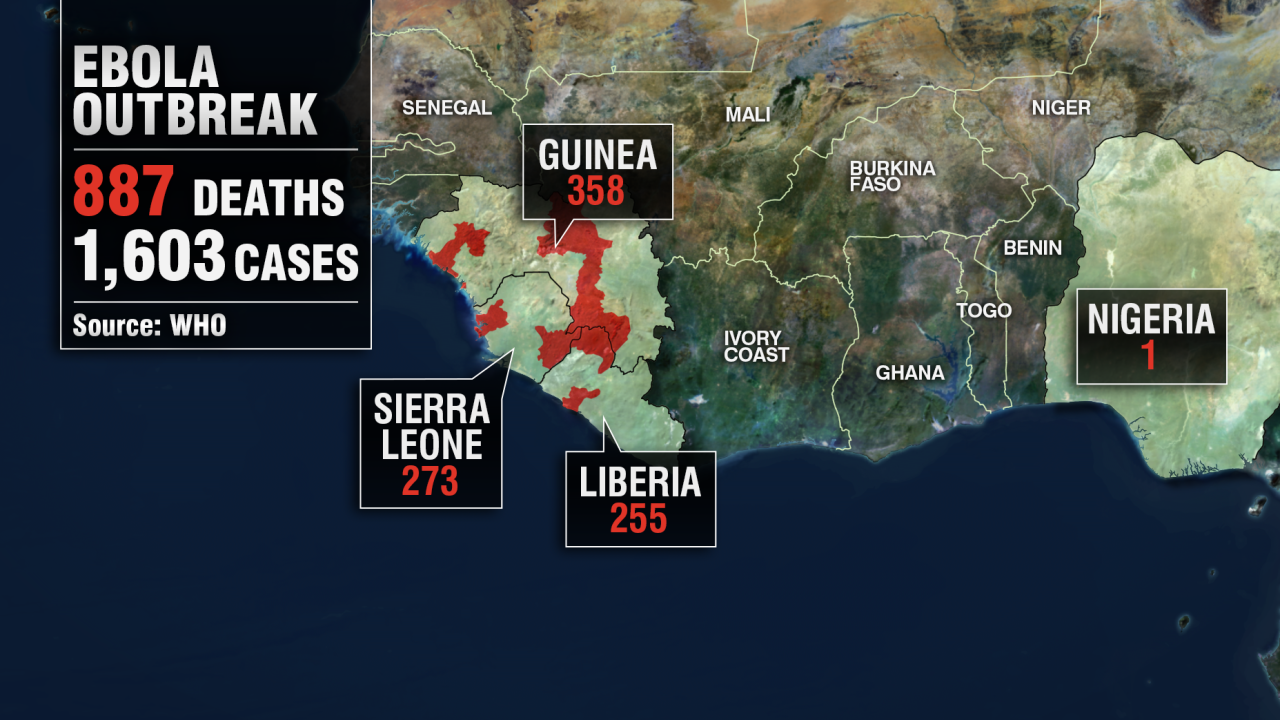
- Sudan’s humanitarian emergency (4 million displaced).
- Haiti’s cholera and gang violence.
- Global climate disasters (e.g., floods in Pakistan).
Yet, Ebola’s potential to disrupt regional stability could shift priorities if cases rise in Uganda or Rwanda.
2. The Vaccine Rollout
Merck has promised 50,000 doses by year-end, but distribution challenges remain:
- Cold-chain logistics in Congo’s tropical climate.
- Religious objections to vaccines (e.g., some groups view them as “anti-Islamic”).
- Stockpiling by wealthier nations (e.g., U.S. Has reserved doses).
The WHO is pushing for “ring vaccination”—focusing on contacts of contacts—but tracking those networks is nearly impossible in conflict zones.
3. The Cross-Border Threat
Uganda’s first case was a trader from Congo, proving that even porous borders can’t stop Ebola. Rwanda and South Sudan are on high alert, but their health systems are even weaker than Congo’s.
A regional lockdown could crush economies already struggling from inflation and conflict. The WHO is advocating for targeted measures, but political will is fragile.
4. The Long-Term Risk: A New Normal for Ebola?
If this outbreak burns out without control, experts warn of three possible scenarios:
- The “Contained” Outcome: Cases drop below 50 per week by December, thanks to vaccines and community trust.
- The “Chronic” Outcome: The virus lingers in remote villages, with sporadic flare-ups for years (like Marburg in Guinea).
- The “Catastrophic” Outcome: Armed conflict disrupts response, leading to thousands more deaths and regional spread.
The window to prevent scenario 3 is closing.
—
Key Questions and Answers
How dangerous is Sudan ebolavirus compared to the Zaire strain?
Sudan ebolavirus has a lower fatality rate (around 50%) than Zaire ebolavirus (70%+), but it can spread more easily through the air in certain settings (e.g., healthcare facilities). The 2012 Uganda outbreak showed that with proper containment, it can be controlled.
Why aren’t more countries helping fund the response?
Ebola lacks the same global panic factor as COVID-19, and donor fatigue after West Africa’s 2014-2016 crisis has set in. conflict in Congo makes aid delivery risky, deterring some governments. The WHO has reclassified this as a “Grade 3” emergency—the highest level—to trigger more urgent funding.
Can Ebola be cured with existing treatments?
There is no guaranteed cure, but experimental therapies like mAb114 and remdesivir have shown promise in trials. The Ervebo vaccine is ~97% effective when given before exposure, but supply is extremely limited. Supportive care (e.g., IV fluids, oxygen) can improve survival rates.
How does armed conflict affect Ebola control?
Conflict disrupts supply chains, blocks health workers, and creates displacement camps—ideal breeding grounds for outbreaks. In 2018-2020, ADF rebels attacked Ebola treatment centers, forcing temporary closures. This time, the M23 rebellion near Goma threatens to cut off aid routes.
What can individuals do to help?
While direct action is limited for most people, you can:
- Donate to verified groups like MSF, WHO, or Red Cross.
- Advocate for global health funding by contacting policymakers.
- Support fair vaccine distribution by pressing pharmaceutical companies to prioritize low-income countries.
- Avoid stigmatizing African nations—Ebola is not a “foreign” disease; global travel could spread it.
Is there a risk of Ebola spreading to Europe or the U.S.?
The risk is extremely low if travel and trade restrictions are enforced. Ebola requires direct contact with bodily fluids and does not spread like a cold. However, air travel could theoretically introduce cases—which is why screening at major airports (e.g., JFK, Heathrow) remains in place.
—
The battle against Ebola in Congo is not just a medical one—it’s a test of diplomacy, funding, and trust. In a world where pandemics are increasingly linked to climate change and conflict, this outbreak serves as a warning and a lesson: Without local ownership, even the most advanced science will fail. The question now is whether the global community can rise to the moment—or let another crisis slip through the cracks.
For updates on the outbreak, monitor the WHO’s Africa Regional Office and local health authorities in Congo and Uganda. If you’re traveling to the region, check CDC and UKHSA advisories before departure.
