
Congo Reports 515 Confirmed Ebola Cases as Global Response Intensifies
The Democratic Republic of Congo (DRC) has confirmed 515 cases of the Ebola virus, marking a significant escalation in the ongoing outbreak that has already claimed over 150 lives. The surge in infections has prompted the World Health Organization (WHO) and the Africa Centres for Disease Control and Prevention (Africa CDC) to unveil a $518 million emergency response plan, as the virus spreads to new regions and threatens to destabilize fragile health systems.
Outbreak Details and Geographic Spread
The DRC has experienced its 16th recorded Ebola outbreak since the virus was first identified in 1976. According to local health authorities, the current crisis began in late April 2026 and has primarily affected Ituri Province in eastern DRC. The region, already grappling with decades of conflict and instability, has seen the virus spread to areas under the control of armed groups, including territories linked to the Islamic State. This development has raised alarms about the potential for further transmission in regions with limited access to medical infrastructure.
As of the latest reports, 28 suspected cases were initially recorded, with 15 fatalities. However, the confirmed case count has since risen sharply, with health officials attributing the increase to delayed reporting, community resistance, and the challenges of operating in conflict zones. The virus’s spread to densely populated areas and border regions has also intensified fears of regional contagion.
Global and Local Response Efforts
The WHO and Africa CDC have launched an emergency operation to contain the outbreak, allocating $518 million to bolster vaccination campaigns, improve surveillance, and support local healthcare workers. The funding will prioritize the deployment of the rVSV-ZEBOV vaccine, which has proven effective in previous outbreaks, as well as the establishment of treatment centers in high-risk zones.
Local health authorities have also partnered with international organizations to address misinformation, which has hindered containment efforts. A radio station in the affected region has begun broadcasting public health messages to combat myths and encourage community cooperation. Despite these measures, distrust of medical teams—fueled by past conflicts and rumors—remains a persistent barrier to effective response.
Challenges and Implications
The outbreak’s progression is compounded by the DRC’s ongoing political and economic instability. The country’s healthcare system, already under strain, faces shortages of medical supplies, trained personnel, and secure facilities. The involvement of armed groups in the affected areas further complicates efforts to reach vulnerable populations, as security risks limit the movement of aid workers and surveillance teams.
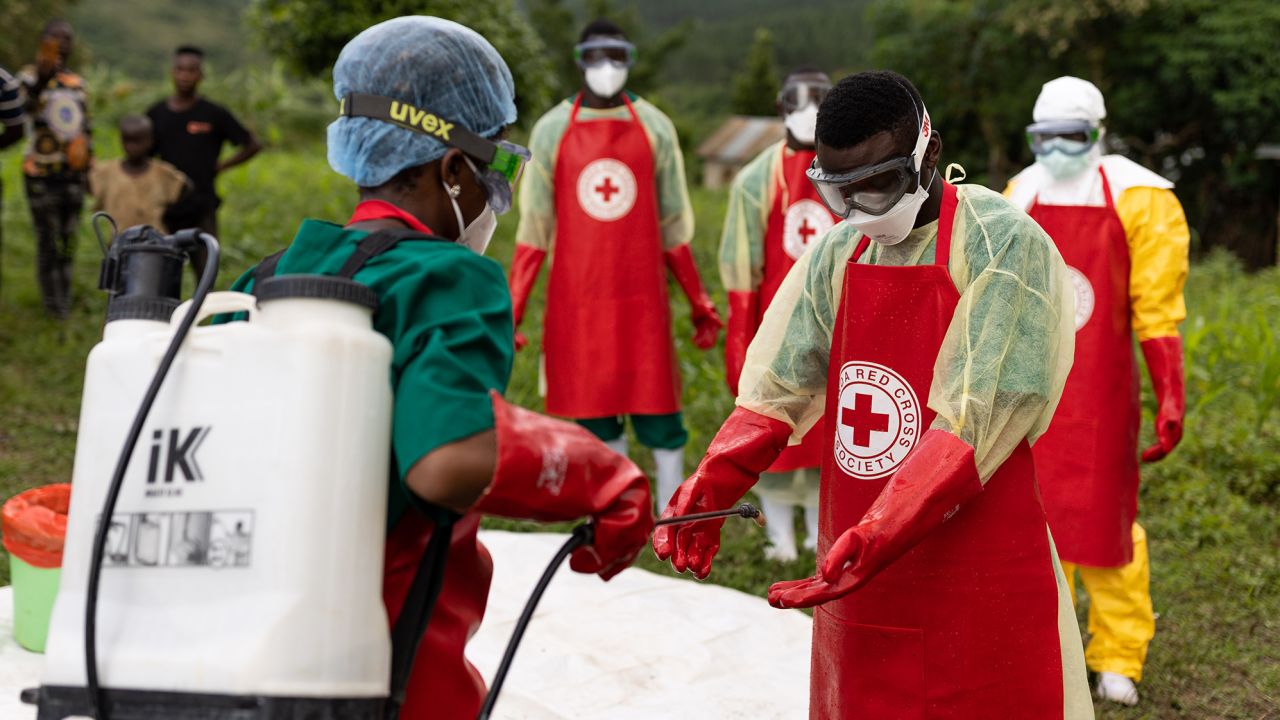
Experts warn that the virus’s spread to areas under non-state control increases the risk of cross-border transmission. Neighboring countries, including Uganda, have heightened border screenings and prepared contingency plans. The WHO has emphasized the importance of international collaboration to prevent a regional health emergency, urging donor nations to accelerate funding commitments.
Historical Context and Lessons Learned
This outbreak is the second in the DRC this year, following a smaller, quickly contained incident in March 2026. Previous Ebola outbreaks in the region—such as the 2018-2020 epidemic in the northeast—highlight the challenges of combating the virus in areas with weak governance and limited public health infrastructure. The 2018-2020 crisis, which claimed over 2,200 lives, underscored the need for community engagement and rapid intervention to prevent large-scale outbreaks.
Unlike past outbreaks, the current situation has seen improved coordination between local and international agencies. The use of mobile health units and digital tracking systems has enhanced response efficiency, though these tools remain limited in conflict-affected zones. The success of the $518 million plan will depend on its ability to overcome logistical hurdles and build trust with local populations.
Key Points to Watch
- Case Trends: The DRC’s health ministry will monitor whether the 515 confirmed cases represent a peak or a continuing upward trajectory.
- Community Resistance: Persistent skepticism toward medical interventions could delay containment efforts, particularly in regions with histories of violence against healthcare workers.
- Regional Impact: The spread of the virus to areas under armed group control raises concerns about its potential to cross borders and infect new populations.
- Funding Delays: The success of the emergency response plan hinges on timely disbursement of the $518 million, with delays risking a resurgence of cases.
Frequently Asked Questions
What is the current case count for the Ebola outbreak in the DRC?
The DRC has confirmed 515 cases of the Ebola virus, with over 150 deaths reported. The number is expected to rise as health officials continue to investigate suspected cases in remote and conflict-affected areas.

How is the international community responding to the outbreak?
The WHO and Africa CDC have allocated $518 million to fund vaccination campaigns, treatment centers, and community outreach programs. International donors are also being urged to accelerate financial support to address the crisis.
