What Employers Should Monitor as the Ebola Outbreak Continues – HR Brew: A Guide to Corporate Risk and Travel Safety
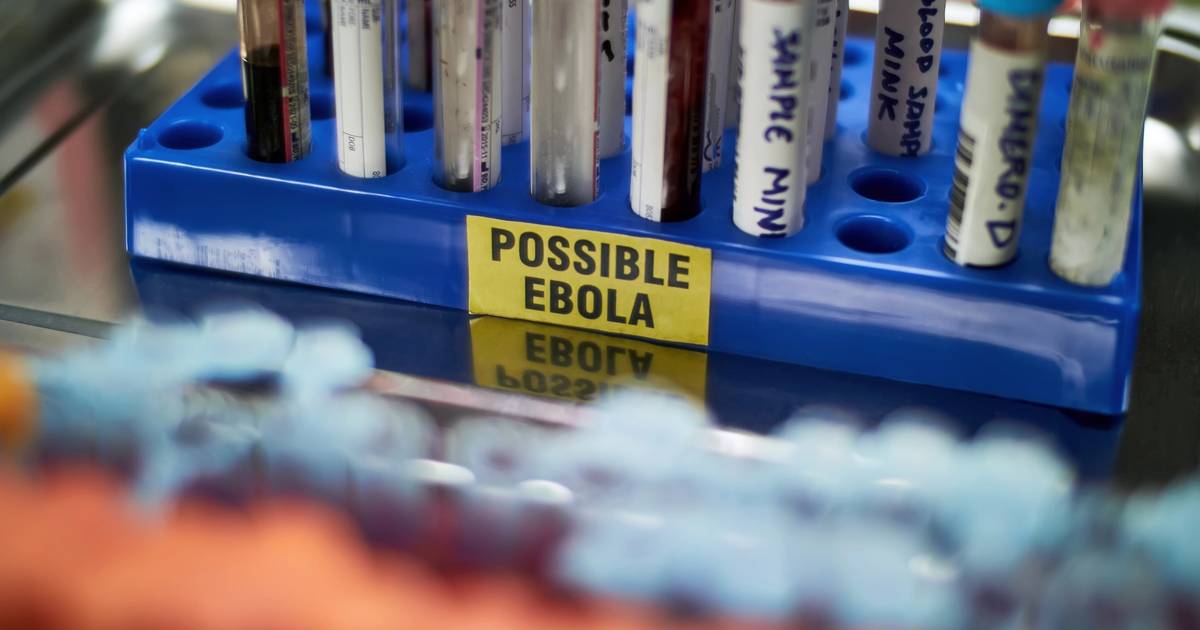
As the global community navigates a new Ebola outbreak in 2026, businesses with international footprints are facing a familiar yet complex challenge: balancing the necessity of global mobility with the imperative of employee safety. While health organizations characterize the current situation as a localized health challenge, the potential for systemic disruption remains a primary concern for corporate leadership and human resources departments. Understanding what employers should monitor as the Ebola outbreak continues – HR Brew style guidance suggests a proactive approach to risk management, focusing on coordinated international responses and the maintenance of traveler confidence.
The current landscape is defined by a tension between the clinical reality of the virus and the economic necessity of open borders. With the World Travel & Tourism Council (WTTC) and other global bodies calling for a measured, calm response, employers must look beyond the headlines to implement data-driven safety protocols. The goal for modern organizations is to avoid the “travel chaos” of previous health crises while ensuring that “duty of care” obligations are met with precision and transparency.
The Current State of the 2026 Ebola Outbreak
The 2026 Ebola outbreak is currently being managed as a localized event, though its implications are felt globally due to the interconnected nature of modern commerce and tourism. Unlike pandemics that spread rapidly across multiple continents, the current focus remains on containment within specific regions, particularly involving efforts in the Democratic Republic of the Congo (DRC) and Uganda.
To prevent the localized challenge from evolving into a global crisis, a coalition of nations has stepped forward to synchronize their health and travel responses. This coordinated effort is designed to ensure that health screenings and travel restrictions are based on scientific evidence rather than panic, thereby protecting the recovery of the global travel and tourism sectors.
Key Nations Involved in the Coordinated Response
A diverse group of countries has aligned their strategies to ensure a unified front against the outbreak. This alignment is critical for employers who have operations or employees moving between these jurisdictions.
| Region/Country | Role in Response |
|---|---|
| United States, UK, Canada | Providing diplomatic and health coordination support. |
| Germany, Spain, Italy, Netherlands | Contributing to the WTTC’s call for calm and coordinated travel protocols. |
| DRC, Uganda | Primary sites of localized health challenges and containment efforts. |
For employers, the involvement of these specific nations indicates where the most rigorous monitoring of travel advisories and health protocols should be concentrated. When major economies like Germany and the US align their response, it typically signals a shift toward standardized screening and reporting, which provides a more predictable environment for corporate travel.
Global Institutional Safeguards: ICAO and WHO
One of the most significant risks during any viral outbreak is the collapse of transportation infrastructure due to abrupt border closures or airport shutdowns. To mitigate this, the International Civil Aviation Organization (ICAO) and the World Health Organization (WHO) have implemented guarantees to maintain airline safety and prevent massive airport disruptions in 2026.
These organizations are focusing on several key areas to ensure that the movement of people—including essential business travelers—continues without compromising public health:
- Standardized Screening: Implementing non-disruptive health checks that identify symptomatic travelers without halting entire flight paths.
- Safety Guarantees: Providing airlines with clear, science-based protocols for onboard hygiene and passenger management.
- Communication Channels: Establishing real-time data sharing between health authorities and aviation hubs to prevent “knee-jerk” closures of airports.
The collaboration between the ICAO and WHO is designed to prevent the “travel chaos” seen in previous decades, ensuring that the response to a localized health challenge does not result in a global economic standstill.
Employers should monitor the joint bulletins issued by these bodies, as they serve as the primary indicators for whether specific travel routes remain viable or if new safety mandates are being introduced for passengers.
The WTTC Risk Assessment: Understanding “Low Risk”
The World Travel & Tourism Council (WTTC) has explicitly rated the risk of Ebola for the general traveler as low. However, for HR professionals and corporate risk managers, the term “low risk” requires nuanced interpretation. In a corporate context, “low risk” does not mean “zero risk,” but rather that the probability of infection for a traveler following standard health protocols is minimal.
Why the WTTC is Calling for Calm
The WTTC’s emphasis on a “calm and coordinated” response is rooted in the desire to protect traveler confidence. History has shown that the economic damage caused by the fear of a disease often outweighs the damage caused by the disease itself. For employers, In other words that overreacting—such as cancelling all travel to an entire continent due to a localized outbreak—may be an unnecessary business cost that does not significantly increase employee safety.
Key points regarding the WTTC’s stance:
- Avoid Over-Restriction: Coordinated responses prevent the implementation of arbitrary travel bans.
- Focus on Confidence: Maintaining traveler confidence is essential for the recovery of global tourism and business exchange.
- Evidence-Based Action: The call for coordination suggests that policies should be driven by the WHO’s clinical data rather than political pressure.
Employer’s Guide: What to Monitor and How to Respond
When considering what employers should monitor as the Ebola outbreak continues – HR Brew guidelines suggest a multi-layered approach to employee wellness and business continuity. The responsibility of the employer falls under the “Duty of Care,” a legal and moral obligation to ensure the safety of employees while they are working, including during international travel.
1. Real-Time Travel Advisories
Employers should not rely on general news cycles, which can be sensationalist. Instead, they should monitor official government travel advisories from the countries listed in the coordinated response (e.g., the US State Department, the UK Foreign, Commonwealth & Development Office, or the German Federal Foreign Office).
Specific markers to watch for include:
- Changes in “Travel Level” ratings for the DRC, Uganda, and neighboring regions.
- New requirements for health declarations or vaccination proof upon entry or exit.
- Updates on “red zones” where the localized outbreak is most active.
2. Employee Health and Communication Protocols
Clear communication is the best antidote to employee anxiety. HR departments should establish a transparent communication loop that informs employees of the actual risk levels versus the perceived risks.
Recommended communication steps:
- Pre-Trip Briefings: Provide employees with the current WTTC risk rating (Low) and the WHO’s safety guidelines.
- Check-in Cadence: Implement a mandatory check-in schedule for employees traveling to or from affected regions.
- Post-Travel Monitoring: Establish a protocol for employees to report any symptoms upon their return, aligned with WHO guidelines.
3. Evaluating Business Necessity vs. Risk
Not all travel is equal. Employers should categorize their travel needs to determine the appropriate level of caution.
| Travel Category | Risk Tolerance | Monitoring Level |
|---|---|---|
| Essential/Emergency Operations | Moderate | High – Daily updates, specialized medical insurance. |
| Routine Client Meetings | Low | Medium – Weekly updates, alternative virtual options. |
| Non-Essential/Internal Events | Highly Low | Low – Deferral recommended if in localized zones. |
Addressing Common Misconceptions
In the wake of an Ebola outbreak, misinformation often spreads faster than the virus. Employers have a role in correcting these misconceptions to prevent unnecessary panic within their workforce.
Misconception: Ebola is an airborne threat
The Reality: Ebola is not transmitted through the air like the flu or COVID-19. It requires direct contact with infected bodily fluids. For the average business traveler staying in hotels and attending meetings, the risk of exposure is extremely low, which supports the WTTC’s “low risk” assessment.
Misconception: Any travel to Africa is now high-risk
The Reality: The current outbreak is described as a “localized health challenge.” Most countries on the continent are entirely unaffected. Applying a blanket travel ban to the entire region is not only an overreaction but can be seen as discriminatory and harmful to business partnerships.
Misconception: Airport screenings are sufficient for total safety
The Reality: While ICAO and WHO guarantees make airports safer, they are only one part of the safety chain. Employers must ensure employees are educated on personal hygiene and avoid contact with symptomatic individuals once they have left the airport.
Integrating Health Monitoring into Corporate Policy
To move from a reactive to a proactive stance, companies should integrate these monitoring requirements into their standard operating procedures (SOPs). This ensures that the organization is not scrambling to respond to the next health headline but is instead following a pre-set playbook.
Consider implementing a related explainer on corporate duty of care to ensure all managers understand their legal obligations. A robust policy should include:
- Medical Evacuation Insurance: Ensuring all international travelers have coverage that specifically includes emergency medical evacuation from regions experiencing health crises.
- Virtual-First Contingencies: Establishing a “trigger point” (e.g., a change in WHO alert level) at which point all non-essential travel is automatically shifted to virtual meetings.
- Health Resource Hub: A centralized internal page where employees can find the latest updates from the WHO and ICAO, removing the need for them to search through conflicting news sources.
Frequently Asked Questions
Should my employees stop traveling to regions near the Ebola outbreak?
According to the WTTC, the risk for travelers is currently rated as low. Rather than a total stop, employers should monitor official travel advisories and the coordinated response from nations like the US, UK, and Germany. Travel should be evaluated based on necessity and the specific location of the localized health challenge.

How can I ensure my employees feel safe while traveling?
Transparency and education are key. Share the official guarantees from the ICAO and WHO regarding airline safety and airport disruptions. Provide clear, science-based information about how the virus is transmitted to dispel myths about airborne spread, and maintain a consistent check-in protocol.
What are the “red flags” that should trigger a travel suspension?
Employers should look for specific changes in official guidance: a shift in the WTTC risk rating from “low” to “moderate” or “high,” the imposition of mandatory quarantines by the destination country, or a formal warning from the WHO that the outbreak is no longer localized.
Is the 2026 outbreak expected to cause major airport closures?
The ICAO and WHO are currently working to guarantee airline safety specifically to prevent massive airport disruptions. Their goal is to maintain the flow of global travel through coordinated screening and safety protocols, making widespread closures unlikely if the current coordinated response remains effective.
What is the role of the WTTC in this situation?
The World Travel & Tourism Council (WTTC) acts as a coordinating body that advocates for a calm, evidence-based response. They work to ensure that health challenges are managed without causing unnecessary panic, which helps protect the global tourism recovery and maintains traveler confidence.
