
Pope Leo Prays for Filipinos Affected by Massive Earthquake: Vatican News and Geological Reports Detail Mindanao Impact
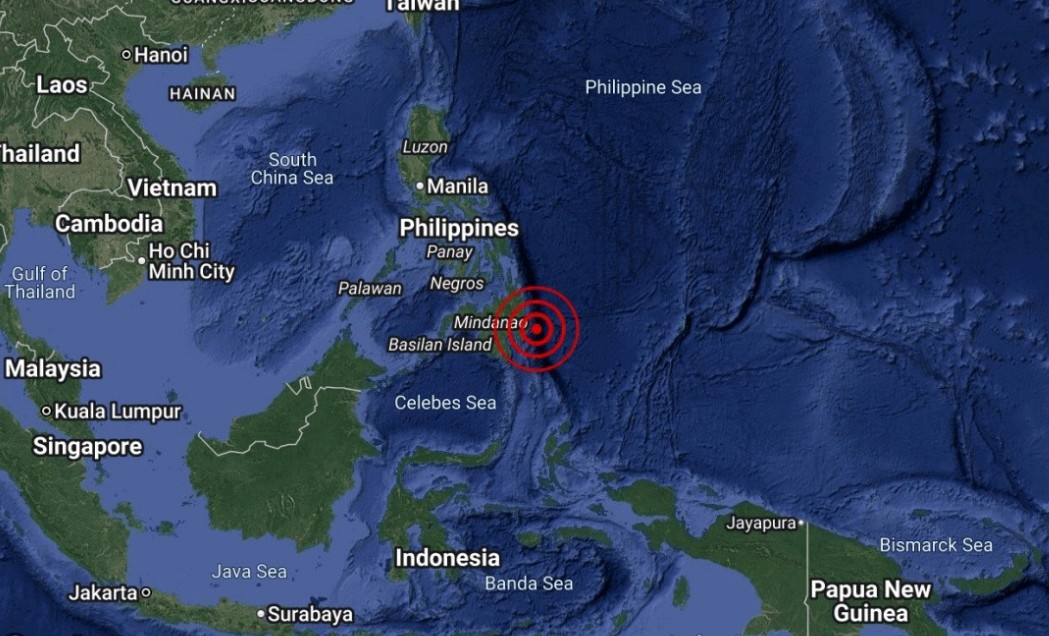
Pope Leo has offered prayers for the people of the Philippines following a 6.2 magnitude earthquake that struck off the southern coast. According to reports from The Guardian and ABS-CBN, the seismic event caused the seabed to rise by up to two meters, significantly altering the coastline in the Mindanao region.
What were the immediate effects of the 6.2 magnitude earthquake?
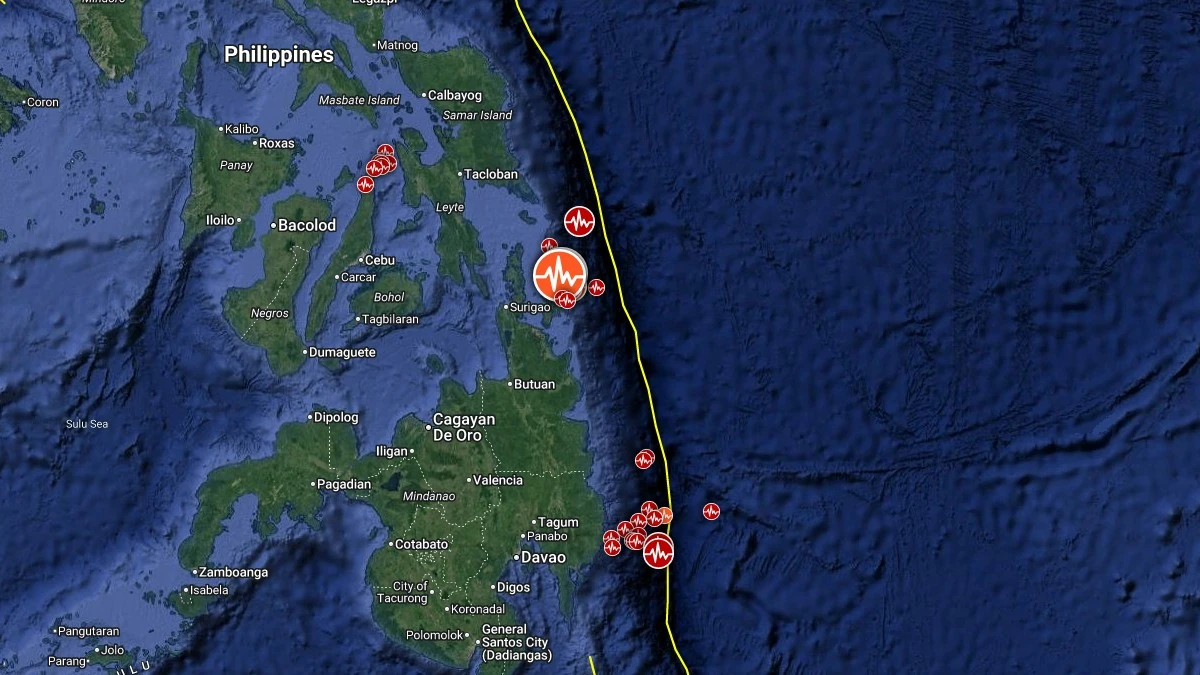
A 6.2 magnitude earthquake struck off the southern coast of the Philippines, according to CTV News. The tremor centered in the waters near Mindanao, sending shocks through coastal communities and triggering immediate concern for casualties and infrastructure damage. While the magnitude represents a strong quake, the most unusual aspect of this event was not the shaking itself, but the permanent geological shift that followed.
Local reports indicate that the quake caused sudden and dramatic changes to the physical geography of the region. Residents in affected coastal areas witnessed the ocean receding as the land beneath the water was pushed upward. This phenomenon, known as tectonic uplift, resulted in the exposure of land that had previously been submerged for centuries.
The immediate response involved emergency assessments by local authorities to determine the extent of the damage to homes and public utilities. Because the earthquake occurred offshore, the risk of tsunamis was a primary concern for the Philippine government and disaster risk management agencies in the hours following the initial shock.
How did the earthquake raise the seabed by two meters?
The Guardian and ABS-CBN report that the earthquake caused the seabed to rise by as much as two meters. This vertical displacement occurred when the tectonic plates beneath the Mindanao region shifted, forcing a section of the ocean floor upward. This is a rare occurrence in such a concentrated area and has led to a visible extension of the shorelines.
According to Yahoo News Canada, this uplift extended shorelines by hundreds of meters in certain locations. This process effectively created new land, turning previous seabed into dry terrain. While the creation of new land might seem beneficial, it presents significant challenges for the local ecosystem and the people who rely on the sea for their livelihood.
Geologists explain that such a drastic rise in the seabed can disrupt the balance of coastal environments. Coral reefs, which are sensitive to depth and light levels, may find themselves stranded above the water line, leading to mass die-offs. Similarly, the sudden change in depth alters the habitat for various fish species, which can impact local food security.
| Metric | Detail | Source |
|---|---|---|
| Earthquake Magnitude | 6.2 | CTV News |
| Maximum Seabed Uplift | 2 Meters | The Guardian / ABS-CBN |
| Shoreline Extension | Hundreds of Meters | Yahoo News Canada |
| Primary Region Affected | Southern Philippines (Mindanao) | ABS-CBN |
Why did Pope Leo pray for Filipinos affected by the earthquake?
Vatican News reports that Pope Leo has offered prayers for the Filipinos affected by this massive earthquake. The Pope’s gesture follows the reports of death and destruction associated with the seismic event in Mindanao. The Vatican frequently issues prayers and messages of solidarity during natural disasters in the Philippines, a nation with a deep Catholic heritage and a high vulnerability to geological hazards.
The prayer from Pope Leo serves as a spiritual response to the physical trauma experienced by the coastal communities. According to Vatican News, the Pope’s focus is on the recovery of those who lost homes, the mourning of families who lost loved ones, and the resilience of the Filipino people in the face of repeated natural calamities.
This spiritual outreach often precedes or accompanies material aid coordinated through Catholic charities and international relief organizations. By publicly praying for the victims, the Pope draws international attention to the disaster, which can help mobilize global support and funding for the rebuilding efforts in southern Philippines.
“The prayers of the Holy Father are directed toward the survivors and the bereaved in Mindanao, emphasizing the need for global solidarity in the wake of this geological catastrophe.” — Summary of Vatican News reporting.
What are the long-term implications of the extended shorelines?
The extension of shorelines by hundreds of meters, as reported by Yahoo News Canada, creates a complex set of legal and environmental problems. When the sea recedes and new land emerges, the ownership of that land becomes a point of contention. Local governments must now determine whether this new land belongs to the state or to the owners of the adjacent coastal properties.
From an infrastructure perspective, the two-meter rise of the seabed renders existing piers and docks useless. Ships that previously docked at these facilities now find the water too shallow to approach the shore. This disrupts trade and transport for fishing villages that depend on daily boat trips to reach deep-water fishing grounds.
Environmentalists warn that the sudden exposure of the seabed can lead to the degradation of mangroves. Mangroves require a specific tidal range to survive; if the land rises too far above the high-tide mark, these critical buffers against future storms may die off, leaving the coast more vulnerable to erosion and storm surges.
- Economic Disruption: Fishing fleets must find new docking locations due to shallow waters.
- Ecological Loss: Potential death of coral reefs and mangrove forests due to uplift.
- Legal Disputes: Uncertainty over the ownership of newly emerged land.
- Infrastructure Failure: Damage to coastal roads and sea walls caused by the shifting earth.
How does Mindanao’s geography contribute to these events?
Mindanao is located in one of the most seismically active regions in the world. The Philippines sits atop the “Pacific Ring of Fire,” a string of volcanoes and seismic activity caused by the movement of several tectonic plates. According to geological contexts, the southern region is particularly prone to deep-seated earthquakes and tectonic shifts.
The specific type of movement that raised the seabed by two meters suggests a thrust fault mechanism. In this scenario, one block of the earth’s crust is pushed upward over another. This vertical movement is what causes the seabed to lift, unlike strike-slip faults where the land moves horizontally.
The frequency of these events in the Philippines means that local communities often have a high level of disaster preparedness, but the scale of this specific uplift is unusual. Most earthquakes cause shaking and collapse; few cause a permanent, visible change in the coastline of this magnitude.
For more information on how these regions prepare for such events, see a related explainer on Philippine disaster risk management.
Comparing the reporting on the seabed uplift
There is a high level of consistency across the reporting outlets regarding the physical facts of the event. The Guardian, ABS-CBN, and Yahoo News Canada all align on the figure of a two-meter seabed rise. This suggests that the data was likely provided by a central geological authority, such as the Philippine Institute of Volcanology and Seismology (PHIVOLCS).
However, the framing of the stories differs. The Guardian and ABS-CBN focus heavily on the geological anomaly and the physical transformation of the land. In contrast, Vatican News centers the narrative on the humanitarian and spiritual response, highlighting Pope Leo’s prayers. CTV News provides the essential baseline data, focusing on the 6.2 magnitude of the quake as the primary driver of the story.
This contrast shows the different priorities of the newsrooms: the scientific and local impact versus the global spiritual and humanitarian reaction. Together, these sources provide a complete picture of the event, from the magnitude of the shock to the permanent change in geography and the subsequent international response.
Common misconceptions about tectonic uplift
One common misconception is that a rise in the seabed is a sign of a coming tsunami. While earthquakes often cause tsunamis, the uplift itself is a result of the earthquake’s movement. If the land rises, the water may recede, which is often a warning sign of a tsunami. However, in this case, the land remained elevated, meaning the “receding” water was actually the land moving up, not the water being pulled away by a wave.
Another misconception is that the “new land” created by the earthquake is immediately habitable. In reality, this land is often composed of unstable seabed sediment and salt-saturated soil. It cannot be used for agriculture or construction without significant remediation and environmental assessment.
Finally, some believe that a 6.2 magnitude quake is too small to cause such a large physical shift. While 6.2 is considered “strong” but not “great” on the Richter scale, the amount of uplift depends more on the type of fault movement than the total energy released. A vertical thrust can cause significant uplift even at a moderate magnitude.
What to monitor in the coming weeks
The primary concern for the Mindanao region will be the stability of the newly emerged land. Geologists will likely monitor the area for aftershocks, which could either further lift the land or cause it to subside.
Local governments will also need to address the immediate needs of the fishing communities. The loss of dock accessibility is a critical economic blow that requires urgent infrastructure investment. The international community, prompted by the prayers of Pope Leo, may see an increase in aid directed toward coastal rehabilitation.
Environmental agencies will be tasked with assessing the damage to the coral reefs. If the reefs are now exposed to air, they will perish quickly, which will have a cascading effect on the local marine food chain and the economy of the southern Philippines.
For a deeper look at how seismic activity affects coastal economies, read a related analysis on tectonic impacts on fishing industries.
Frequently Asked Questions
How big was the earthquake in the southern Philippines?
According to CTV News, the earthquake had a magnitude of 6.2, striking off the coast of the southern Philippines in the Mindanao region.
How much did the seabed rise during the quake?
Reports from The Guardian and ABS-CBN state that the seabed was raised by up to two meters in some areas.

What did Pope Leo do in response to the earthquake?
As reported by Vatican News, Pope Leo offered prayers for the Filipinos affected by the earthquake, focusing on the survivors and those who lost their homes or loved ones.
Did the earthquake create new land?
Yes. Yahoo News Canada reported that the uplift of the seabed extended the shorelines by hundreds of meters, effectively creating new land where the ocean previously existed.
Is the new land safe for building?
Generally, newly emerged land from tectonic uplift is unstable and salt-saturated, making it unsuitable for immediate construction or farming without expert geological assessment.
Why is the 2-meter rise significant for the environment?
A two-meter rise can strand coral reefs and mangroves, exposing them to air and causing them to die, which disrupts the local ecosystem and removes natural storm buffers for the coast.
