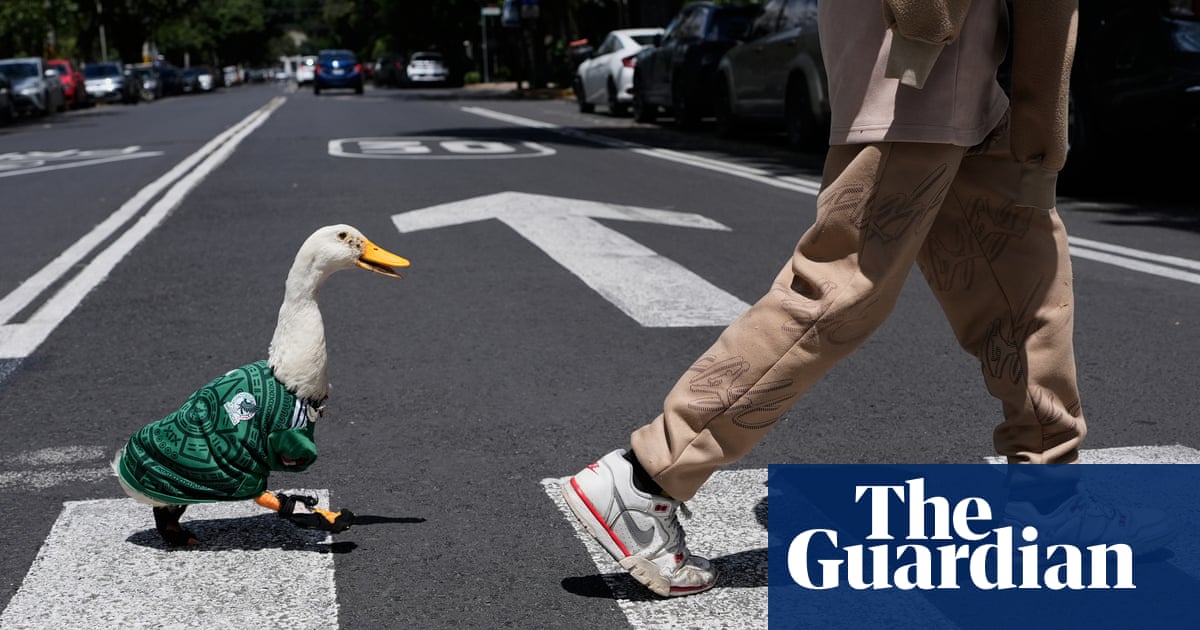
Duck, duck, goal: bird dressed in Mexico’s World Cup jersey scores on social media – The Guardian
A bird wearing a Mexico national team World Cup jersey gained international attention after a video showing the animal “scoring” a goal circulated on social media. The clip, which features a small bird in a miniature version of the iconic green kit, has become a viral sensation among football fans and animal lovers alike.
What happened in the viral Mexico jersey bird video?
The footage captures a bird, appearing to be a duck or similar waterfowl, outfitted in a custom-made Mexico national team jersey. In the video, the bird interacts with a small football, eventually pushing the ball into a miniature goal. The clip quickly spread across platforms such as X (formerly Twitter), TikTok, and Instagram, where users praised the animal’s “athleticism” and the detail of the tiny sports apparel.
Social media users have shared the clip widely, often pairing it with captions celebrating the passion of Mexican football fans. The video does not specify the location of the recording, but the use of the Mexico kit suggests a connection to the deep-rooted football culture associated with the North American nation.
Key elements of the viral event include:
- The Attire: A scaled-down version of the Mexico World Cup jersey.
- The Action: The bird successfully navigating a ball into a goal.
- The Reach: Thousands of shares and likes across multiple global social networks.
Why is this video trending among football fans?
The popularity of the “Duck, duck, goal: bird dressed in Mexico’s World Cup jersey scores on social media – The Guardian” topic stems from a combination of “cute” animal content and the intense emotional investment of sports fandom. Football, particularly in Mexico, is more than a sport; it is a central part of national identity. Seeing a non-human entity “supporting” the team creates a whimsical narrative that resonates with fans.
According to digital trends in sports media, “wholesome” content often serves as a counter-balance to the high-stress environment of professional tournaments. While professional matches are defined by tension and competition, animal-centric clips provide a lighthearted entry point for fans to engage with their team’s brand.
“The intersection of pet culture and sports loyalty creates a unique form of viral engagement that transcends language barriers,” says social media analysis of current sports trends.
The role of the Mexico national team in viral sports culture
Mexico’s national team, often referred to as El Tri, possesses one of the most loyal and vocal fanbases in the world. This cultural backdrop amplifies the reach of any content featuring the team’s colors. The green jersey is a powerful symbol, and placing it on an animal transforms a simple pet video into a statement of sporting passion.

Historically, Mexican fans have used creative ways to show support, from elaborate costumes to massive street parties. A bird in a jersey fits perfectly into this tradition of exuberant fandom. This specific trend highlights how national identity is projected onto pets, turning them into unofficial mascots for the community.
Comparison of Viral Sports Animal Trends
This event is part of a broader pattern where animals are integrated into sports narratives. The following table compares the “Mexico Jersey Bird” with other common types of viral sports animal content.
| Animal Type | Common Action | Primary Appeal | Typical Reach |
|---|---|---|---|
| Bird/Duck | Scoring goals/Wearing kits | Whimsy and novelty | High (Global) |
| Dogs | Dribbling/Fetching balls | Skill and loyalty | Very High (Niche) |
| Cats | “Judging” matches/Sleeping on kits | Humor and irony | Extreme (Meme-based) |
How social media algorithms amplify animal sports content
The rapid spread of the bird’s goal is not accidental. Algorithms on platforms like TikTok and Instagram prioritize “high-completion rate” videos—clips that users watch until the very end. Because the video builds anticipation toward the “goal,” users are likely to watch the entire duration, signaling to the algorithm that the content is high-quality.
Furthermore, the use of specific hashtags related to the World Cup and the Mexico national team pushes the video into the feeds of millions of sports enthusiasts who may not typically follow animal content. This “cross-pollination” of interests is what allows a niche clip to reach a global audience.
Factors contributing to the viral nature of the clip include:
- Visual Contrast: A small bird in a professional sports jersey creates an immediate visual hook.
- Universal Language: Scoring a goal is a globally understood achievement, requiring no translation.
- Short Duration: The clip is concise, making it ideal for “Stories” and “Reels” formats.
The psychology of ‘cute’ content in high-stakes sports
Psychologically, the appeal of a bird scoring a goal in a Mexico jersey relates to “baby schema” (Kindchenschema), a set of physical features that trigger caretaking behaviors and positive emotions in humans. When these features are combined with the excitement of football, the result is a potent emotional trigger.
During major tournaments, fans experience significant stress and anxiety. Viral clips like this act as a psychological “pressure valve.” They allow fans to remain connected to the sport and their team without the emotional risk of a loss or the frustration of a poor performance. By shifting the focus from professional athletes to a dressed-up bird, the community finds a shared, low-stakes point of joy.
This phenomenon is similar to the rise of “fan-pets” seen in other sports, such as NBA dogs or MLB cats, where the animal becomes a proxy for the fan’s own hopes and dreams for the team.
Common misconceptions about viral animal videos
While these videos are entertaining, they often lead to misunderstandings regarding animal behavior and training. In the case of the goal-scoring bird, some viewers may assume the bird has an innate understanding of the game of football. In reality, such behaviors are typically the result of basic positive reinforcement or the natural foraging instincts of the bird being channeled toward a moving object.
Additionally, there is often a debate regarding the safety of dressing animals in clothing. Animal welfare advocates suggest that while a lightweight jersey may be harmless for a short period, pets should never be stressed or restricted by costumes. In the viral footage, the bird appears comfortable, but experts remind owners to prioritize the animal’s well-being over social media engagement.
Key points on animal content safety:
- Comfort First: Clothing should not restrict movement or breathing.
- Stress Monitoring: Signs of distress (pacing, panting, trying to remove the item) mean the activity should stop.
- Environment: Ensure the “playing field” is safe and free of hazards for the animal.
Broader implications for sports marketing
The success of the “Duck, duck, goal” narrative demonstrates a shift in how sports brands can engage with audiences. Traditional marketing relies on high-production commercials and star athletes. However, organic, user-generated content (UGC)—like a bird in a jersey—often generates more authentic engagement.
Brands are increasingly looking for “organic” hooks. While the bird’s video was likely a private owner’s creation, it provides a blueprint for how teams can humanize their brand. By embracing the quirky and the unexpected, sports organizations can reach demographics that are not interested in the technical aspects of the game but are drawn to the culture surrounding it.
This approach is often more effective because it does not feel like an advertisement. It feels like a shared community moment, which builds a deeper, more emotional connection between the fan and the team’s identity.
The evolution of the ‘Mascot’ in the digital age
Traditionally, sports mascots were hired professionals in heavy suits who performed halftime shows. In the digital era, the “mascot” has evolved into a decentralized concept. Any fan, or even their pet, can become a temporary mascot for the team through a single viral clip.
The bird in the Mexico jersey is a prime example of this “accidental mascot” phenomenon. It doesn’t have an official contract with the federation, yet for a brief window of time, it represents the spirit of the fanbase more effectively than an official corporate mascot could. This democratization of team representation allows fans to feel a more personal ownership of the team’s image.
Related concepts to explore on this site include a related explainer on viral marketing trends and a deep dive into football fan psychology.
Frequently Asked Questions
What kind of bird is in the viral Mexico jersey video?
While not officially identified in every caption, the bird appears to be a duck or a similar waterfowl based on its beak shape and waddling gait. The specific breed is less important to the viral trend than the visual of the bird wearing the miniature kit.
Is the bird’s jersey an official Mexico national team product?
Most reports indicate that the jersey is a custom-made miniature version. Official team stores typically do not sell pet-sized apparel, meaning the owner likely commissioned or crafted the garment to fit the bird.

Why did this video go viral specifically with a Mexico jersey?
The Mexico national team has one of the largest and most active digital footprints in global football. The combination of a passionate fanbase and the striking green color of the jersey makes the content highly shareable within the “football Twitter” and “football TikTok” ecosystems.
Are there other animals that have “scored” goals on social media?
Yes, there is a long history of viral “athlete pets,” including dogs that can dribble a ball and cats that “defend” goals. However, the novelty of a bird—especially one dressed in a specific national team kit—adds a layer of uniqueness that helps it stand out from typical pet videos.
Does this video have any official connection to the Mexican Football Federation?
There is no evidence that the video was an official campaign by the federation. It appears to be an organic post by a pet owner that was picked up by the wider community and subsequently reported on by various news outlets.
