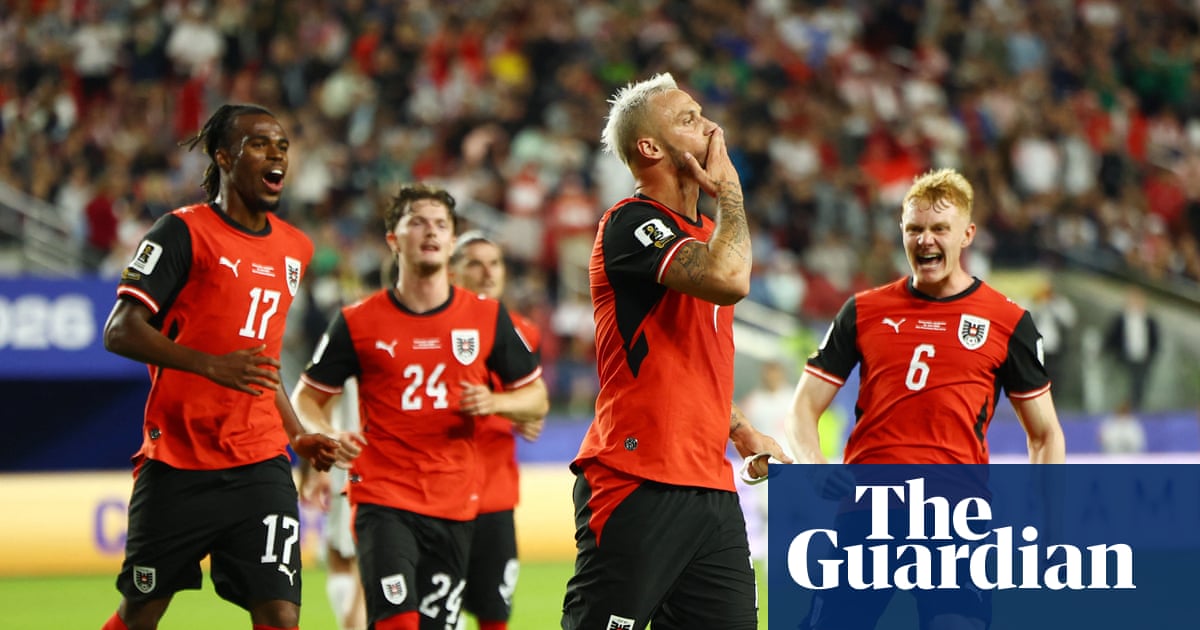
Marko Arnautovic’s Late Goal Seals Austria’s Victory Over World Cup Debutants Jordan
Austria secured a 3-1 victory over Jordan in their FIFA World Cup 2026 Group J opener, with Marko Arnautovic’s late goal adding a touch of flair to a match that highlighted the Central European nation’s determination and Jordan’s resilience as a first-time tournament participant. The win marks a significant step for Austria, which has struggled to qualify for major tournaments in recent decades, while Jordan’s debut on the global stage underscores the growing reach of international football.
The Match in Context: A Debutant’s Challenge
For Jordan, the 2026 World Cup represented a historic milestone. The West Asian nation, which last qualified for the 1994 tournament, entered the competition as one of the most anticipated debutants. Their journey to the World Cup had been marked by a 12-year campaign, including a 2022 FIFA World Cup qualifier against Iran that ended in a 1-1 draw. However, the challenge of facing an established European side like Austria was immense.
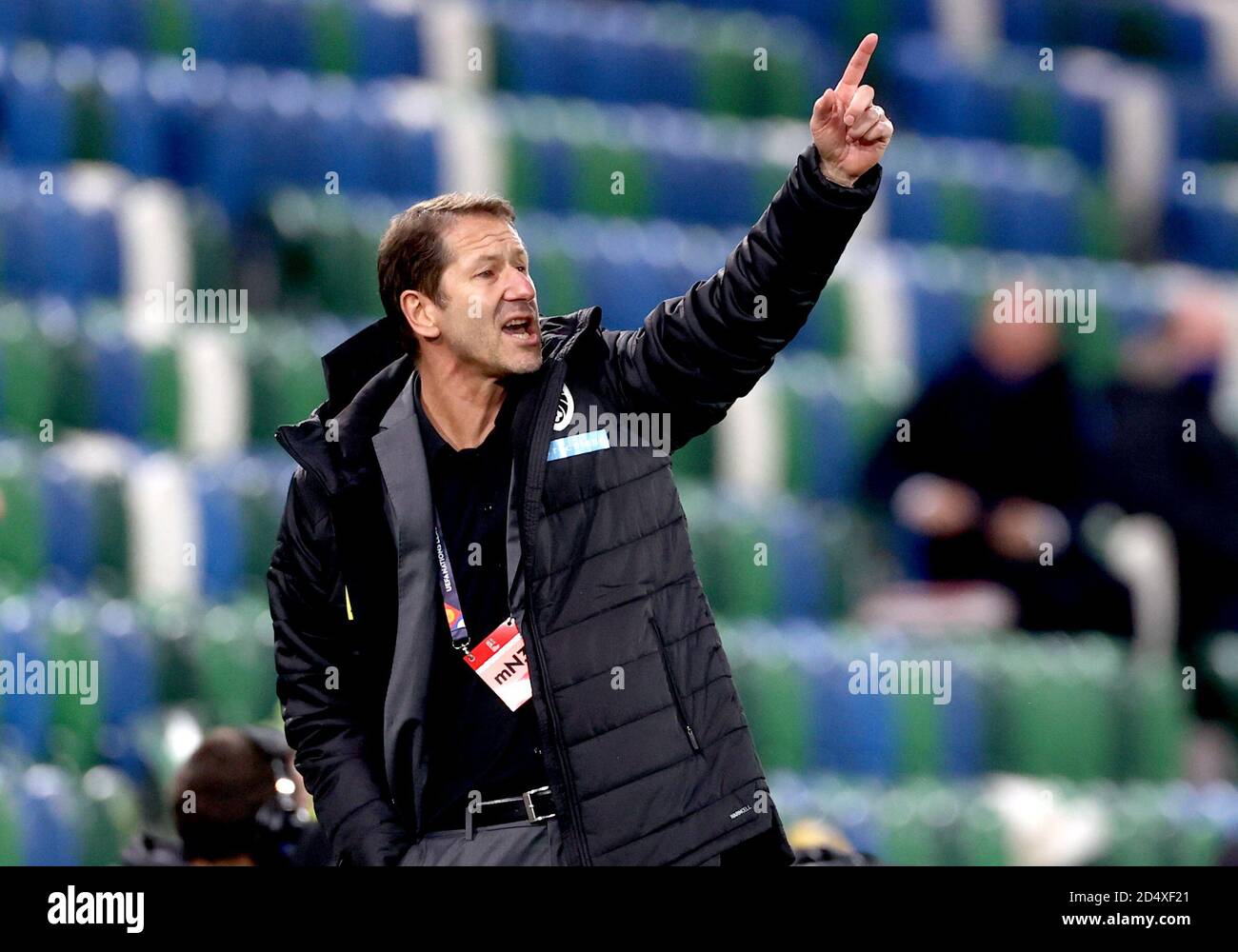
Austria, meanwhile, approached the match with a mix of optimism and caution. The team had not advanced beyond the group stage in their last three World Cup appearances, but their 2026 campaign was seen as an opportunity to break that streak. Manager Franco Foda, who took charge in 2023, emphasized the importance of a strong start, stating, “We need to show we are ready to compete at the highest level.”
The match itself was a test of tactical discipline. Austria’s strategy revolved around controlling possession and exploiting Jordan’s defensive vulnerabilities, while Jordan aimed to counter with quick transitions and set-piece threats. The first half saw both teams struggle to create clear chances, with Austria’s Stefan Lainer and Jordan’s Firas Al-Khatib coming closest to scoring.
Goals, Momentum, and the Turning Point
The breakthrough came in the 38th minute when Austria’s Sebastian Schmid opened the scoring. A well-timed run down the left flank allowed Schmid to cut inside and fire a low shot into the bottom corner. The goal, described by Austrian media as “a moment of brilliance,” shifted the momentum in favor of the hosts. Schmid, who had previously been a fringe player for the national team, capitalized on a rare opportunity to cement his place in the starting XI.
Jordan responded with characteristic tenacity. In the 62nd minute, the visitors equalized through a set-piece routine. A corner from Basel midfielder Yousef Al-Bulaihi was met by the head of Hikmat Shaker, who rose above the Austrian defense to nod the ball into the net. The goal sparked a surge of confidence in the Jordanian camp, with players visibly energized by the prospect of holding their ground.
The decisive moment arrived in the 82nd minute when Arnautovic, Austria’s veteran forward, added a touch of class to the scoreline. After a swift counterattack, Arnautovic received a through ball from Matthias Ginter and calmly converted it, sending the Austrian crowd into a frenzy. The goal, which came just three minutes after a controversial offside call had denied Jordan a potential second goal, underscored the winger’s enduring influence on the team.
Arnautovic’s contribution extended beyond the goal. The 35-year-old, who has scored 30 goals in 120 appearances for Austria, was instrumental in linking play and creating chances. His ability to adapt to different roles—whether as a striker, winger, or false nine—has made him a key figure for the national team. “Marko’s experience and composure under pressure are invaluable,” said Foda after the match. “He’s the kind of player who can change a game in an instant.”
Key Players and Tactical Insights
The match highlighted the contrasting styles of the two teams. Austria’s possession-based approach, rooted in the philosophy of their coach, emphasized control and precision. The midfield trio of Marcel Sabitzer, Gregor Kobel, and Andreas Ulmer dominated the central areas, with Sabitzer particularly notable for his distribution and defensive work rate.
Jordan, on the other hand, relied on individual flair and tactical discipline. The team’s defense, marshaled by captain Firas Al-Khatib, was a fortress for much of the game, with goalkeeper Faisal Haddad making a string of saves, including a crucial stop in the 75th minute to deny Arnautovic. However, the lack of a reliable striker and the absence of a creative playmaker limited their ability to capitalize on chances.
One of the most intriguing aspects of the match was the role of Arnautovic. Despite being 35, the forward’s physicality and technical skills remained a threat. His movement off the ball, combined with his experience in European leagues, allowed him to exploit spaces that younger players might overlook. “He’s a player who knows how to read the game,” said Jordanian coach Amadou Daffé. “We tried to mark him closely, but he always found a way to get into the right position.”
Historical Significance and Implications
The result has broader implications for both nations. For Austria, the win sets them on a path to potentially advancing from Group J, which also includes Iran and the United States. The team’s performance against Jordan demonstrated their capacity to compete with underdog sides, a trait that could prove crucial in the knockout stages. However, questions remain about their ability to maintain consistency against stronger opponents.

Jordan’s debut, while not a victory, was a testament to their progress. The team’s ability to hold their own against a higher-ranked side suggests that their investment in youth development and infrastructure is paying dividends. The match also provided a platform for emerging talents like Al-Bulaihi and Shaker, who will be key figures in the team’s future campaigns.
The game also drew attention to the growing competitiveness of football in the Middle East. Jordan’s qualification, alongside nations like Iraq and Saudi Arabia, reflects a shift in the global football landscape. “This is a new era for Asian football,” said FIFA official David Triesman. “The quality of teams from the region is improving, and we’re seeing more balanced competition.”
Reactions and Expert Analysis
Post-match reactions highlighted the significance of the result. Austrian media praised the team’s resilience, with Der Standard declaring, “Austria showed they are not to be underestimated.” Jordanian outlets, meanwhile, focused on the positives, with Al-Rai noting, “This is just the beginning for our national team.”
Experts also weighed in on the tactical nuances of the match. Football analyst John Healy, who has covered multiple World Cups, pointed to the importance of set-pieces. “Both teams used them effectively,” he said. “Jordan’s equalizer was a textbook example of a
