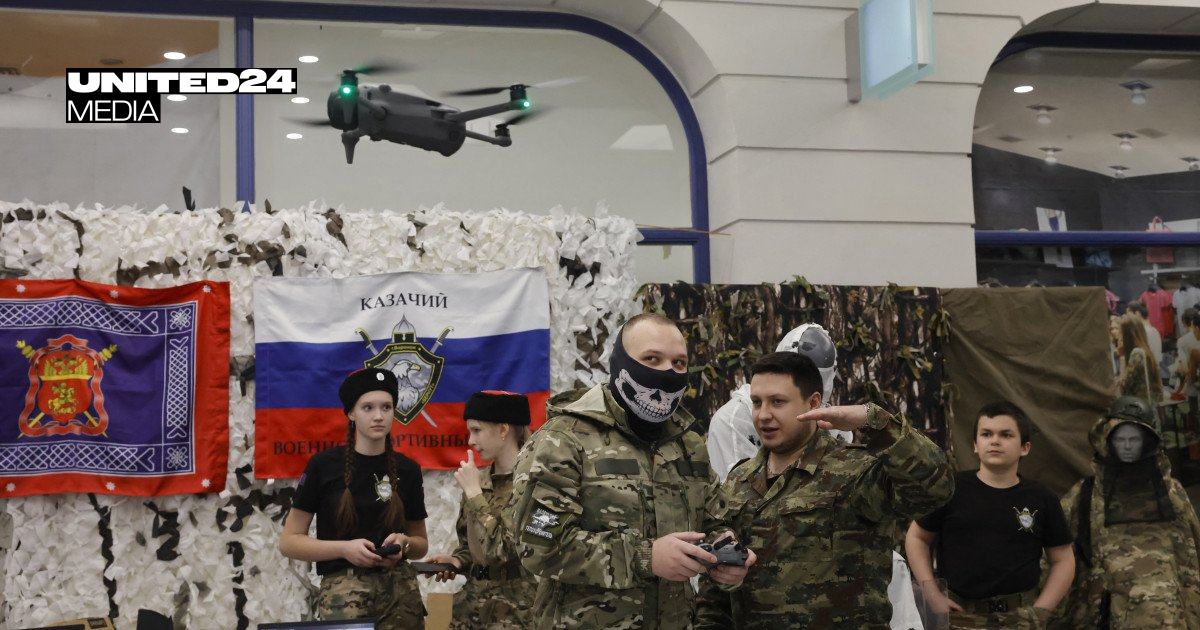
Russia Is Using Drones to Test NATO’s Air Defenses, Zelenskyy Warns – UNITED24 Media: Analyzing the New Threat to Europe’s Eastern Flank
The security architecture of Europe is facing a sophisticated and evolving challenge as unmanned aerial vehicles (UAVs) increasingly blur the line between active combat zones and sovereign NATO territory. In a stark alert that has reverberated through Western capitals, President Volodymyr Zelenskyy has asserted that Russia is using drones to test NATO’s air defenses, Zelenskyy warns – UNITED24 Media, suggesting that the Kremlin is not merely conducting erratic incursions but is systematically probing the readiness, response times and radar capabilities of the Alliance’s eastern flank.
This pattern of “gray zone” warfare—actions that fall below the threshold of open conflict but are designed to destabilize and intimidate—has placed the Baltic states in a precarious position. As drones frequently stray into the airspace of Latvia, Lithuania, and Estonia, the geopolitical stakes have shifted. What were once dismissed as navigational errors are now being viewed as calculated intelligence-gathering missions intended to map the blind spots of Western air defense systems.
The Mechanics of Probing: Why Russia Uses Drones to Test NATO
To understand the gravity of the warning that Russia is using drones to test NATO’s air defenses, This proves necessary to examine the strategic utility of these incursions. In modern electronic warfare, knowing exactly how an opponent reacts to a threat is as valuable as the threat itself. By sending drones into NATO-controlled airspace, the Russian military can gather critical data without triggering a full-scale military escalation.
When a drone enters the airspace of a NATO member, the Alliance’s integrated air and missile defense (IAMD) systems are activated. Russian intelligence monitors these responses in real-time, looking for specific indicators:
- Detection Latency: How long does it take for NATO radar to identify the intruder?
- Response Protocols: Do the Baltic states scramble fighter jets immediately, or is there a delay in command-and-control communication?
- Radar Signatures: Which specific radar frequencies are being used to track the drones, and can those frequencies be jammed or spoofed?
- Interception Thresholds: At what point does NATO decide to shoot down a drone versus attempting to escort it out of the airspace?
“The goal of these incursions is rarely the destruction of a target within NATO borders, but rather the mapping of the invisible wall that protects Europe. Every drone that enters and exits NATO airspace provides a data point for the Kremlin’s future strategic planning.”
The Role of “Errant” Drones in Hybrid Warfare
A recurring theme in these incidents is the claim of “errant” drones. While some UAVs may indeed lose signal or drift due to weather, the frequency and timing of these incursions suggest a deliberate strategy. By maintaining a level of plausible deniability, Russia can keep NATO in a state of constant high alert, causing psychological fatigue among military personnel and political friction among allies.

This approach is a cornerstone of hybrid warfare: creating a “new normal” where airspace violations are common enough to be ignored, but dangerous enough to create vulnerabilities. If NATO becomes desensitized to these incursions, a more significant attack could potentially slip through undetected.
The Baltic Vulnerability: Closing the Defense Gaps
The Baltic states—Estonia, Latvia, and Lithuania—are the primary targets of these probes due to their geographic proximity to Russia and Belarus. For years, these nations have relied on NATO’s “Air Policing” missions, where rotating allies provide fighter jet coverage. However, the rise of low-cost, low-flying drones has exposed a critical flaw: traditional fighter jets are not the most efficient tool for countering modest UAVs.
The European Union and NATO are now racing to fix these “defense gaps.” The focus has shifted from high-altitude interceptors to short-range air defense (SHORAD) systems and electronic warfare (EW) capabilities that can jam drone signals without needing to launch a missile.
| Defense Layer | Traditional Focus | New Requirement (Drone Era) |
|---|---|---|
| Detection | Long-range strategic radar | Low-altitude, high-resolution sensors |
| Interception | Fighter jets (F-16, Eurofighter) | Anti-drone guns, EW jammers, SHORAD |
| Strategy | Deterrence of aircraft/missiles | Counter-UAS (Unmanned Aircraft Systems) |
| Infrastructure | Airbases and runways | Distributed sensor networks and shelters |
Learning from the Ukrainian Frontline
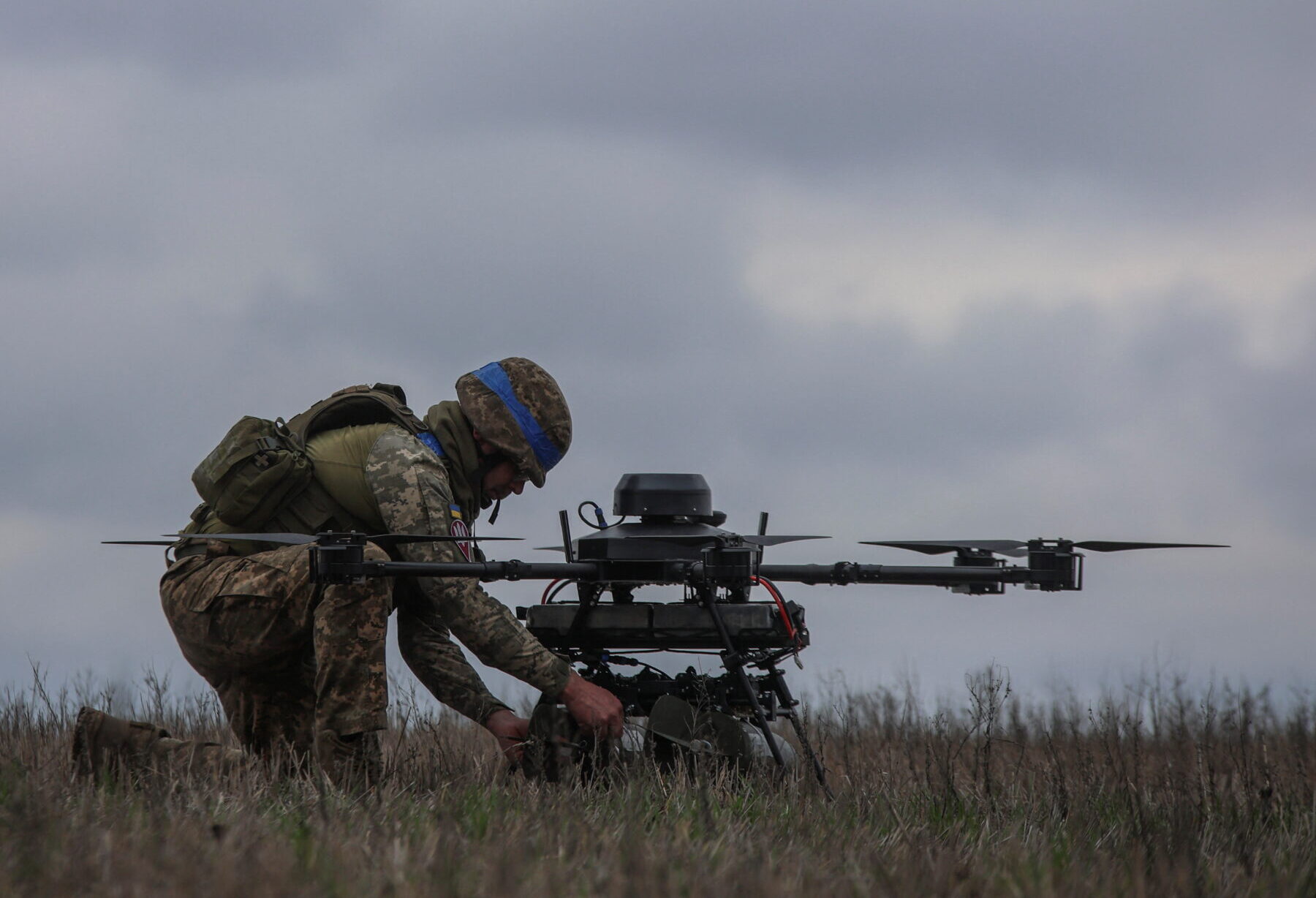
In a striking reversal of roles, the Baltic states are now turning to Ukraine for expertise. While the West provides Ukraine with weapons, Ukraine is providing the Baltics with “battle-hardened” knowledge on how to survive a drone-saturated environment. This includes everything from the deployment of mobile jamming units to the construction of specialized bomb shelters.
The Baltic governments have recognized that the urban landscapes of Riga, Tallinn, and Vilnius are not prepared for the type of aerial attrition seen in Ukrainian cities. There is a growing movement to implement Ukrainian-style civil defense measures, prioritizing the protection of civilian populations from “loitering munitions” (kamikaze drones) that can strike with precision.
For more information on the evolution of these systems, see our related explainer on electronic warfare in modern conflict.
The Diplomatic Friction: Ukrainian Strikes and NATO’s Dilemma
While the warning that Russia is using drones to test NATO’s air defenses serves as a call for unity, the reality on the ground is more complex. A significant point of tension has emerged regarding Ukraine’s own use of long-range drones to strike targets deep inside Russian territory.
From Kyiv’s perspective, these strikes are essential for degrading Russia’s ability to launch attacks on Ukrainian cities. By hitting oil refineries, ammunition depots, and airfields, Ukraine disrupts the Russian war machine. However, for some NATO allies, these operations are a source of anxiety.
The Risk of Miscalculation
The primary fear among Western diplomats is “miscalculation.” If a Ukrainian drone, launched from Ukrainian soil, were to accidentally cross into NATO airspace or strike a target that triggers a disproportionate Russian response, the risk of a direct NATO-Russia clash increases. Some allies worry that strikes inside Russia could push the Kremlin to further escalate its “testing” of NATO defenses, potentially leading to more aggressive incursions.
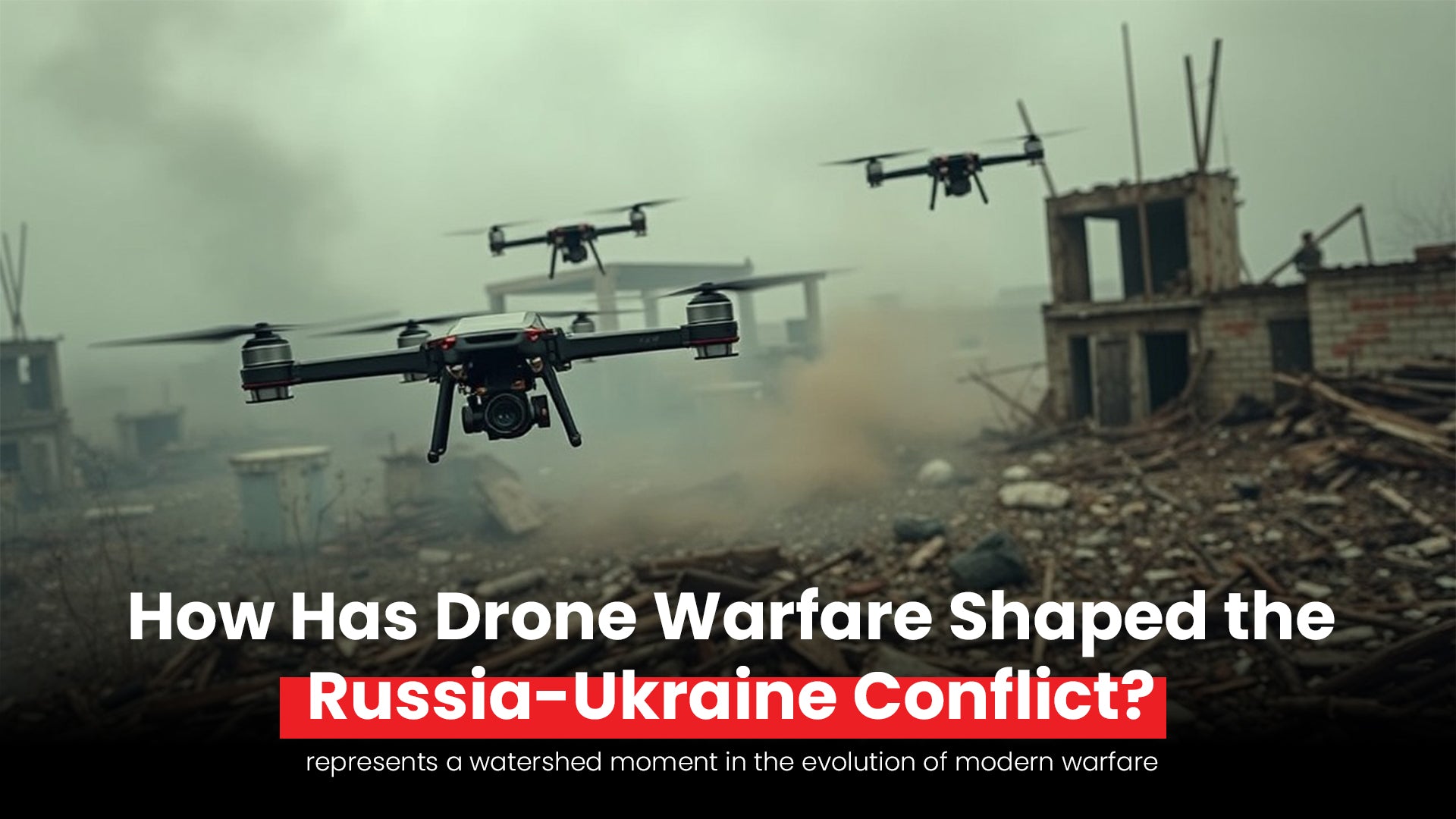
This creates a paradoxical situation:
- Ukraine needs the freedom to strike Russian logistics to win the war.
- The Baltic States want maximum NATO protection against Russian probes.
- Major NATO Powers (like the US and Germany) seek to avoid being dragged into a direct confrontation with a nuclear-armed Russia.
This tension highlights the fragility of the “eastern flank” strategy. The very drones that Ukraine uses to defend itself are viewed by some NATO members as a catalyst for instability, even as those same members acknowledge that Russia is using similar technology to probe their own borders.
Broader Implications for Global Security
The situation in Eastern Europe is a bellwether for the future of global security. The “democratization” of drone technology means that state and non-state actors can now conduct sophisticated reconnaissance and strike missions at a fraction of the cost of traditional aircraft. The warning that Russia is using drones to test NATO’s air defenses is not just a regional issue; it is a blueprint for how future conflicts will be initiated.
The Shift Toward “Active Defense”
NATO is moving away from a purely reactive posture toward “active defense.” This involves not only detecting intruders but proactively denying them the ability to operate. This includes the deployment of “counter-drone” umbrellas over critical infrastructure and the integration of AI-driven detection systems that can distinguish between a bird, a civilian drone, and a military probe in milliseconds.
the psychological impact of these incursions cannot be overstated. When citizens in the Baltics see drones in their skies, it erodes the sense of security provided by the NATO umbrella. This “security anxiety” is a primary goal of Russian hybrid strategy, aiming to create cracks in the political will of NATO member states.
Correcting Common Misconceptions
To fully understand this conflict, it is important to dispel several myths regarding drone incursions and air defense:
Myth 1: “A drone in NATO airspace is a sign of weakness.”
Reality: Not necessarily. The fact that drones are detected and tracked shows the systems are working. The danger lies not in the entry of the drone, but in the data the drone collects while it is being tracked.
Myth 2: “Shooting down every drone is the best solution.”
Reality: Intercepting every small drone with expensive missiles is economically unsustainable (the “cost-exchange ratio”). A $20,000 drone should not be countered by a $2 million missile. This is why electronic jamming and directed-energy weapons are the real priority.
Myth 3: “These incursions are unrelated to the war in Ukraine.”
Reality: They are deeply interconnected. The drones used to probe NATO are often the same models (such as the Iranian-designed Shahed) used in Ukraine. The “tests” are essentially a way for Russia to see if the defenses protecting NATO are different or more advanced than those protecting Ukraine.
Key Strategic Takeaways
As the situation evolves, several core themes emerge that will define the security of Europe’s eastern flank in the coming years:
- The Intelligence War: The battle is no longer just about territory, but about “spectral dominance”—who controls the radar and the airwaves.
- Asymmetric Vulnerability: Small, cheap drones have created a disproportionate challenge for expensive, traditional air defense systems.
- The Baltic-Ukrainian Synergy: A new security axis is forming where Baltic states provide political and material support to Ukraine, while Ukraine provides the “combat playbook” for drone defense.
- The Escalation Ladder: Every drone incursion is a rung on the ladder of escalation. The challenge for NATO is to respond firmly enough to deter Russia, but not so aggressively that it triggers a wider war.
For those tracking the geopolitical shifts in the region, it is recommended to follow updates on NATO’s new Air Command structures and the deployment of the “Enhanced Air Shield” initiatives across the EU.
Frequently Asked Questions
Why is Russia testing NATO air defenses with drones instead of planes?
Drones are lower-cost, carry less political risk, and have different radar signatures than manned aircraft. If a drone is shot down, Russia loses a piece of hardware; if a pilot is captured or killed, it becomes a major international incident. Drones allow Russia to probe defenses with “plausible deniability.”
What does “gray zone warfare” mean in this context?
Gray zone warfare refers to activities that are aggressive and coercive but remain below the threshold that would trigger a formal military response (like NATO’s Article 5). Drone incursions are a classic example: they are violations of sovereignty, but they are rarely seen as “acts of war” sufficient to launch a full-scale counter-attack.
How are the Baltic states improving their defenses?
The Baltic states are investing in short-range air defense (SHORAD) systems, increasing their electronic warfare (EW) capabilities to jam drone signals, and upgrading civilian infrastructure (like bomb shelters) based on lessons learned from the war in Ukraine.
Does the warning that Russia is using drones to test NATO’s air defenses mean a war is imminent?
Not necessarily. These probes are often used as a tool of intimidation and intelligence gathering rather than a precursor to an immediate invasion. However, they do indicate that Russia is preparing for various contingencies and assessing how the West would react to a potential escalation.
How do Ukrainian strikes inside Russia affect NATO’s position?
These strikes create a diplomatic tightrope. While NATO supports Ukraine’s right to defend itself, there is a fear that strikes deep inside Russia could lead to “accidental” incursions into NATO territory or provoke Russia into expanding its targets to include NATO logistics hubs in Poland or Romania.
The ongoing tension on the eastern flank underscores a fundamental shift in modern conflict. The warning that Russia is using drones to test NATO’s air defenses, Zelenskyy warns – UNITED24 Media, is a reminder that the front line of the war in Ukraine is not a static line on a map, but a fluid, invisible boundary that extends across the entire European continent. As the technology evolves, so too must the strategies of those tasked with defending the peace.
