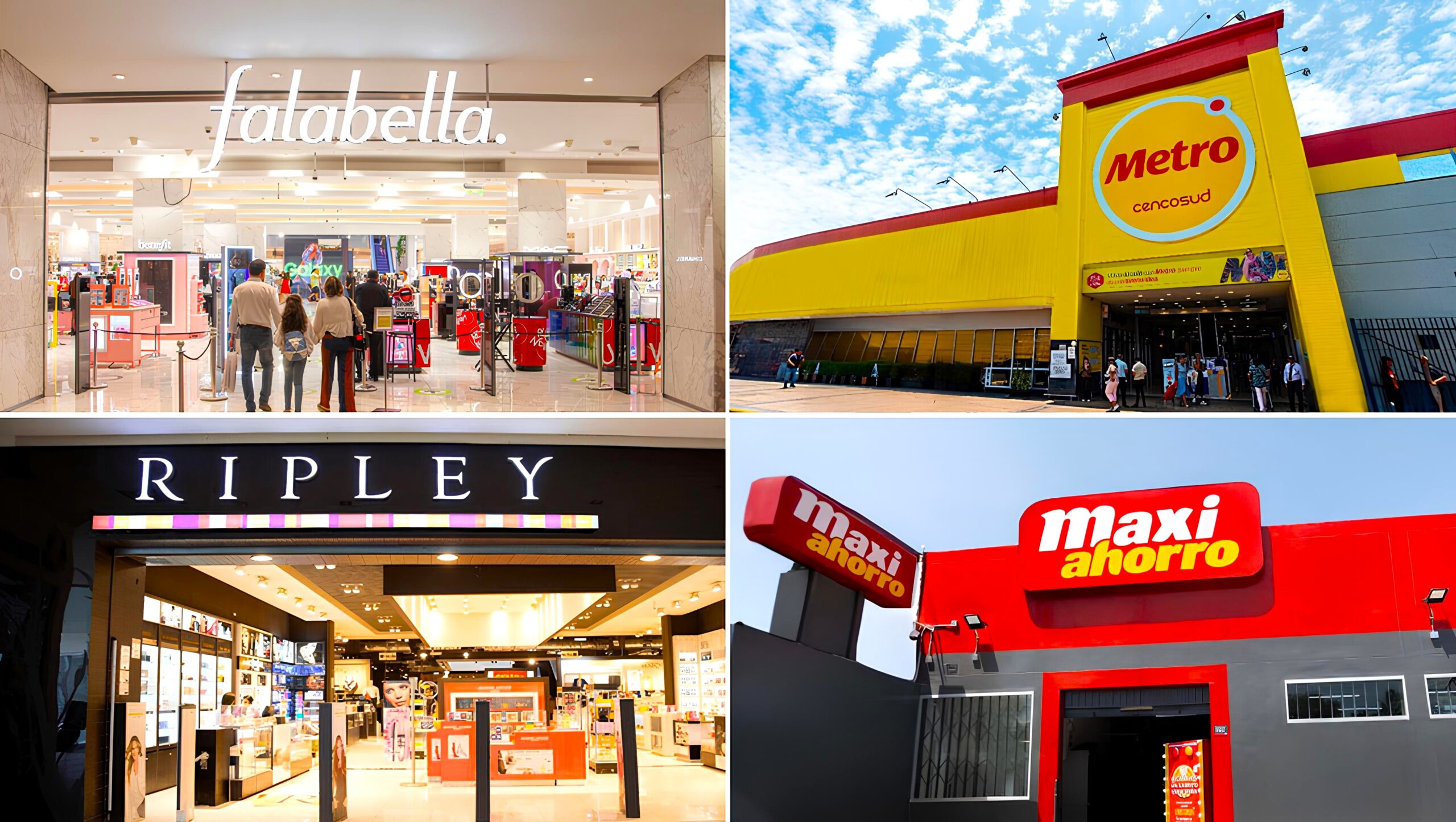
The retail sector in the region is currently defined by a stark divergence in performance, creating a landscape of clear winners and losers. While Falabella has managed to carve out a position of strength, other major players including Cencosud and Ripley are struggling to maintain momentum, and SMU is seeing its market footprint shrink.
Falabella’s Strategic Resilience
Amidst a challenging macroeconomic environment, Falabella has emerged as the standout performer. The company’s ability to “shine” in the current climate suggests a more successful adaptation to shifting consumer habits and a more resilient operational structure than its immediate peers. This performance indicates that the company’s recent strategic pivots—likely focusing on digital integration and ecosystem optimization—are yielding results that insulate it from the broader downturn affecting the retail category.
Financial Headwinds for Cencosud and Ripley
In contrast, Cencosud and Ripley are facing significant operational strain. The “suffering” of these two giants is closely tied to the broader economic pressures weighing on the Southern Cone and Andean markets. High inflation and elevated interest rates have tightened consumer wallets, reducing discretionary spending on the durable goods and apparel that these retailers rely on.
for retailers like Ripley and Cencosud, which often maintain integrated financial services, rising borrowing costs can create a double-edged sword: they increase the cost of capital for the company while simultaneously making credit more expensive for the customers who drive their sales.
Market Share Erosion at SMU
The supermarket segment is seeing its own set of challenges, with SMU losing ground to competitors. In the grocery sector, market share is often a zero-sum game. SMU’s loss of territory suggests a failure to keep pace with the aggressive pricing strategies or the logistical efficiencies of rival chains. As consumers increasingly migrate toward “hard discount” models to combat the rising cost of living, players that cannot optimize their supply chains or pricing models quickly lose their grip on the middle-market consumer.
The Economic Driver: Why Divergence Happens
This split in retail health is not accidental; it is a reflection of how different business models react to monetary tightening. When central banks raise interest rates to fight inflation, the impact is felt unevenly across the sector:
- Debt Sensitivity: Companies with higher leverage or those heavily reliant on consumer credit (like department stores) suffer more than those with leaner balance sheets.
- Digital Efficiency: Retailers that have successfully transitioned to omnichannel commerce can reduce overhead and reach customers more cheaply.
- Price Elasticity: Supermarkets that cannot pivot their product mix to offer lower-cost alternatives see an immediate exodus of price-sensitive shoppers.
For the average consumer, this divergence typically leads to a more fragmented shopping experience, where some retailers may offer aggressive promotions to clear inventory while others tighten their belts, potentially reducing service levels or store footprints.
