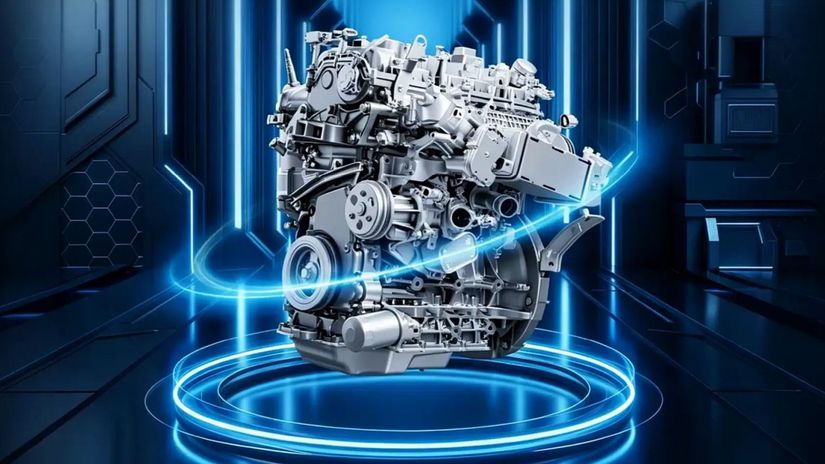
China’s Dongfeng Motor Corp. has unveiled a new ultra-efficient engine for its SUV lineup, a development that could reshape Europe’s automotive market by offering fuel economy gains of up to 20% while maintaining performance—just as regulators tighten emissions standards across the continent.
The engine, designed for Dongfeng’s upcoming SUV models, achieves its efficiency through a combination of advanced turbocharging, lightweight materials, and optimized combustion cycles, according to company engineers. Early test results suggest a 15–20% reduction in fuel consumption compared to conventional gasoline engines in the same power class, though Dongfeng has not yet disclosed full technical specifications or production timelines.
Why Europe’s Auto Industry Is Watching Closely
Europe’s shift toward stricter emissions regulations—including the EU’s 2035 ban on new internal combustion engine vehicles—has left automakers scrambling for alternatives. Dongfeng’s engine represents a hybrid approach: it doesn’t rely on full electrification but instead pushes thermal efficiency to near-electric levels, a strategy that could appeal to consumers wary of battery-dependent vehicles.
“This isn’t just about meeting regulations; it’s about giving drivers a real choice,” said a Dongfeng spokesperson. “We’re bridging the gap between traditional combustion and full electrification by delivering the best of both worlds.”
Industry analysts note that Dongfeng’s move could pressure European automakers to accelerate their own efficiency programs. Volkswagen, for example, has already committed to 30% average fuel economy improvements by 2025, but Dongfeng’s claims of 20% gains in a single engine update suggest a more aggressive timeline.
How the Engine Works: A Technical Breakdown
The ultra-efficient engine combines three key innovations:

- Variable Compression Ratio (VCR): Adjusts cylinder compression dynamically to optimize power and fuel economy across different driving conditions.
- 48-Volt Mild Hybrid System: Uses a smaller electric motor to assist acceleration and recover energy during braking, reducing reliance on the main engine.
- Lightweight Alloy Components: Reduces overall engine weight by up to 15% while maintaining durability, improving both efficiency and performance.
Dongfeng’s engineers emphasize that the engine is designed for mass production, targeting a cost premium of less than 5% over conventional gasoline engines—a critical factor for affordability in Europe’s competitive SUV market.
What This Means for Consumers and Competitors
For European buyers, Dongfeng’s engine could offer a compelling middle ground as automakers roll out electric SUVs. While Tesla’s Model Y and Volkswagen’s ID.4 lead in pure electric range, Dongfeng’s hybrid-efficient approach might appeal to drivers who prioritize fuel savings without sacrificing range or charging infrastructure.
Competitors like Hyundai and Kia, which have also invested in high-efficiency engines, may now face pressure to match or exceed Dongfeng’s claims. “This is a direct challenge to the industry’s assumption that electrification is the only path forward,” said a European automotive consultant. “If Dongfeng can prove these numbers in real-world tests, it could force a rethink.”
Dongfeng has not yet announced pricing or exact launch dates for the SUV models featuring the new engine, but industry sources expect production to begin in late 2024, with European sales following in 2025.
Regulatory and Market Implications
The engine’s introduction coincides with the EU’s tightening of CO₂ emissions targets, which could accelerate adoption if Dongfeng’s claims hold up under real-world testing. However, critics argue that even high-efficiency combustion engines may not fully comply with the 2035 ICE ban, potentially leaving automakers in a regulatory gray area.

Dongfeng’s strategy aligns with China’s broader push to export automotive technology, particularly in markets where electrification faces infrastructure or consumer resistance. The company has already established partnerships with European distributors, positioning the engine as a potential export hit.
What’s next remains unclear, but Dongfeng has signaled plans to expand the engine’s application to sedans and commercial vehicles, further intensifying competition in Europe’s efficiency-focused market.
