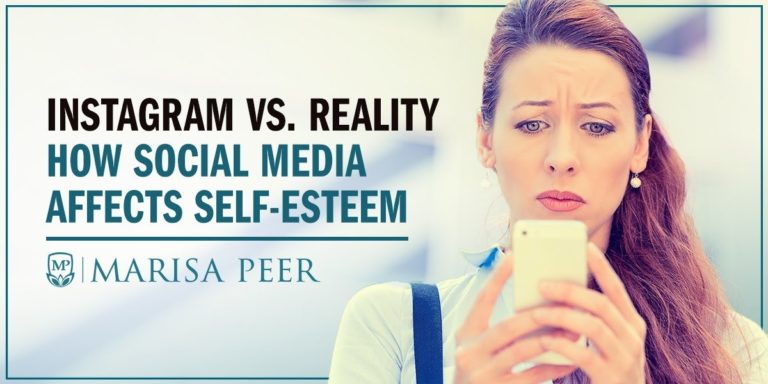
A recent study published by La Presse suggests that frequent use of Instagram may correlate with decreased self-esteem among young users, sparking debate about the platform’s psychological impact. The findings, based on surveys of over 1,500 adolescents and young adults, highlight concerns about how social media metrics influence self-perception.
The research, conducted by a team of psychologists at the University of Montreal, found that individuals who spent more than two hours daily on Instagram reported higher levels of body image dissatisfaction and anxiety compared to those with lighter usage. Participants were asked to track their app interactions and complete standardized mental health assessments over a six-month period.
“The data reveals a clear pattern,” said Dr. Élodie Martin, lead researcher on the project. “Users who frequently compared their lives to curated online personas experienced greater feelings of inadequacy. This isn’t just about appearance—academic and professional achievements also became points of comparison.”
The study specifically noted that features like “likes” and follower counts created measurable stress responses in participants. Researchers observed that 68% of respondents admitted to altering their posting habits to gain more validation, while 42% reported feeling “addicted” to the platform’s feedback loop.
Instagram has not yet issued a public response to the findings. However, the platform has previously acknowledged concerns about mental health, citing its 2022 initiative to hide like counts for users under 18 in select regions.
Experts in digital wellness have called for further research to establish causation rather than correlation. “While this study adds to growing evidence of social media’s dual nature, we need longitudinal data to understand long-term effects,” said Dr. Raj Patel, a neuroscientist at Stanford University.
The debate comes as Meta, Instagram’s parent company, faces ongoing scrutiny over content moderation policies. In 2023, the European Union approved regulations requiring tech companies to conduct regular mental health impact assessments for their platforms.
Key Details
- Study conducted by University of Montreal psychology department
- Sample size: 1,527 participants aged 13-25
- Duration: Six-month tracking period
- 68% of respondents altered posting habits for validation
- 42% reported feeling “addicted” to Instagram’s feedback system
The findings contribute to a broader conversation about digital well-being. As social media usage continues to rise—global active users surpassed 2.5 billion in 2023—mental health professionals emphasize the need for balanced online engagement strategies.
