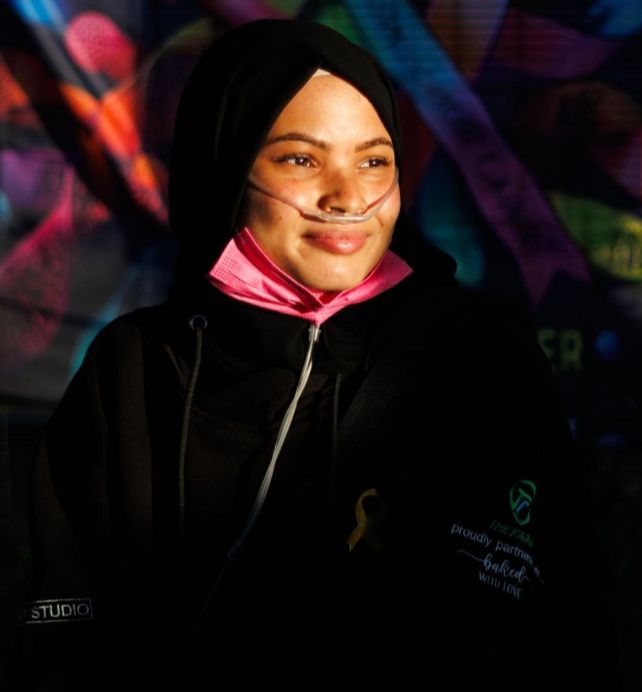
ONE LAST DANCE – Brave Creashy Maart is going out on her own tune by organising a prom for others
Creashy Maart is organizing a community prom for others as she faces a terminal illness, an initiative described as her way of “going out on her own tune.” The event seeks to provide a joyful, celebratory experience for attendees, allowing Maart to establish a positive legacy during her final stages of life.
What is the “One Last Dance” prom initiative?
The event, conceptualized by Creashy Maart, is a formal dance designed to bring people together for a night of celebration and music. According to reports on the initiative, Maart is utilizing her remaining time to coordinate the logistics, guest list, and atmosphere of the prom, shifting the focus from her own medical condition to the happiness of others.
The prom serves as a symbolic gesture of resilience. By organizing a formal event, Maart is creating a space where the typical narrative of terminal illness—which often centers on decline and grief—is replaced by music, fashion, and social connection. The goal is to ensure that her final contributions to her community are marked by joy rather than sorrow.
Key elements of the event include:
- Community Integration: Bringing together friends, family, and community members.
- Celebratory Atmosphere: A focus on music and dance to foster a positive environment.
- Legacy Building: Creating a tangible, happy memory for those who attend.
Who is Creashy Maart and why is she organizing this event?
Creashy Maart is a woman facing a terminal diagnosis who has chosen to spend her final days in an active, altruistic role. Rather than retreating from social life, Maart has opted to lead a public project that benefits others. The decision to organize a prom stems from a desire to maintain agency over her life’s closing chapter.
According to the project’s framing, Maart intends to “go out on her own tune,” a phrase indicating her refusal to let her illness define her identity or her final interactions with the world. By taking on the role of an organizer, she transitions from a patient receiving care to a benefactor providing an experience.
“Brave Creashy Maart is going out on her own tune by organising a prom for others,” reflecting a commitment to leaving a footprint of kindness and celebration.
This approach to terminal illness is often categorized by psychologists as “legacy work,” where individuals create something that will outlast them to find meaning and peace in their final days.
How does this event impact the local community?
The organization of the prom has created a ripple effect within Maart’s social and local circles. The event provides a structured way for the community to support Maart, not through pity, but through participation in her vision. This changes the dynamic of community support from one of passive sympathy to active engagement.
The impact can be broken down into several social dimensions:
| Impact Area | Effect on Attendees | Effect on Creashy Maart |
|---|---|---|
| Emotional | Provides a healthy outlet for grief through celebration. | Offers a sense of purpose and control. |
| Social | Strengthens community bonds and shared memories. | Validates her identity beyond her illness. |
| Psychological | Models resilience and bravery in the face of death. | Reduces the isolation often felt by terminal patients. |
By focusing on the “prom” aspect—a traditional rite of passage associated with youth and new beginnings—Maart is effectively reclaiming a sense of vitality for herself and those around her.
The psychology of legacy projects in palliative care
The actions taken by Creashy Maart align with established patterns in palliative care and thanatology (the study of death). When patients engage in altruistic acts, it often mitigates the “existential distress” associated with terminal diagnoses. By organizing a prom, Maart is practicing a form of generative behavior—the desire to guide or provide for the next generation or the wider community.
Experts in end-of-life care note that maintaining a role of leadership or creativity helps patients maintain their dignity. In this case, the prom is not just a party, but a strategic tool for emotional survival. It allows Maart to dictate the terms of her farewell, ensuring that the memories associated with her name are tied to a night of dancing and laughter.
This differs from traditional mourning processes. While most community responses to terminal illness are reactive (visiting the sick, sending flowers), Maart’s initiative is proactive. She is creating the event that others will remember, rather than being the subject of a memorial event organized by others after her passing.
Related perspectives on coping mechanisms for terminal illness suggest that such projects can significantly improve the quality of life for the patient in their final months.
Common misconceptions about end-of-life celebrations
There is often a misconception that the final stages of a terminal illness must be spent in quiet reflection or medical seclusion. The “One Last Dance” initiative challenges this notion by suggesting that celebration and illness can coexist.
Misconception: Celebrations are “denying” the reality of death
Contrary to the belief that a prom is a form of denial, such events are often a sophisticated way of acknowledging death. By celebrating “one last dance,” Maart is explicitly recognizing that time is limited, which makes the celebration more meaningful, not less.
Misconception: Terminally ill patients lack the energy for large-scale planning
While physical energy may be limited, the psychological drive to complete a legacy project can provide a temporary surge of motivation. Maart’s ability to organize this event demonstrates that mental agency can persist even when physical health declines.
Misconception: These events are purely for the benefit of the survivors
While the guests benefit, the primary psychological gain is often for the organizer. The act of giving—providing a party, a dance, and a memory—serves as a powerful antidote to the feeling of helplessness that accompanies a terminal diagnosis.
Comparison of legacy approaches: Passive vs. Active
To understand the significance of Maart’s choice, it is helpful to compare her “active” legacy approach with more “passive” traditional methods of preparing for the end of life.
- Passive Legacy: Writing a will, organizing photos, or leaving letters to be read after death. These are essential but occur in private and are discovered post-mortem.
- Active Legacy: Organizing a public event, starting a scholarship, or creating a community project. These occur in real-time and allow the individual to witness the impact of their generosity.
Maart’s decision to host a prom falls squarely into the active category. This allows for a bidirectional emotional exchange: she gives the community a celebration, and the community gives her the experience of seeing her vision come to life.
What to expect from the “One Last Dance” event
While specific logistics may vary, the core of the event remains focused on the “prom” experience. This typically involves formal attire, a curated playlist, and a venue that allows for social movement and dance. The focus is on the sensory experience—the sight of dresses and suits, the sound of music, and the physical act of dancing.

The event is expected to serve as a focal point for the community to gather and honor Maart’s spirit. Because the event is organized by Maart herself, the tone is dictated by her preferences, ensuring the night feels like a reflection of her personality rather than a somber gathering.
For those following the story, the event represents a case study in bravery. It highlights the possibility of transforming a period of loss into a period of creation.
Key points regarding the event’s execution:
- Focus: Joy over grief.
- Driver: Personal agency and altruism.
- Outcome: A living memory for the community.
Frequently Asked Questions
Who is Creashy Maart?
Creashy Maart is a woman facing a terminal illness who has gained attention for her bravery in organizing a community prom for others as her final act of service and celebration.
What is the purpose of the “One Last Dance” prom?
The purpose is to create a joyful, lasting memory for the community and to allow Maart to leave a positive legacy, ensuring she “goes out on her own tune” by focusing on the happiness of others.
Why is this event considered “brave”?
It is considered brave because it requires significant emotional and physical effort to organize a public celebration while dealing with the personal trauma of a terminal diagnosis, shifting the focus from the self to the community.
How does this differ from a typical memorial service?
Unlike a memorial service, which happens after a person has passed, this prom is a “living memorial.” It is organized and attended by the person being honored, allowing them to participate in the celebration of their own life and impact.
Can other people in similar situations organize legacy projects?
Yes, palliative care experts encourage legacy work as a way to find meaning and maintain dignity. Projects can range from small creative endeavors to large community events like the one organized by Maart.
The initiative led by Creashy Maart serves as a reminder that the end of life can be marked by activity, leadership, and a commitment to the happiness of others. By organizing a prom, she is not merely accepting her fate but is actively shaping the way she will be remembered by her community.
