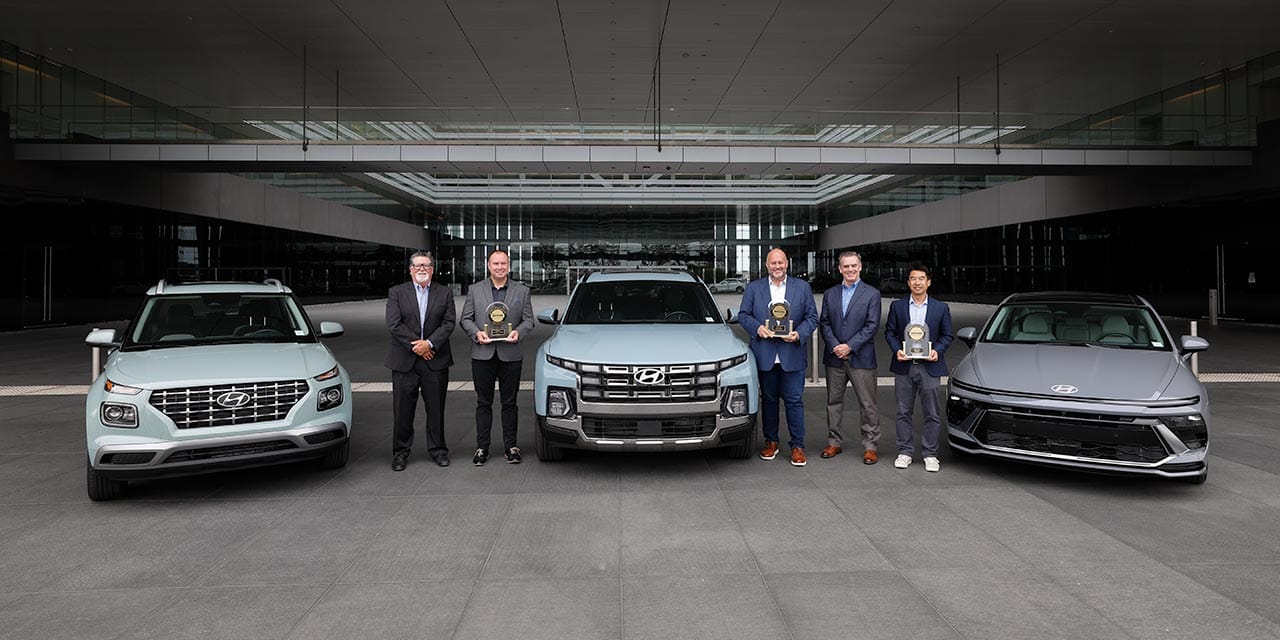
Three Hyundai Models Lead in 2026 JD Power U.S. Initial Quality Study, Highlighting Industry Shifts
Three Hyundai vehicle models have secured top positions in the 2026 JD Power U.S. Initial Quality Study, marking a significant achievement for the South Korean automaker. The findings, released this week, underscore a growing trend of consumer confidence in Hyundai’s product lineup, particularly in areas such as reliability, technology integration, and customer satisfaction. According to a report by the automotive research firm, the models—specifically the Sonata, Palisade, and Kona—outperformed competitors in their respective segments, reflecting a broader industry shift toward quality-focused manufacturing.
The results are part of JD Power’s annual assessment, which evaluates new vehicles based on the number of problems reported by owners within the first 90 days of ownership. This year’s study involved over 115,000 participants, with data collected across 300,000 vehicles. The study’s methodology, which includes detailed surveys and statistical analysis, is widely regarded as a benchmark for automotive quality in the U.S. market.
What Happened? Hyundai’s Models Top Segment Rankings
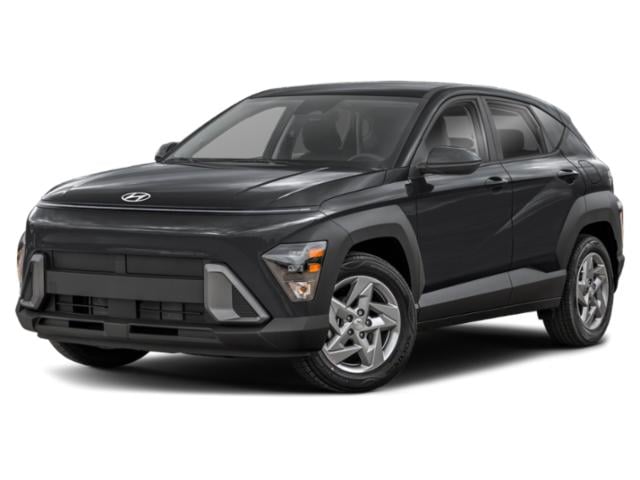
The 2026 JD Power study identified three Hyundai models as leaders in their categories. The Sonata, a midsize sedan, ranked first in its segment, followed by the Palisade, a large SUV, which claimed the top spot in its class. The Kona, a compact crossover, also secured a leading position in its category. These results represent a notable improvement for Hyundai, which has been working to elevate its reputation for reliability and innovation in recent years.

“Hyundai has made substantial strides in addressing past concerns about quality,” said a spokesperson for the company. “This recognition highlights our commitment to delivering vehicles that meet the highest standards of performance and customer satisfaction.”
The study’s data reveals that the Sonata achieved a problem rate of 125 problems per 100 vehicles, well below the industry average of 150. The Palisade reported 130 problems per 100 vehicles, while the Kona had a rate of 128. These figures place the models among the top performers in their respective segments, outpacing competitors such as Toyota, Honda, and Kia.
Who Is Involved? Key Stakeholders and Industry Context
The JD Power study involves a broad range of stakeholders, including automakers, dealerships, and vehicle owners. For Hyundai, the success of the Sonata, Palisade, and Kona reflects the company’s strategic focus on enhancing quality control and incorporating advanced technologies. The automaker has invested heavily in research and development, particularly in areas such as electric vehicle (EV) technology and smart connectivity features.
Industry analysts note that Hyundai’s performance in the study aligns with broader trends in the automotive sector. “Consumers are increasingly prioritizing reliability and technological innovation when purchasing vehicles,” said Dr. Emily Chen, a senior analyst at Auto Insights Research. “Hyundai’s ability to address these priorities has positioned it as a strong contender in the market.”
The results also come at a time when the U.S. automotive industry is undergoing significant transformation. The shift toward electric vehicles, stricter emissions regulations, and evolving consumer preferences are reshaping the competitive landscape. For Hyundai, the study’s findings reinforce its efforts to adapt to these changes and maintain a competitive edge.
Why It Matters: Implications for Hyundai and the Automotive Industry
The rankings have significant implications for Hyundai’s market position and future strategies. By securing top positions in the JD Power study, the automaker gains a competitive advantage in attracting both consumers and dealers. The study’s findings are often cited in marketing materials and sales strategies, as they provide a credible measure of vehicle quality.
For consumers, the results offer valuable insights into the reliability of specific models. “When choosing a new vehicle, I look for studies like this to guide my decision,” said Mark Thompson, a car buyer in California. “Hyundai’s performance in the study gives me confidence in their products.”
The study also highlights the importance of quality in an increasingly saturated market. With over 300 new vehicle models available in the U.S., consumers are more discerning than ever. Automakers that can demonstrate superior quality and reliability are better positioned to capture market share. For Hyundai, the 2026 rankings represent a milestone in its journey to be recognized as a leader in the industry.
Reactions and Expert Perspectives
Industry experts have responded positively to Hyundai’s achievements. “This is a testament to Hyundai’s dedication to continuous improvement,” said James Rivera, a senior editor at Motor Trend. “The company has made significant progress in addressing quality concerns, and this study reflects that effort.”

However, some analysts caution that sustained success requires ongoing investment in research and development. “While the rankings are a positive indicator, Hyundai must maintain its focus on innovation and customer satisfaction to remain competitive,” said Sarah Mitchell, an automotive analyst at Bloomberg. “The market is constantly evolving, and complacency could lead to a decline in performance.”
Hyundai’s leadership has acknowledged the importance of maintaining its momentum. “We are proud of our achievements, but we are also aware of the challenges ahead,” said a company representative. “Our goal is to consistently deliver high-quality vehicles that meet the needs of our customers.”
Comparisons and Broader Industry Trends
The success of Hyundai’s three models can be contextualized within broader industry trends. For example, the study’s findings show that the average problem rate for vehicles in the U.S. has decreased slightly compared to previous years. This trend is attributed to advancements in manufacturing processes and the integration of more reliable technologies.
When compared to other automakers, Hyundai’s performance stands out. For instance, the Toyota Camry, a long-time leader in the midsize sedan segment, reported a problem rate of 140 per 100 vehicles. The Honda CR-V, a top-selling compact SUV, had a rate of 135. These figures highlight Hyundai’s ability to compete with established brands while offering innovative features and competitive pricing.
The study also reveals that electric vehicles (EVs) are beginning
