
Collagen Supplements and Cycling: Evaluating the Scientific Evidence
Collagen supplements have become increasingly prevalent among endurance athletes, particularly cyclists seeking to protect their joints and accelerate recovery. While marketing claims often promise rapid performance boosts and pain reduction, the scientific evidence supporting these benefits is nuanced and varies depending on the specific health goal.
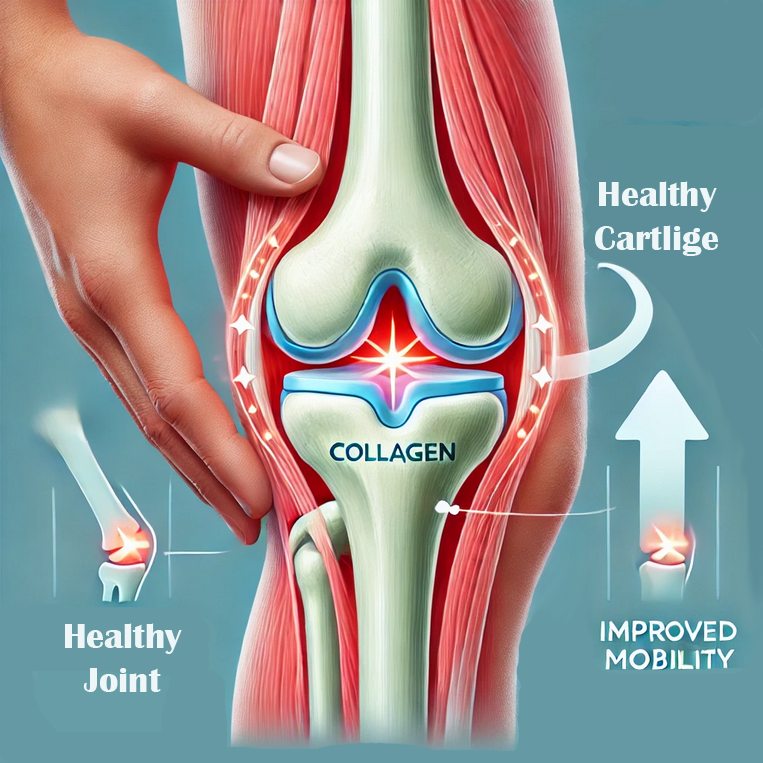
- Joint Health: There is evidence that collagen supplementation can improve joint functioning and reduce pain.
- Strength and Composition: Evidence regarding the impact of collagen on body composition and overall strength remains limited.
- Biological Decline: Natural collagen production decreases with age, potentially affecting the integrity of ligaments and tendons.
- Industry Oversight: A lack of stringent regulation in the supplement industry complicates the verification of many commercial health claims.
The Biological Role of Collagen
Collagen is a structural protein essential for providing elasticity and support to various parts of the body, including the skin, bones, tendons, and ligaments. As one of the most prevalent proteins in the human body, it serves as a critical component in maintaining the structural integrity of connective tissues.
The body naturally produces less collagen over time. This age-related decline can lead to reduced flexibility and a decrease in the integrity of the skin and ligaments, which may increase susceptibility to injury or discomfort during high-impact or repetitive activities like cycling.
Impact on Joint Function and Recovery
For cyclists, the primary appeal of collagen supplements often lies in joint preservation. Research indicates that these supplements may be effective in improving joint pain and overall functioning, which is critical for athletes who subject their joints to repetitive stress over long distances.
Most available supplements utilize types I, II, and III collagen to target these areas. While the potential for joint support is supported by some evidence, other claims—such as significant improvements in muscle strength or changes in body composition—lack the same level of scientific backing.
Evidence Versus Marketing Claims
The gap between the perceived benefits of collagen and the actual scientific data is often widened by the nature of the supplement industry. Because these products are not subject to the same rigorous regulation as pharmaceuticals, marketing claims regarding “boosted performance” or “quicker recovery” may not always be supported by clinical trials.
Experts suggest that while collagen may offer specific benefits for connective tissue and joint health, athletes should remain cautious of broad claims that promise overall performance enhancement without substantial evidence.
