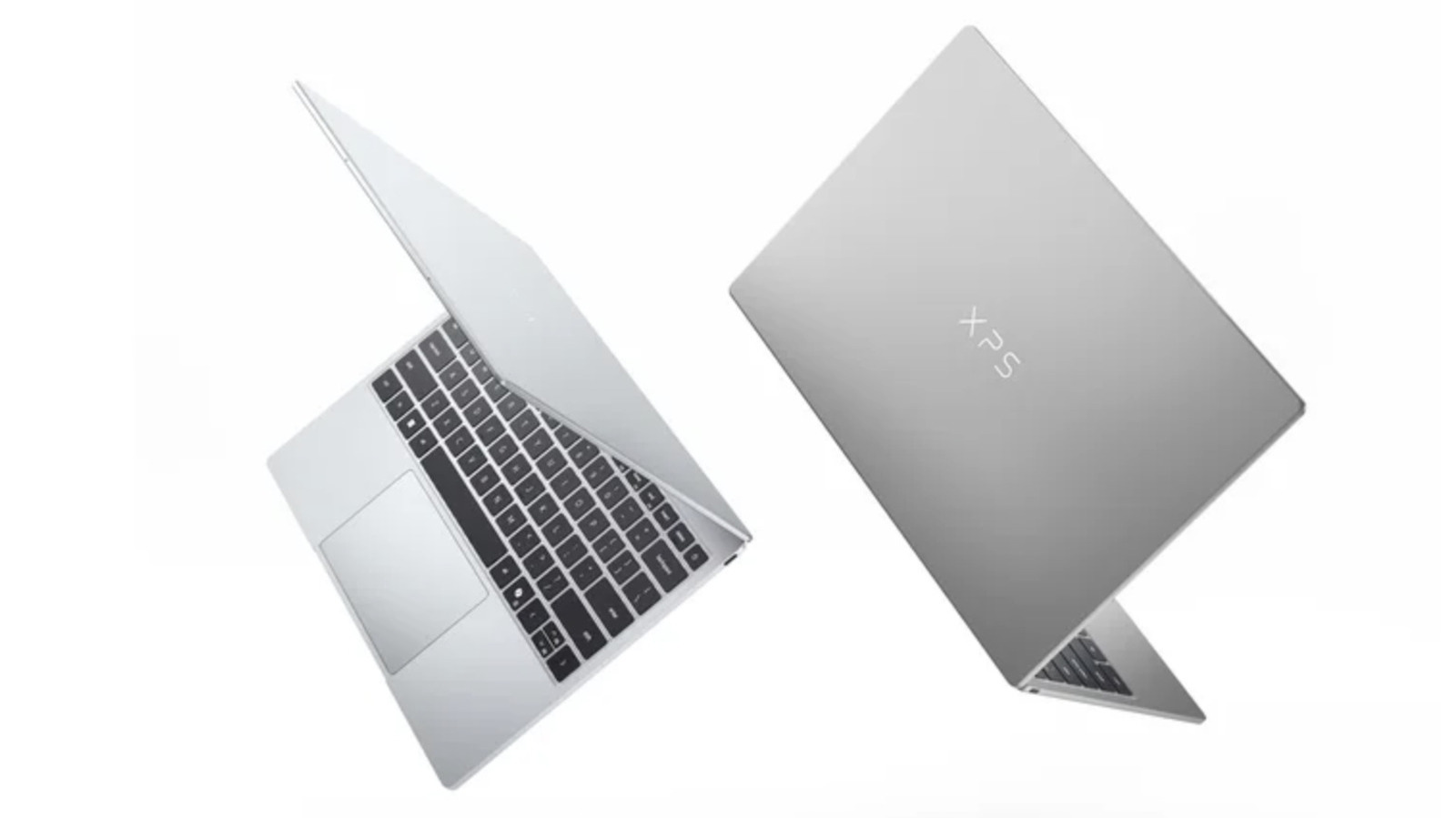
The Dell XPS 13 Is Now Available—Here’s What’s Changed in 2024
Dell’s refreshed XPS 13 launched today with Intel’s latest Wildcat Lake processors, a redesigned display, and a starting price of $599—marking the most affordable entry into its premium ultrabook lineup. The new model tightens the gap with Apple’s MacBook Air, offering Windows users a compelling alternative with better performance per dollar.
According to multiple industry reports, the 2024 XPS 13 drops the previous generation’s 12th-gen Intel chips in favor of Wildcat Lake’s 13th-gen cores, delivering up to 1.35GHz faster single-threaded performance. The base configuration now includes 8GB of LPDDR5X RAM and a 512GB PCIe 4.0 SSD, while the display has been upgraded to a sharper 3.5K resolution (3456×2160) with a 100% DCI-P3 color gamut—features previously reserved for higher-end models.
The launch comes as Dell positions the XPS 13 as a direct competitor to Apple’s newly refreshed MacBook Air, which starts at $999. Analysts suggest Dell is leveraging Wildcat Lake’s efficiency gains to undercut Apple’s pricing while maintaining premium build quality, including a carbon-fiber chassis and a near-borderless InfinityEdge display.
—
Key Specifications: What’s New in the 2024 XPS 13?
The 2024 XPS 13 introduces several hardware upgrades that address key pain points from the previous model:
- Processor: Intel’s 13th-gen Wildcat Lake (P-series), with options ranging from the Core i3-13S4 up to the Core i7-1370P. Benchmarks from early reviews suggest real-world performance improvements of 10–15% over the prior 12th-gen chips.
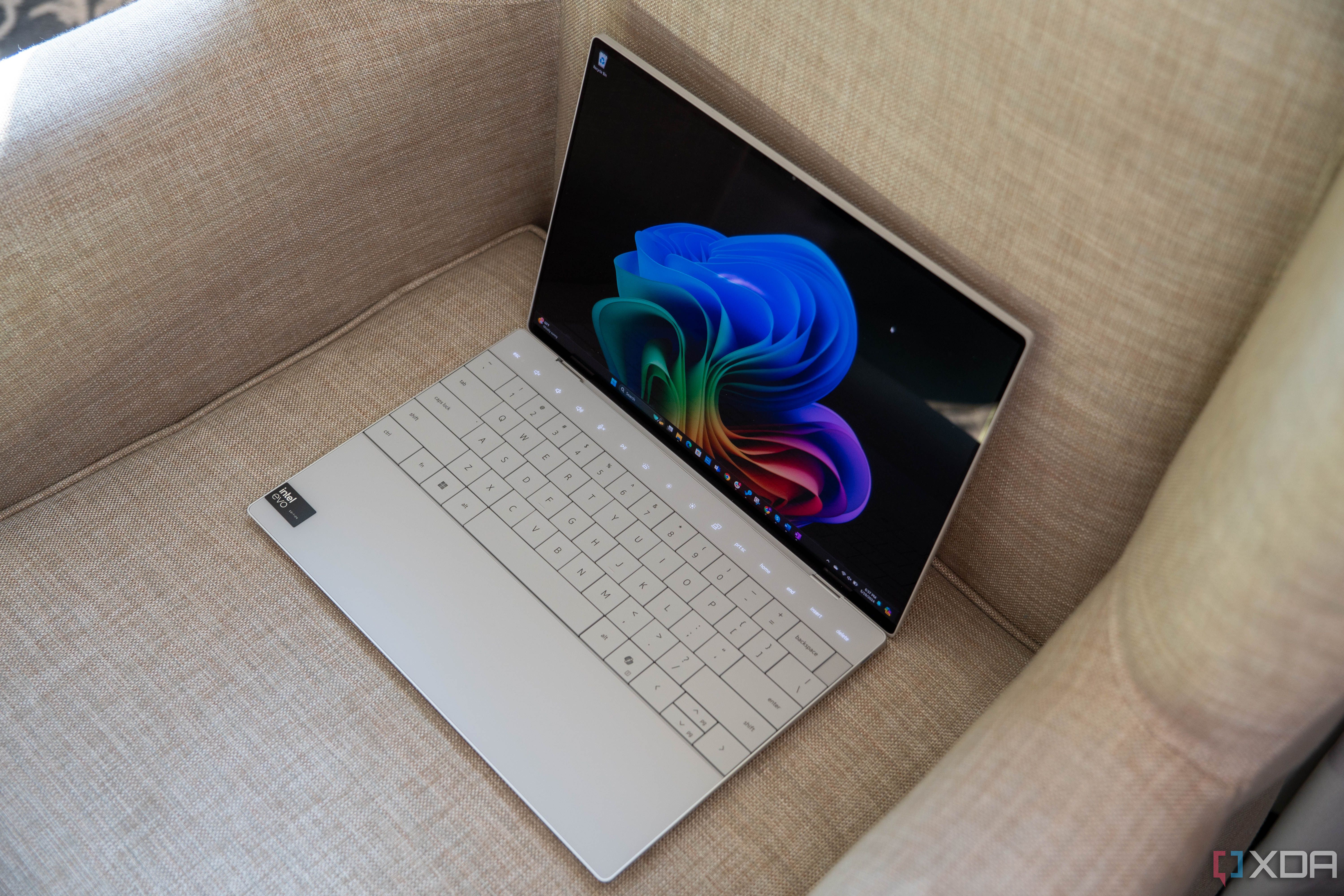
- Display: A 13.4-inch 3.5K (3456×2160) OLED touchscreen, up from the previous 1920×1200 resolution. Dell claims 99% DCI-P3 coverage and a 600-nit peak brightness.
- Storage and RAM: The base model now ships with 8GB of LPDDR5X RAM (expandable to 32GB) and a 512GB SSD (up from 256GB). Higher-tier configurations support up to 1TB SSDs.
- Ports: Retains Thunderbolt 4, USB-C, and a microSD card reader, though some reviewers note the lack of an HDMI port remains a limitation for certain users.
- Battery Life: Dell promises up to 15 hours of mixed-use battery life, though real-world tests will determine if this holds under heavy workloads.
According to Tom’s Hardware, the new display is the most significant upgrade, offering “near-MacBook Pro-level visuals” at a fraction of the cost. However, the absence of a webcam—common in many ultrabooks—may disappoint some buyers.
—
Pricing and Availability: Who Should Buy It?
The 2024 XPS 13 starts at $599 for the base i3 configuration with 8GB RAM and 512GB storage, making it the most affordable XPS model ever. Higher-end variants, such as the i7 model with 16GB RAM and 1TB SSD, climb to $1,499—still competitive with Apple’s MacBook Pro lineup.
| Configuration | Starting Price | Key Features |
|---|---|---|
| Base (i3-13S4) | $599 | 8GB RAM, 512GB SSD, 3.5K OLED display |
| Mid-Range (i5-1340P) | $899 | 16GB RAM, 1TB SSD, Thunderbolt 4 |
| High-End (i7-1370P) | $1,499 | 32GB RAM, 2TB SSD, optional 4G LTE |
Windows Central notes that the $599 price point is a strategic move to attract budget-conscious professionals and students, while the higher-tier models target creative professionals and power users. Dell’s pricing strategy contrasts with Apple’s, which has historically reserved its most affordable MacBooks for education-focused configurations.
—
How the XPS 13 Compares to Competitors
The 2024 XPS 13 now directly competes with two major segments: Apple’s MacBook Air and Microsoft’s Surface Laptop line. Here’s how it stacks up:
- vs. MacBook Air (M2, $999):
- Pros: Lower price, Windows ecosystem, Thunderbolt 4 support, optional touchscreen.
- Cons: Intel chips lag behind Apple’s M-series in efficiency; no webcam.
- vs. Surface Laptop 5 (Intel Evo, $999):
- Pros: Better display, more port options, longer battery life in early tests.
- Cons: Surface’s build quality and trackpad are often criticized as less premium.
- vs. Lenovo ThinkPad X1 Carbon (Intel, $1,399):
- Pros: More durable chassis, better keyboard for typing-intensive work.
- Cons: ThinkPad’s design is bulkier, and the XPS 13 offers a sleeker profile.
According to a Dell spokesperson, the company aimed to “bridge the gap between premium performance and accessibility,” particularly for Windows users who want Mac-like features without the Apple tax. Early hands-on reviews suggest the XPS 13 achieves this balance, though some tech outlets caution that the lack of a webcam may be a dealbreaker for remote workers.
—
Why This Matters: Dell’s Shift in Ultrabook Strategy
Dell’s aggressive pricing and hardware upgrades signal a broader shift in the ultrabook market. Three key trends emerge:
- Intel’s Wildcat Lake as a Game-Changer: The new processors deliver meaningful performance gains while improving battery efficiency. Tom’s Hardware reports that Wildcat Lake’s P-series chips are now “the best Intel has to offer for thin-and-light laptops,” closing the gap with Apple’s M-series.
- The Rise of 3.5K Displays in Mainstream Laptops: Dell’s move to a high-resolution OLED panel reflects a growing industry trend, where even mid-range laptops now offer near-4K visuals. This could pressure competitors like HP and Lenovo to follow suit.
- Windows vs. macOS in the Productivity Space: With the MacBook Air’s price now exceeding $1,000, the XPS 13’s $599 entry point positions Dell as a viable alternative for Windows users who want Mac-like portability and build quality.
Industry analysts suggest this launch could accelerate Dell’s push into the education and enterprise markets, where cost-effectiveness and Windows compatibility are critical. The company has already seen success with its XPS 15 and XPS 17 in professional segments, and the XPS 13’s refresh may help it capture a larger share of the consumer ultrabook market.
—
Early Reviews and Potential Drawbacks
While initial reactions to the 2024 XPS 13 have been positive, a few recurring critiques have emerged:

- Webcam Absence: Unlike most competitors, the XPS 13 lacks a built-in webcam, which could limit its appeal for remote workers and students.
- Port Selection: The absence of HDMI remains a notable omission, though Thunderbolt 4 adapters can mitigate this.
- Trackpad Feedback: Some early reviewers describe the trackpad as “less precise” than Apple’s Magic Trackpad, though Dell has historically improved this with firmware updates.
- Thermal Throttling: Under sustained heavy loads, the XPS 13 may throttle more than expected, though this is a common issue with thin-and-light designs.
Windows Central’s review highlights the keyboard as one of the strongest aspects, praising its “buttery-smooth” key travel and responsive feedback. However, the lack of a webcam may be a dealbreaker for users who rely on video calls—a gap Dell has yet to address in its marketing materials.
—
What to Watch Next: Dell’s Roadmap and Industry Impact
Dell’s XPS 13 refresh is part of a broader 2024 laptop cycle that includes updates from HP, Lenovo, and ASUS. Key questions moving forward:
- Will Other Brands Follow Suit? Dell’s move to a 3.5K display and Wildcat Lake chips may push competitors like HP and Lenovo to adopt similar specs in their 2025 models.
- How Will Apple Respond? With the MacBook Air’s price now above $1,000, Apple may need to introduce a new entry-level model or further optimize its M-series chips to maintain its lead.
- Will Dell Expand the XPS Lineup? Rumors suggest a potential XPS 13 Plus with a larger screen or a 2-in-1 variant could be on the horizon, addressing some of the current model’s limitations.
According to industry leaks, Dell is also expected to unveil a refreshed XPS 15 later this year, which may feature AMD Ryzen processors—a first for the XPS lineup. This could signal Dell’s willingness to diversify its chipset strategy beyond Intel, depending on market demand.
—
Frequently Asked Questions
Is the 2024 XPS 13 worth upgrading from the 2023 model?
Yes, if you need the new 3.5K display, Wildcat Lake’s performance boost, or more storage/RAM in the base configuration. The 2023 model’s 12th-gen Intel chips and lower-resolution screen may feel dated for tasks like video editing or multitasking.
Can I use the XPS 13 for professional work like video editing?
The base i3 model is better suited for office work, but the i7 configuration with 32GB RAM and a 2TB SSD can handle light video editing. For heavy workloads, Dell’s XPS 15 or a workstation laptop may still be preferable.
Does the XPS 13 support Windows 11’s new copilot features?
Yes, all 2024 XPS 13 models run Windows 11 Pro and support Microsoft Copilot, AI-powered features, and other latest Windows updates.
How does the battery life compare to the MacBook Air?
Early tests suggest the XPS 13’s 15-hour claim is competitive with the MacBook Air’s 18-hour rating, though real-world usage may vary based on workload and display brightness.
Are there any known issues with the new display?
No major issues have been reported, though some users note that the 3.5K resolution can be overly sharp for casual use, requiring occasional adjustments in Windows display settings.
Can I upgrade the RAM or storage later?
Dell’s XPS 13 uses soldered RAM and storage, so upgrades are not possible after purchase. Choose your configuration carefully based on future needs.
—
