
Moon Phase Today: What the Moon Will Look Like on June 17, 2026
On June 17, 2026, the Moon will reach its waxing gibbous phase, appearing as a bright, rounded shape in the night sky. This stage occurs after the full moon and before the waning gibbous, when the Moon’s illuminated portion begins to shrink. According to astronomical data from the United States Naval Observatory, the exact timing of this phase will depend on the observer’s location, but the visual effect will be consistent across most of the Northern Hemisphere. Understanding the Moon’s cycle offers insights into celestial mechanics and cultural traditions tied to lunar events.
What Is the Moon Phase on June 17, 2026?
The Moon’s phase on June 17, 2026, will be a waxing gibbous, meaning the illuminated portion of the Moon will be more than half but less than fully lit. This phase typically occurs about three to four days after the full moon, when the Moon has moved approximately 120 degrees in its orbit relative to the Sun. The waxing gibbous is visible in the eastern sky at sunset and remains visible until the early morning hours. During this phase, the Moon’s surface is partially shadowed, creating a distinct, glowing appearance that has inspired human curiosity for millennia.

According to the International Astronomical Union (IAU), the waxing gibbous phase is part of the Moon’s 29.5-day synodic cycle, which governs the changing appearance of the Moon from Earth. This cycle is influenced by the relative positions of the Earth, Moon, and Sun, with the Moon’s orbit tilted about 5 degrees relative to Earth’s orbital plane. As a result, the exact timing of phases can vary slightly each year, though the general pattern remains predictable.
How the Waxing Gibbous Differs From Other Phases
The waxing gibbous is one of eight primary lunar phases, each defined by the proportion of the Moon’s surface illuminated by the Sun. Unlike the full moon, which occurs when the Moon is directly opposite the Sun, the waxing gibbous happens as the Moon moves toward this alignment. During this phase, the Moon’s terminator—the line dividing light and dark—shifts, revealing new surface features that were previously in shadow. This makes the waxing gibbous a popular time for amateur astronomers to observe the Moon’s craters and ridges.
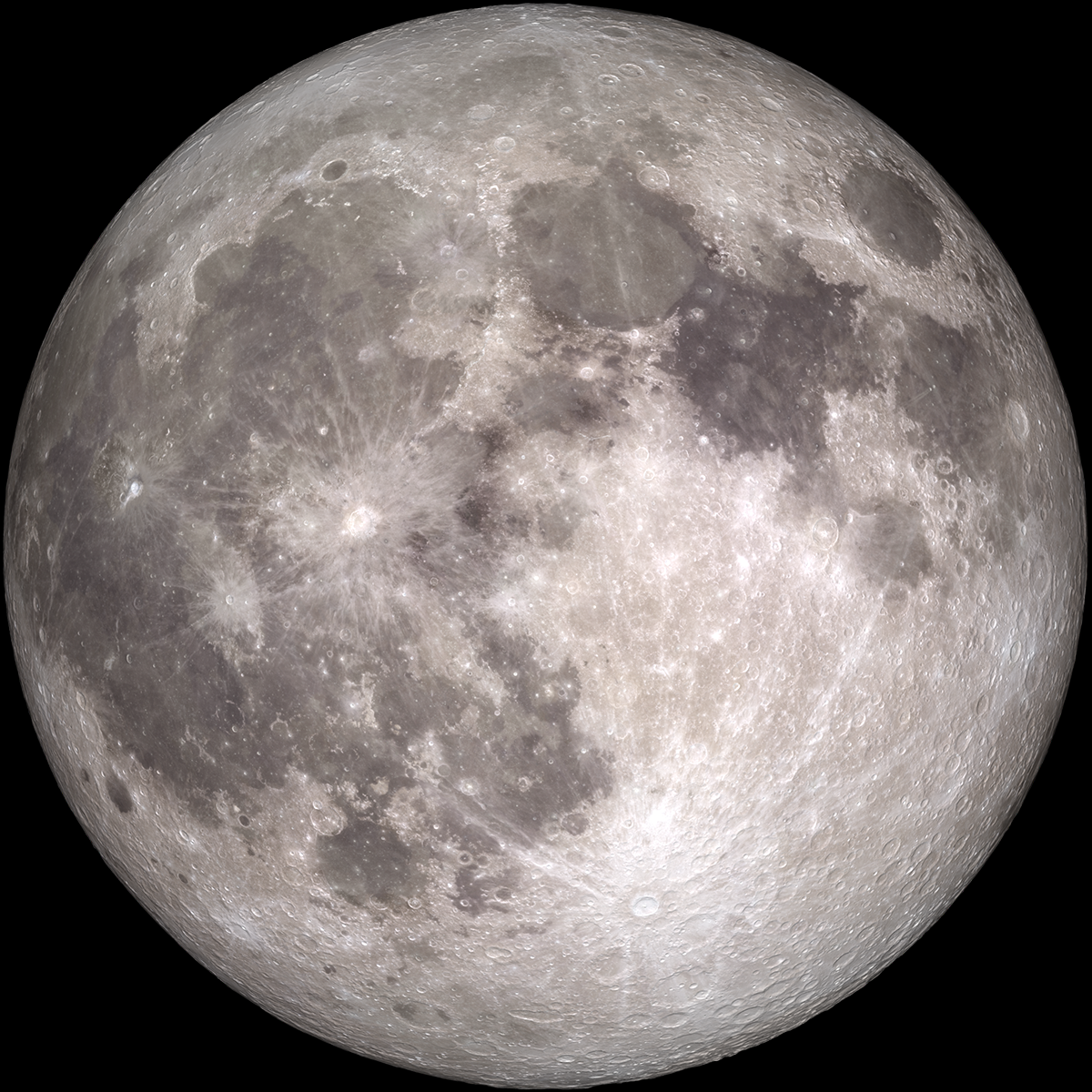
Comparing the waxing gibbous to other phases highlights its unique characteristics. For example, the first quarter moon, which occurs about a week before the full moon, shows exactly half of its surface illuminated. The waning gibbous, which follows the full moon, mirrors the waxing gibbous but with the illuminated portion decreasing. These variations are driven by the Moon’s orbital motion and its interaction with sunlight.
Why the Moon’s Phase Matters: Scientific and Cultural Significance
The Moon’s phases have shaped human history in profound ways, from agricultural calendars to religious rituals. In ancient civilizations, the waxing gibbous phase was often associated with growth and renewal, as the increasing illumination symbolized progress. Modern science, however, views the phase as a key indicator of celestial mechanics, offering opportunities to study the Moon’s orbit and its effects on Earth.
From a scientific perspective, the Moon’s phases influence tidal patterns and Earth’s rotational stability. The gravitational pull of the Moon, combined with the Sun’s gravity during specific phases, creates spring and neap tides. During the waxing gibbous, the alignment of the Sun, Earth, and Moon results in moderate tidal forces, which are less extreme than those during the full or new moon. These effects are critical for marine ecosystems and coastal communities.
Cultural and Historical Context
Cultures around the world have developed unique interpretations of the Moon’s phases. In some Asian traditions, the waxing gibbous is seen as a time of preparation and anticipation, while in Western astrology, it is often linked to personal growth and ambition. The Moon’s visibility during this phase has also influenced mythology, with many stories attributing its changing appearance to divine or supernatural forces.
Historically, the waxing gibbous phase has been used to mark seasonal transitions. For instance, the ancient Maya aligned their agricultural practices with lunar cycles, using the Moon’s position to determine optimal planting and harvesting times. Similarly, the Islamic calendar incorporates lunar phases to set the dates for religious observances, such as Ramadan and Eid.
How to Observe the Moon on June 17, 2026
For those interested in viewing the waxing gibbous phase on June 17, 2026, the best time to observe the Moon will be in the early evening, when it rises in the eastern sky. The Moon will be visible for most of the night, reaching its highest point in the sky around midnight. Observers in urban areas may need to find a location with minimal light pollution to fully appreciate the Moon’s details.

Using binoculars or a telescope can enhance the viewing experience, as these tools reveal surface features such as the Sea of Tranquility, the Tycho crater, and the Montes Apenninus mountain range. Even with the naked eye, the waxing gibbous’s bright, rounded shape is unmistakable, making it an accessible event for casual observers.
Tools for Tracking Lunar Phases
Several resources can help track the Moon’s phases and plan observations. Apps
