:watermark(https://f.pmo.ee//logos/4133/bb989514d16b88b940b51f02e07642d0.png,-2p,-2p,0,18,none):format(webp)/nginx/o/2026/05/09/17623827t1h8dc1.jpg "17623827t1h8dc1.jpg")
Feature: Floating quarantine: hantavirus evacuation operation unfolds off Tenerife – Xinhua
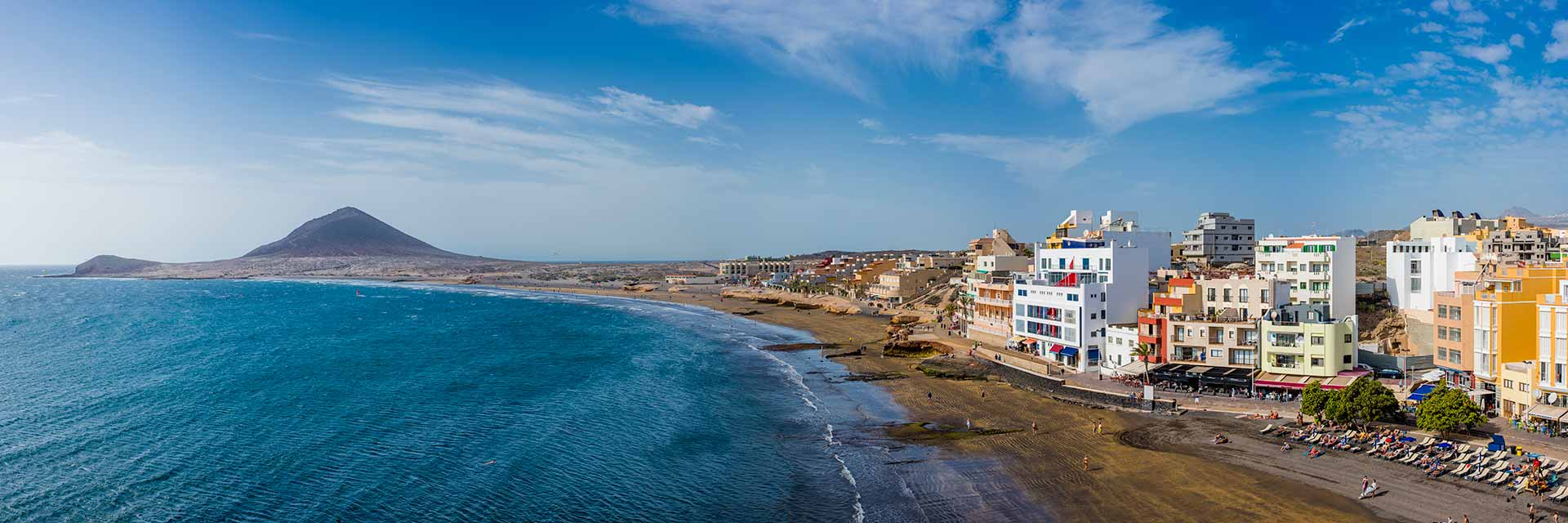
The coast of Tenerife has become the epicenter of a high-stakes medical evacuation as the MV Hondius, a Dutch-flagged cruise ship struck by a hantavirus outbreak, remains anchored in a state of strict isolation. What began as an expeditionary voyage from South America has culminated in a complex, multi-national repatriation effort, turning the vessel into a “floating quarantine” to prevent the spread of a potentially deadly pathogen onto Spanish soil.
The operation, unfolding at the port of Granadilla de Abona, represents a massive logistical undertaking involving military aircraft, government-chartered flights, and stringent bio-safety protocols. As passengers are ferried from the ship to the shore under the watchful eyes of health authorities, the incident highlights the precarious nature of international travel in the face of zoonotic disease outbreaks.
The Mechanics of a Sterile Evacuation
The evacuation of the MV Hondius is not a standard disembarkation. To minimize the risk of community transmission, the vessel has been prohibited from docking. Instead, it remains anchored off the coast, creating a physical buffer between the infected environment of the ship and the population of the Canary Islands.
The process of moving more than 140 people from the ship to their respective home countries has been executed with surgical precision. Passengers are transported from the MV Hondius to the quayside via small boats, a method that allows authorities to control the flow of people and ensure that no unauthorized contact occurs. Upon reaching the shore, the transition is immediate and highly regulated:
- Protective Gear: Both the disembarking passengers and the port personnel in Tenerife are required to wear protective gear to mitigate the risk of aerosol or contact transmission.
- Disinfection Protocols: Government officials have implemented rigorous disinfection measures, including the spraying of passengers with disinfectant before they board evacuation aircraft.
- Controlled Transit: Once on land, passengers are guided directly onto buses, which transport them to medical facilities or the Tenerife Sur airport, bypassing public areas entirely.
This “sterile corridor” approach ensures that the virus remains contained within a controlled loop, moving from the ship to the aircraft without ever entering the general public sphere of the Canary Islands.
A Global Repatriation Effort
Because the MV Hondius carried a diverse international contingent, the evacuation has required coordination between several sovereign governments and health ministries. The repatriation has been sequenced by nationality to streamline quarantine and medical monitoring in the passengers’ home countries.
Spanish nationals were the first to be evacuated, reflecting the host nation’s priority to manage its own citizens first. According to the cruise operator, Oceanwide Expeditions, the vessel carried 13 Spanish passengers and one Spanish crew member. These individuals were flown to Madrid, where they were admitted to a military hospital to undergo mandatory quarantine.
Following the Spanish contingent, a series of chartered and government flights were deployed to handle other nationalities. A Canadian flight departed shortly after, followed by a Dutch-chartered aircraft that transported passengers from the Netherlands, Germany, Belgium, and Greece. The final stages of the evacuation involved flights for passengers from Turkiye, France, Britain, and the United States.
The operation transforms a luxury expedition vessel into a site of medical urgency, where the primary goal is no longer exploration, but the safe and systemic removal of every soul on board.
The Human Cost and Medical Emergencies
While the evacuation process is a feat of logistics, the underlying tragedy of the outbreak is stark. Since the MV Hondius departed South America on April 1, three people have died on board. The emergence of hantavirus in a confined environment like a cruise ship creates a volatile situation, as the proximity of passengers can complicate health screenings and isolation efforts.
The volatility of the situation became evident during the repatriation of French nationals. Five passengers were transferred by ambulance to the Bichat hospital in Paris upon arrival. In a worrying development, French Prime Minister Sebastien Lecornu confirmed that one of these five individuals developed symptoms during the flight from Tenerife. This incident underscores the danger of the incubation period and the necessity of strict post-evacuation monitoring.
For those affected, the road to recovery is long and restrictive. The French passengers have been placed in strict isolation, facing an initial 72 hours of hospitalization followed by a rigorous 45-day home quarantine period to ensure the virus is fully cleared from their systems.
Beyond the Horizon: The Tristan da Cunha Incident
The reach of the MV Hondius outbreak extends beyond the shores of Tenerife. The virus has managed to leapfrog from the ship to one of the most remote inhabited places on Earth: the South Atlantic territory of Tristan da Cunha.
A passenger who disembarked the MV Hondius last month traveled to the territory, where they are now a suspected case of hantavirus. Given the extreme isolation of Tristan da Cunha—which has a total population of only 221 residents—the risk of a local outbreak is a critical concern for health authorities.
The response has been dramatic and swift. British Army medics were deployed via parachute to the remote territory to provide emergency medical intervention and containment. This secondary theater of the crisis demonstrates how a single infected vessel can create a global health trail, necessitating military-grade responses in the most inaccessible parts of the world.
Timeline of the MV Hondius Crisis
The progression of the outbreak reveals a slow-burning crisis that escalated over several weeks at sea.
| Date/Period | Event | Status/Outcome |
|---|---|---|
| April 1 | Departure from South America | Voyage begins. initial health status clear. |
| April – May | Onboard Outbreak | Three deaths recorded; passengers stranded at sea for weeks. |
| Late April | Tristan da Cunha Stop | Passenger disembarks; later becomes suspected case. |
| May 10 | Arrival in Tenerife | Ship anchors at Granadilla de Abona; evacuation begins. |
| May 10 (Post-Arrival) | Global Repatriation | Passengers flown to Madrid, Paris, and other home nations. |
Analyzing the “Floating Quarantine” Strategy
The decision to keep the MV Hondius anchored rather than allowing it to dock is a calculated risk-management strategy. In epidemiology, the goal is to break the chain of transmission. By treating the ship as a biological island, Spanish authorities have effectively eliminated the risk of the virus entering the port’s infrastructure.
This strategy, while efficient for public health, creates a psychological toll on the passengers. Being “stranded at sea for weeks” before arriving in Tenerife suggests a period of intense anxiety and confinement. The ship ceased to be a vessel of leisure and became a floating ward, where every cough or fever could signal a life-threatening turn.
The use of military hospitals and government aircraft further emphasizes that this is not a routine medical event, but a national security priority. The involvement of the British Army in Tristan da Cunha and the French Prime Minister in the Parisian hospital transfers indicates that hantavirus, while not as contagious as respiratory viruses like influenza, is viewed with extreme caution due to its potential severity.
Key Points of the Containment Operation
- Zero-Docking Policy: The vessel remains offshore to prevent any environmental contamination of the port.
- Sovereign Coordination: Multiple nations coordinated flight paths and quarantine facilities simultaneously.
- Strict Isolation: Repatriated passengers face weeks of home quarantine after initial hospital stays.
- Rapid Deployment: Military assets were used both for transport (Spain) and medical intervention (Tristan da Cunha).
Understanding the Threat: The Nature of Hantavirus
To understand why the evacuation of the MV Hondius required such extreme measures, We see necessary to understand the nature of the pathogen. Hantaviruses are zoonotic, meaning they are transmitted from animals to humans—typically through contact with the urine, droppings, or saliva of infected rodents.
While the specific source of the outbreak on the MV Hondius has not been detailed in the immediate evacuation reports, the virus typically causes two main syndromes: Hantavirus Pulmonary Syndrome (HPS) and Hemorrhagic Fever with Renal Syndrome (HFRS). Both can be severe and potentially fatal, which explains the three deaths recorded during the voyage.
The fear among health officials is not necessarily a mass pandemic—as hantavirus does not typically spread easily from person to person—but rather the risk of “imported” cases entering densely populated areas. The strict 45-day quarantine for French passengers is a precautionary measure to ensure that any late-onset symptoms are managed in a clinical setting rather than in the community.
For more information on zoonotic risks, readers may find a related explainer on emerging infectious diseases useful for understanding how these pathogens move from wildlife to human populations.
Industry Implications for Expedition Cruising
The MV Hondius incident serves as a cautionary tale for the expedition cruise industry. Unlike standard Caribbean cruises, expedition voyages often take passengers to remote areas—such as South America and the South Atlantic—where they are more likely to encounter wildlife and unconventional pathogens.
This event will likely lead to a review of health protocols for operators like Oceanwide Expeditions. Key areas of concern include:
- Onboard Medical Facilities: The ability to isolate and treat highly infectious patients in the middle of the ocean.
- Pre-arrival Screening: More rigorous health declarations for passengers returning from high-risk zoonotic zones.
- Emergency Evacuation Planning: Establishing pre-arranged agreements with port authorities for non-docking evacuations.
The “floating quarantine” model used in Tenerife may become a blueprint for future maritime health crises, providing a way to balance the humanitarian need to evacuate passengers with the sovereign need to protect public health.
Frequently Asked Questions
What is the current status of the MV Hondius?
The MV Hondius is currently anchored at the port of Granadilla de Abona in Tenerife. It has not been allowed to dock to prevent the spread of hantavirus. Passengers are being ferried off the ship via small boats to be flown back to their home countries.
How many people were affected by the outbreak?
There were more than 140 people on board. Three deaths were recorded during the voyage. While authorities stated that some disembarking passengers showed no symptoms, others, including a French national, developed symptoms during repatriation.
Why are passengers being put in quarantine after leaving the ship?
Because hantavirus can have a dangerous incubation period and severe health impacts, passengers are being monitored. For example, French passengers are facing 72 hours of hospitalization followed by 45 days of home quarantine to ensure they are not carrying the virus.
What happened in Tristan da Cunha?
A passenger from the MV Hondius disembarked at Tristan da Cunha last month and is now a suspected case of hantavirus. Because the territory is so remote, British Army medics had to parachute in to provide medical assistance and contain the threat among the 221 residents.
Which countries were involved in the evacuation?
The operation involved a wide array of nations, including Spain, Canada, the Netherlands, Germany, Belgium, Greece, Turkiye, France, Britain, and the United States.
As the final passengers leave the MV Hondius, the focus shifts from the logistics of evacuation to the long-term recovery of the survivors and the investigation into how the virus first entered the vessel. The operation off the coast of Tenerife stands as a stark reminder of the invisible risks that accompany global exploration and the necessity of rapid, coordinated international health responses.
