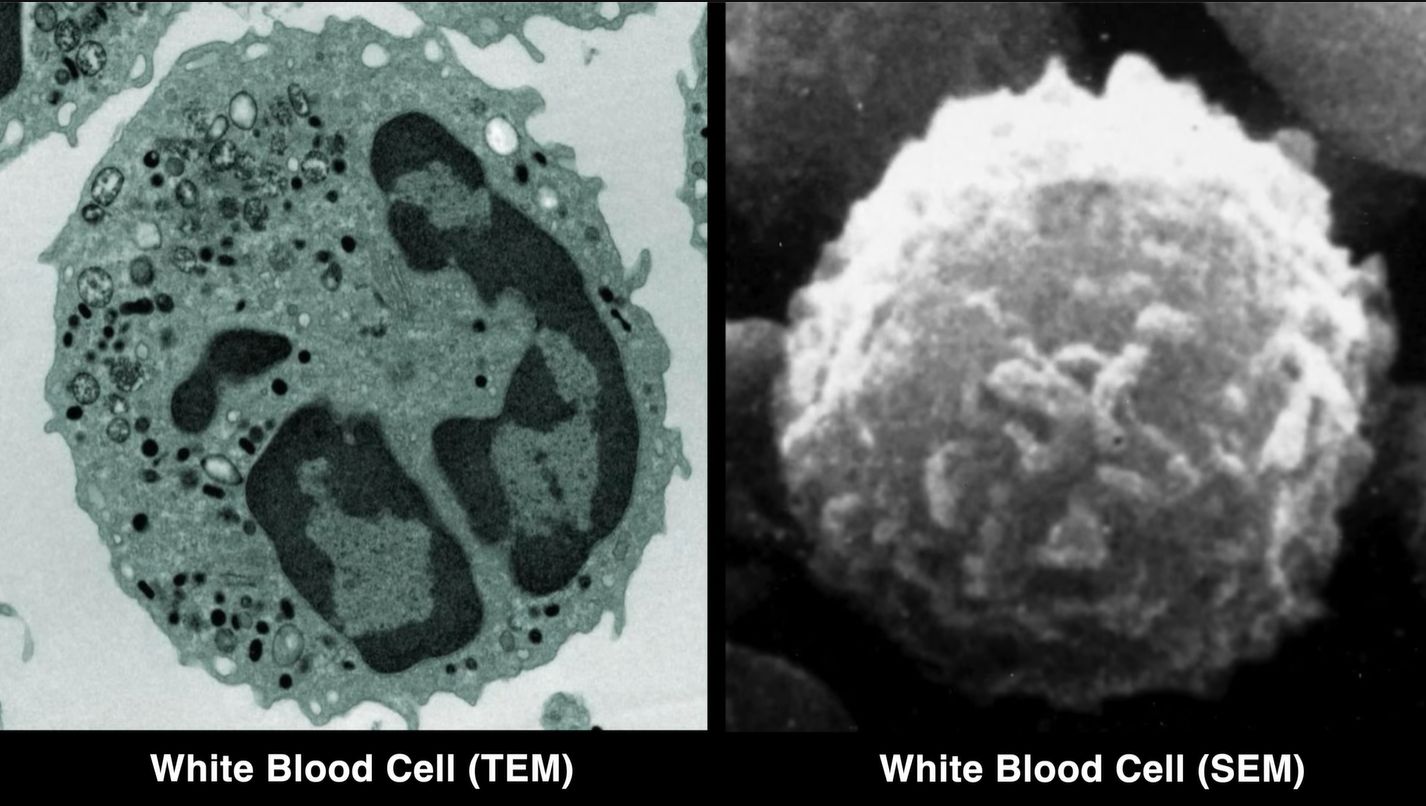
Transforming Scanning Electron Microscopes Into Transmission Electron Microscopes: A Surprising Feat in Microscopy
A recent development in the field of electron microscopy has sparked curiosity among scientists and hobbyists alike: the process of converting a scanning electron microscope (SEM) into a transmission electron microscope (TEM) is more straightforward than many expect. According to a report from a tech-focused publication, the task involves modifying existing equipment rather than purchasing new, expensive instruments. This breakthrough could significantly lower the barrier to entry for advanced microscopic analysis, enabling smaller labs and educational institutions to conduct high-resolution imaging without the usual financial burden.
How Is the Conversion Achieved?
Converting an SEM to a TEM requires a fundamental shift in the microscope’s design. While SEMs use a focused beam of electrons to scan a sample’s surface, TEMs pass electrons through a thin specimen to create an image. The key steps involve adjusting the optical system, modifying the vacuum chamber, and recalibrating the electron source. A technical manual from a university research lab details that the process typically includes replacing the secondary electron detector with a phosphor screen or digital sensor, reconfiguring the magnetic lenses, and ensuring the sample chamber can accommodate ultra-thin specimens.
Experts note that the complexity of the task varies depending on the microscope’s original design. Some models, particularly those manufactured in the 1990s and 2000s, are more amenable to modifications due to their modular components. A researcher at a national laboratory explained that the conversion is “not a simple plug-and-play operation, but it’s feasible with the right tools and expertise.” The process often takes several weeks, involving precise alignment of the electron beam and testing of the modified system’s performance.
Why Does This Matter?
The ability to repurpose SEMs as TEMs has significant implications for scientific research and education. TEMs are traditionally costly, with new models ranging from $500,000 to over $2 million. By leveraging existing SEMs, institutions can access TEM capabilities at a fraction of the price. This could democratize access to advanced imaging, particularly in developing regions or smaller academic settings where budgets are limited.
The shift also aligns with broader trends in scientific innovation, where resourcefulness and cost-saving measures are increasingly valued. A report from a global innovation think tank highlighted that “repurposing equipment is becoming a key strategy for laboratories seeking to maximize their impact without expanding their financial footprint.” This approach not only reduces costs but also minimizes electronic waste, contributing to more sustainable practices in scientific research.
Who Is Involved in This Effort?
The conversion project has drawn interest from a diverse group of stakeholders. Academic researchers, particularly those in materials science and biology, are exploring the potential of modified microscopes for studying nanoscale structures. Hobbyists and DIY enthusiasts have also taken up the challenge, sharing their experiences on forums and video platforms. A notable example is a group of engineering students who successfully converted an SEM using open-source schematics and affordable components, documenting their process in a detailed blog post.
Manufacturers of electron microscopes have responded to this trend with mixed reactions. Some have released guidelines for safe and effective modifications, while others have warned against unauthorized alterations, citing potential risks to equipment and user safety. A spokesperson for a leading microscope company stated, “While innovation is encouraged, we advise users to consult with trained professionals before making significant changes to their instruments.”
What Are the Challenges and Risks?
Despite the advantages, the conversion process is not without challenges. One major hurdle is the need for specialized knowledge in electron optics and vacuum systems. Without proper training, users risk damaging the microscope or compromising the quality of their results. Additionally, the modified equipment may not meet the stringent standards required for certain applications, such as pharmaceutical research or semiconductor manufacturing.
Safety is another concern. TEMs operate under high-voltage conditions, and improper modifications could lead to electrical hazards. A safety advisory from a professional organization in electron microscopy emphasized the importance of following established protocols when working with electron beam systems. “Even minor errors in calibration can lead to serious consequences,” the advisory warned. Users are advised to seek guidance from experienced technicians or institutions with expertise in electron microscopy.
What Are the Broader Implications?
The trend of converting SEMs into TEMs reflects a larger movement toward flexible, adaptable scientific tools. It mirrors similar efforts in other fields, such as the repurposing of 3D printers for medical applications or the use of consumer-grade drones in environmental monitoring. By encouraging creativity and problem-solving, these initiatives foster a culture of innovation that benefits both the scientific community and the public at large.
Looking ahead, the success of this conversion method could influence the design of future microscopes. Manufacturers might begin incorporating modular features that allow for easier upgrades or conversions. This could lead to a new generation of instruments that balance affordability with functionality, catering to a wider range of users.
Case Studies and Real-World Examples
Several institutions have already implemented SEM-to-TEM conversions with notable results. A university in Europe reported that their modified microscope enabled researchers to study graphene structures at unprecedented resolutions, contributing to advancements in nanotechnology. Another example comes from a community college in the United States, where the project allowed students to gain hands-on experience with advanced microscopy techniques that would otherwise be inaccessible.

These examples highlight the potential of the conversion approach to bridge gaps in education and research. However, they also underscore the importance of careful planning and execution. A case study published in a scientific journal noted that “successful conversions require not only technical skill but also a deep understanding of the specific needs of the research being conducted.”
What’s Next for Electron Microscopy?
As the field continues to evolve, the line between different types of microscopes may become increasingly blurred. Advances in software and computational imaging could further enhance the capabilities of converted instruments, allowing users to achieve results that rival those of dedicated TEMs. Additionally, collaborations between researchers, educators, and manufacturers may lead to the development of standardized conversion kits, making the process more accessible to a broader audience.
For now, the conversion of SEMs into TEMs remains a niche but growing practice. As more users share their experiences and refine the techniques, the method could gain wider acceptance. However, it will likely coexist with traditional TEMs, each serving different needs based on cost, complexity, and application requirements.
