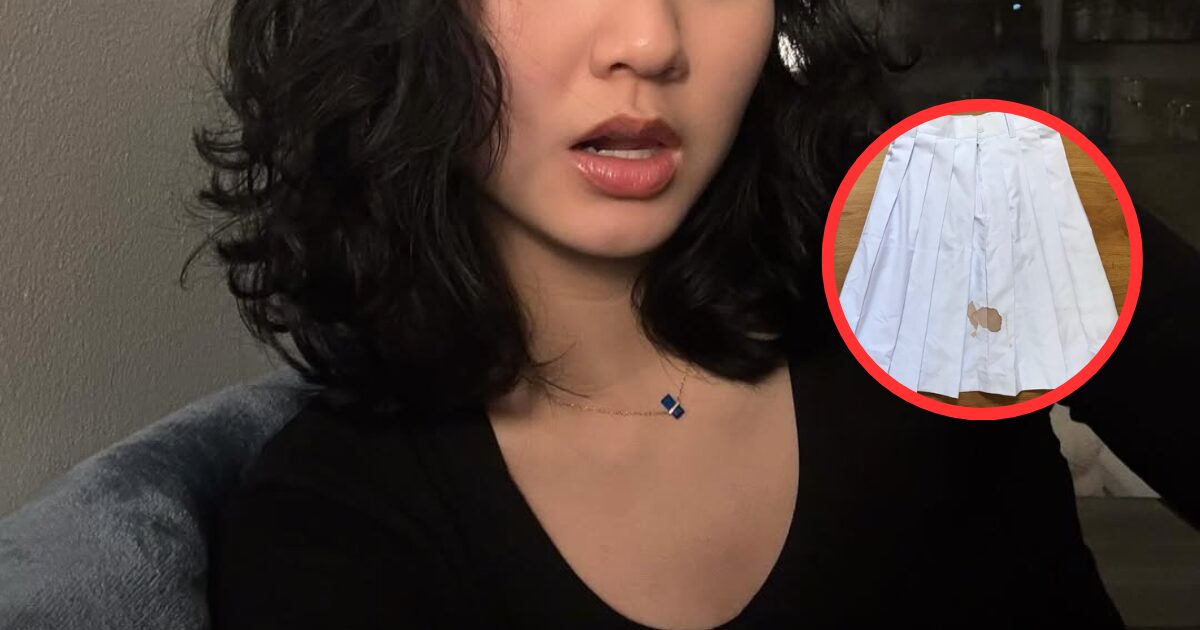
4th Gen Female Idol Gets Real About Bleeding Through Her Skirt At A Music Show
A fourth-generation female K-pop idol recently disclosed that she experienced menstrual bleeding through her costume during a live music show performance, shedding light on the physical and psychological pressures female idols face. The revelation, which circulated via social media and K-pop news reports, details the stress of maintaining a “perfect” public image while managing a health emergency under high-intensity stage lights and rigorous choreography.
What Happened During the Music Show Performance?
The incident involved a member of a fourth-generation girl group who spoke openly about a moment of extreme vulnerability during a televised music program. According to the idol’s account, she realized during her performance that she had bled through her skirt, creating a visible stain on her stage outfit. The idol described the panic associated with the discovery, noting that the realization occurred while she was still in the middle of a choreographed routine in front of thousands of viewers and cameras.
Industry reports indicate that the idol continued the performance despite the accident, adhering to the strict professional standards of the K-pop industry which demand that a show must go on regardless of personal distress. The idol noted that the fear of a wardrobe malfunction becoming a public scandal outweighed the immediate physical discomfort, forcing her to prioritize the visual output of the broadcast over her own well-being.
Key details of the incident include:
- The Setting: A high-pressure live music show environment with multiple camera angles.
- The Conflict: The clash between a natural biological process and the requirement for a pristine, “idol-like” appearance.
- The Immediate Response: The idol continued the routine to avoid interrupting the broadcast, managing the crisis in real-time.
The Psychological Toll of Maintaining the “Perfect” Image
The disclosure highlights a systemic issue within the K-pop industry: the expectation of flawlessness. For fourth-generation idols, who operate in an era of 4K cameras and instant social media scrutiny, the pressure to remain visually impeccable is higher than ever. The idol described the mental anguish of wondering if the audience or the cameras had noticed the stain, transforming a routine performance into a source of intense anxiety.

This experience underscores the “perfection paradox” in K-pop. While idols are marketed as relatable role models, they are often required to suppress basic human needs and biological realities to fit a stylized image. The idol’s account suggests that the fear of judgment or “shame” associated with menstruation often leads performers to suffer in silence.
“The panic isn’t just about the stain; it’s about the fear that a natural part of being a woman will be seen as a failure of professionalism or a ‘disgusting’ accident in the eyes of the public.”
Why Menstruation Remains a Taboo in the Idol Industry
Despite the global reach of K-pop, menstrual health remains a largely unspoken topic in the professional sphere of South Korean entertainment. The industry’s historical emphasis on purity and a “doll-like” aesthetic has created a culture where biological functions are treated as inconveniences or secrets. This taboo extends to the wardrobe and scheduling departments, which may not always account for the physical needs of female performers.
The idol’s decision to “get real” about this experience challenges the industry’s silence. By discussing the incident, she points to a gap in support systems for female artists. In many cases, idols are expected to manage their cycles with minimal assistance, often relying on heavy medication or restrictive products to ensure their performance is not hindered.
Industry Expectations vs. Biological Realities
| Industry Expectation | Biological Reality | Resulting Stressor |
|---|---|---|
| Pristine, light-colored costumes | Menstrual bleeding/leaking | Fear of visible stains on camera |
| High-intensity, acrobatic dance | Menstrual cramps and fatigue | Physical pain during performance |
| Strict, long-hour schedules | Need for frequent hygiene breaks | Limited access to private facilities |
| Constant “perfect” smile/energy | Hormonal mood shifts and discomfort | Emotional exhaustion/masking |
The Role of Wardrobe and Styling in Performance Risks
The incident brings scrutiny to the styling choices common in fourth-generation girl groups. Costumes often consist of short, light-colored skirts or tight-fitting fabrics that provide little to no protection against leaks. While these outfits are designed for visual impact and brand alignment, they often ignore the practical needs of the performers.
Stylists and wardrobe managers typically prioritize the “concept” of the comeback over the comfort of the artist. When a performer is tasked with high-energy movements—such as jumps, deep squats, and rapid turns—the risk of a wardrobe malfunction increases. In the case of this idol, the combination of a light-colored skirt and an unexpected cycle surge created a scenario where a leak was almost inevitable.
Industry insiders suggest that introducing more flexible wardrobe options, such as darker under-layers or integrated protective wear, could mitigate these risks. However, the desire for a specific “look” often overrides these practical considerations.
Comparative Analysis: 4th Gen vs. Previous Generations
There is a notable shift in how idols are handling these disclosures compared to previous generations. In the second and third generations of K-pop, such incidents would likely have been kept entirely secret or handled by agencies through strict non-disclosure agreements. The current trend of fourth-generation idols using platforms like Bubble, Weverse, or personal vlogs to share “raw” experiences indicates a move toward transparency.
This shift is largely driven by the demographics of their fanbase. Gen Z fans are generally more open to discussions about mental health, menstrual equity, and the humanization of idols. By sharing her story, the idol is not just venting; she is aligning herself with a broader global movement to destigmatize menstruation.
For more information on how the industry is changing, see our related explainer on K-pop idol mental health trends.
Fan Reactions and the Impact of Destigmatization
The reaction from the K-pop community has been overwhelmingly supportive. Rather than judging the idol for the accident, fans have used the moment to call for better working conditions and more empathetic treatment of female artists. Social media threads have seen fans sharing their own experiences with “period accidents,” creating a communal space of empathy that bridges the gap between the idol and the consumer.
This reaction suggests that the “perfection” once demanded by the audience is being replaced by a demand for “authenticity.” When an idol admits to a struggle as common as bleeding through a skirt, it breaks the illusion of the “untouchable star” and replaces it with a human connection. This transition can potentially lead to agencies implementing better health protocols for their artists.
Key Takeaways from the Public Discourse:
- Humanization: Fans value the idol’s honesty over a manufactured image of perfection.
- Advocacy: The incident has sparked conversations about “menstrual equity” in the workplace.
- Pressure Relief: Other idols may feel more comfortable speaking up about their own health struggles.
Potential Long-Term Implications for Agency Management
If more idols continue to speak out, entertainment agencies may be forced to revise their management protocols. This could include providing more comprehensive health support, allowing for wardrobe adjustments based on biological cycles, and offering more flexible scheduling during peak periods of physical distress.
Furthermore, this could lead to a change in the “standard” for music show costumes. If agencies recognize that the risk of visible accidents is a liability to the idol’s mental health and the group’s image, they may move toward more practical, inclusive designs that do not sacrifice aesthetics but prioritize the performer’s security.
The long-term impact may also be seen in the way music shows are produced. Providing more private, accessible areas for female performers to manage their hygiene could reduce the anxiety associated with live broadcasts.
Frequently Asked Questions
Why is this incident being discussed as a major issue?
While bleeding through clothes is a common experience for many women, the context of a K-pop music show adds layers of extreme pressure. The combination of live television, 4K cinematography, and the industry’s demand for “perfection” turns a biological event into a high-stress professional crisis.
Do K-pop agencies provide support for menstrual health?
Support varies by agency. While some may provide basic medical care, the general culture often expects idols to manage their health privately and ensure it does not interfere with their rigorous schedules. This incident suggests that more structured support is needed.
How did fans react to the idol’s revelation?
The majority of fans responded with empathy and support, praising the idol for her bravery in speaking about a taboo topic. Many used the opportunity to discuss their own struggles with menstrual stigma.
Will this change how K-pop costumes are designed?
While there is no official policy change yet, the public discourse encourages stylists to consider the practical needs of performers. There is a growing call for “period-friendly” wardrobe options that maintain the aesthetic while providing security.
Is this common among other 4th Gen idols?
It is likely that many idols have faced similar challenges, but few have had the platform or the courage to speak about it publicly until recently. The trend toward transparency in the 4th generation is making these stories more visible.
As the industry continues to evolve, the balance between the “idol image” and the “human reality” remains a point of tension. The courage of performers to share these moments of vulnerability is essential for creating a more sustainable and healthy environment for the next generation of artists.
