
Chinese and European engineers are collaborating on a massive energy infrastructure project: a 2,370-kilometer High Voltage Direct Current (HVDC) “electric highway” designed to transport power across China.
- Project Scale: A transmission corridor spanning 2,370 kilometers.
- Core Technology: High Voltage Direct Current (HVDC) systems.
- Technical Breakthrough: Development of high-capacity transformers to support the line’s power requirements.
- Collaboration: Joint engineering efforts between Chinese and European teams.
Overcoming the Transformer Bottleneck
The primary technical hurdle for a project of this magnitude was the lack of existing hardware capable of handling the required loads. According to local media reports, the project reached a critical stage only after addressing the fact that transformers sufficiently powerful for such a high-capacity line did not previously exist.
In large-scale power grids, transformers are essential for stepping voltage up or down. For a 2,370-km span, the efficiency of the transmission depends on maintaining extremely high voltages to minimize energy loss over the distance. The development of these specialized, high-power transformers was a prerequisite for the viability of the highway.
The Role of HVDC Technology
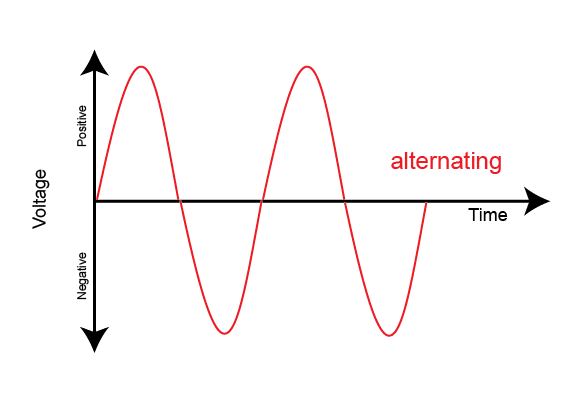
The project utilizes High Voltage Direct Current (HVDC), a technology distinct from the Alternating Current (AC) typically used in local distribution grids. HVDC is specifically engineered for long-distance bulk power transmission because it suffers from significantly lower line losses than AC over hundreds or thousands of kilometers.
By utilizing HVDC, engineers can move electricity from remote energy-generation hubs to high-demand urban centers with greater efficiency, making it the standard choice for “electric highways” of this scale.
International Engineering Collaboration
The construction of the corridor is a joint effort, combining the expertise of Chinese and European engineers. This partnership highlights the global nature of high-end electrical engineering, where the demand for unprecedented power capacity requires the pooling of technical resources and manufacturing capabilities to build hardware that exceeds previous industrial limits.
