
Chaos at World Cup Opening Game as Violent Clashes Erupt Outside Stadium
Anti-government protesters clashed with riot police outside the Azteca stadium during the World Cup opening game, according to reports from Fox News and The Guardian. Protesters used petrol bombs and bricks against security forces while celebrations occurred inside, reflecting broader social tensions in Mexico, as reported by PBS.
What happened during the clashes at the Azteca stadium?
Violent unrest broke out in the vicinity of the Azteca stadium just as the World Cup opening match began. According to The Guardian, the confrontation escalated when protesters began hurling bricks and petrol bombs at Mexican police officers stationed outside the venue. These attacks were part of a larger wave of instability that disrupted the pre-match atmosphere.
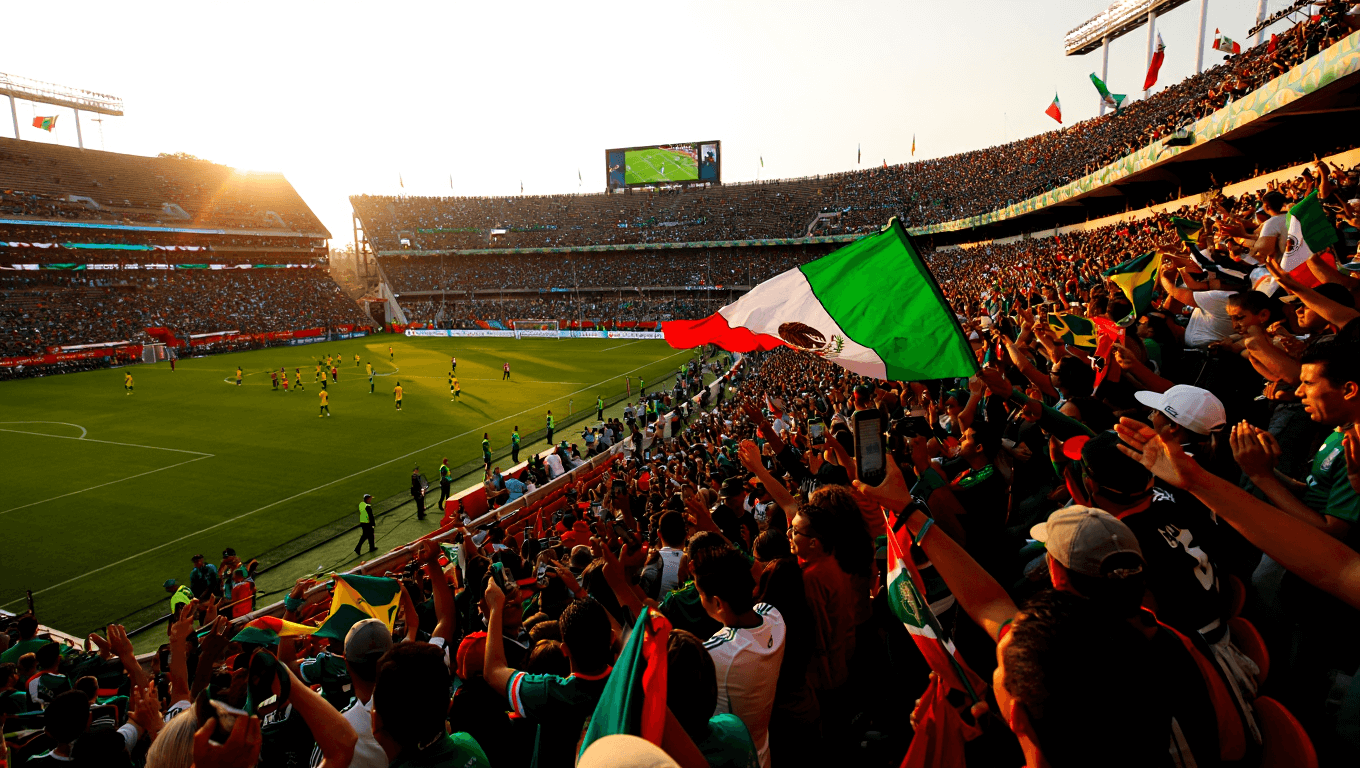
Fox News reported that the clashes took place simultaneously with the event’s opening festivities. While the singer Shakira performed inside the stadium for the global audience, riot police fought to contain anti-government demonstrators on the perimeter. The juxtaposition of the high-profile entertainment inside and the violence outside highlighted a sharp divide between the official celebration and the unrest on the streets.
The scale of the disruption was described by the Daily Express as “chaos,” noting that the violence erupted specifically as fans attempted to enter the stadium for the opening game. Security forces deployed riot gear to push back the crowds and prevent the protesters from breaching the stadium gates.
| Event Detail | Reported Fact | Source |
|---|---|---|
| Weapons Used | Petrol bombs and bricks | The Guardian |
| Timing | During Shakira’s performance | Fox News |
| Atmosphere | Chaos and violent clashes | Daily Express |
| Underlying Cause | Social tensions/Anti-government sentiment | PBS / Fox News |
Why did the President of Mexico decline to attend the match?
The New York Times reported that Mexico’s president will not attend the World Cup opening match. While official reasons for the absence are often framed as scheduling conflicts, the timing coincides with the eruption of violent protests and heightened social instability.
The president’s decision to skip the event is seen as a significant political signal. Attending a high-profile celebration while citizens engage in violent clashes with riot police could have provided a visual catalyst for further unrest. By remaining absent, the administration avoids the optics of celebrating while the country faces visible internal strife.
This absence underscores the volatility of the current political climate. The decision suggests that the security risks or the political cost of appearing at the Azteca stadium outweighed the benefits of the president’s presence at a major national sporting event.
How do these clashes reflect broader social tensions in Mexico?
The unrest outside the stadium is not an isolated sporting riot but a symptom of deeper systemic issues. According to PBS, the World Cup celebrations clashed directly with existing social tensions in Mexico. These tensions often stem from economic inequality, government corruption, and security concerns that persist despite the festive nature of the tournament.
Fox News specifically identified the participants in the clashes as anti-government protesters. This indicates that the World Cup served as a global stage for domestic grievances. Protesters often utilize the international media attention surrounding major events to amplify their demands and draw attention to the instability within their own borders.
“World Cup celebrations clash with social tensions in Mexico,” according to reporting by PBS.
The use of petrol bombs and bricks, as noted by The Guardian, suggests a level of aggression that goes beyond peaceful protest. This shift toward violent confrontation indicates a breakdown in communication between the state and certain segments of the population, which manifests in the most visible public spaces during moments of national pride.
Comparing the media framing of the unrest
Different news outlets characterized the events with varying degrees of focus, providing a broader picture of the crisis when viewed collectively:
- The Daily Express focused on the immediate “chaos,” emphasizing the disruption to the sporting event and the shock of the violence.
- The Guardian provided specific details on the weaponry used, such as petrol bombs, highlighting the tactical nature of the violence.
- Fox News emphasized the contrast between the glitz of the opening ceremony—specifically Shakira’s performance—and the grit of the riot police clashes.
- PBS took a sociological approach, framing the event as a collision between a global celebration and internal social strife.
- The New York Times focused on the political fallout, specifically the strategic absence of the Mexican presidency.
What are the implications for the remainder of the tournament?
The violence at the opening game sets a precarious tone for the rest of the World Cup. The fact that riot police were required to repel petrol bombs at the Azteca stadium suggests that security protocols may need to be significantly tightened for subsequent matches.
There is a risk that future games could become magnets for further anti-government demonstrations. If protesters perceive that the opening game successfully drew international attention to their cause, they may attempt similar disruptions at other high-profile fixtures. This would force the host city and national security forces to balance the need for a welcoming fan experience with the necessity of maintaining strict order.
Furthermore, the absence of the president may set a precedent for other high-ranking officials. If the political environment remains volatile, the tournament could see a lack of official state representation, which could be interpreted globally as a sign of instability within the host nation.
Related explainer on international sporting events and political protest.
Common misconceptions regarding the clashes
It is a common oversimplification to categorize these events as “hooliganism” or sports-related violence. However, the reports from Fox News and PBS clarify that the unrest was driven by anti-government sentiment rather than rivalry between football fans. While sports riots usually center on team conflicts, these clashes were centered on political grievances, using the stadium as a backdrop for a larger social struggle.
Another misconception is that the violence was a spontaneous reaction to the game. The reports of organized petrol bomb attacks suggest a level of preparation and intent that points to planned political demonstrations rather than an organic crowd surge.
Frequently Asked Questions
What caused the chaos at the World Cup opening game?
According to Fox News and PBS, the chaos was caused by anti-government protesters clashing with riot police. The unrest was fueled by broader social tensions in Mexico, leading to violent confrontations outside the stadium.
What weapons were used during the protests at the Azteca stadium?
The Guardian reported that protesters hurled bricks and petrol bombs at Mexican police officers during the pre-match unrest.
Did the President of Mexico attend the opening match?
No. The New York Times reported that Mexico’s president did not attend the opening match, a move that coincided with the violent protests outside the venue.
Who was performing inside the stadium while the clashes occurred?
Fox News reported that the singer Shakira was performing inside the stadium while riot police were clashing with protesters on the outside.
Was the violence related to football rivalry?
No. Reports from PBS and Fox News indicate the clashes were political in nature, involving anti-government protesters rather than football fans fighting over team loyalties.
