Cataract Prevention: Eye Doctor Shares 6 Daily Habits to Protect Your Vision and Reduce Cataract Risk
Reducing cataract risk involves a combination of UV protection, dietary adjustments, and metabolic health management. According to guidance shared via TheHealthSite, six daily habits—including the consistent use of sunglasses and the regulation of blood sugar—can slow the progression of lens clouding. Early detection remains critical, as many early symptoms are frequently mistaken for natural aging processes.
How Daily Habits Influence Cataract Development
Cataracts occur when the proteins within the eye’s natural lens begin to clump together, creating a clouding effect that obstructs light from reaching the retina. While age is the primary risk factor, medical professionals emphasize that lifestyle choices can either accelerate or decelerate this degradation. According to reports from TheHealthSite, implementing specific daily routines can significantly lower the probability of early-onset cataracts.
The primary goal of prevention is to reduce oxidative stress on the lens. The lens is highly susceptible to damage from free radicals and ultraviolet (UV) radiation, which break down protein structures over time. By mitigating these external and internal stressors, individuals can maintain lens clarity for a longer period.
1. Consistent UV Protection
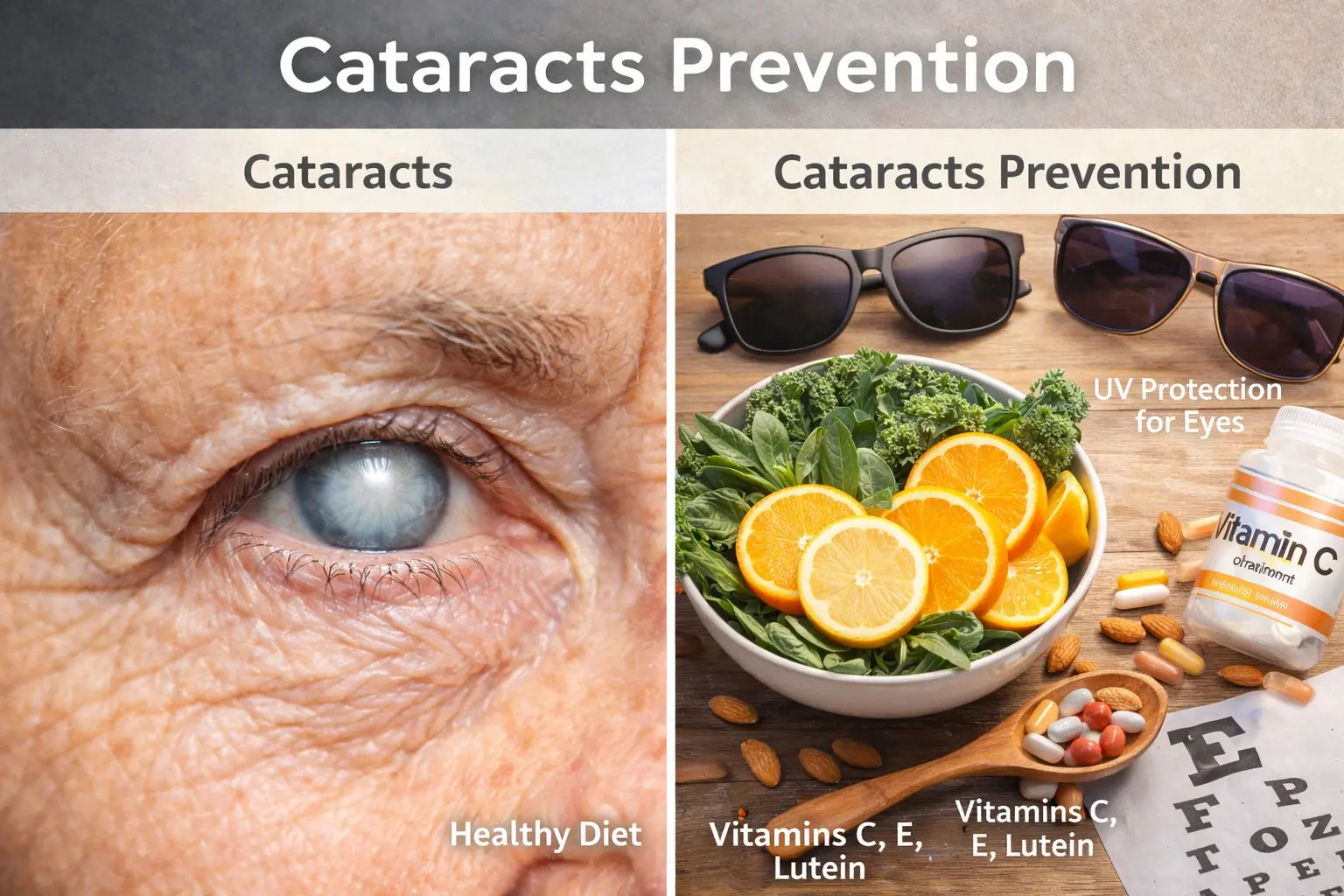
Ultraviolet radiation from the sun acts as a catalyst for protein denaturation in the eye. Eye specialists state that long-term exposure to UV-A and UV-B rays increases the likelihood of cortical cataracts. To counter this, the use of sunglasses that block 99% to 100% of UVA and UVB radiation is recommended daily, regardless of the season.
Wide-brimmed hats provide an additional layer of defense by blocking light from entering the eye from the top and sides. This prevents “scattered” UV rays from bypassing the lenses of sunglasses, further protecting the delicate proteins of the lens.
2. Nutritional Support and Antioxidants
Diet plays a fundamental role in ocular health. According to the guidance on TheHealthSite, a diet rich in antioxidants—specifically vitamins C and E—helps neutralize free radicals that contribute to lens opacity. Leafy greens, such as spinach and kale, provide lutein and zeaxanthin, carotenoids that concentrate in the macula and lens to filter harmful blue light.
- Omega-3 Fatty Acids: Found in salmon and walnuts, these reduce systemic inflammation.
- Vitamin C: Citrus fruits and bell peppers support the structural integrity of the lens.
- Dark Leafy Greens: Provide essential pigments that act as “natural sunglasses” inside the eye.
3. Smoking Cessation
Tobacco use is directly linked to an increased risk of cataract formation. Nicotine and other toxins in cigarettes increase the concentration of free radicals in the ocular tissues. According to medical data, smokers are more likely to develop cataracts earlier in life than non-smokers because the chemicals in tobacco accelerate the oxidation of lens proteins.
4. Blood Sugar Regulation
Diabetes is one of the most significant metabolic risk factors for cataract development. High levels of glucose in the blood can lead to the accumulation of sorbitol in the lens. This process causes the lens to swell and cloud more rapidly than it would in a non-diabetic individual. Maintaining a stable HbA1c level through diet, exercise, and medication is cited as a critical preventive measure.
5. Weight Management and Metabolic Health
Obesity is often linked to other comorbidities, such as hypertension and type 2 diabetes, which indirectly increase cataract risk. Furthermore, chronic systemic inflammation associated with high body mass indices can affect the microvasculature of the eye. Regular physical activity helps maintain healthy blood pressure, reducing the strain on the ocular blood vessels.
6. Regular Comprehensive Eye Examinations
Many cataracts develop slowly and without pain, making them difficult to detect without professional equipment. Routine dilated eye exams allow doctors to identify early protein clumping before the patient notices a significant drop in vision. Early detection allows for the management of risk factors before the cataract reaches a stage where surgical intervention is the only option.
“Prevention is not about stopping the clock on aging, but about reducing the environmental and metabolic triggers that accelerate the clouding of the lens,” as noted in the health guidance regarding cataract risk reduction.
Identifying Symptoms Often Mistaken for Aging
A significant challenge in cataract management is the overlap between cataract symptoms and the natural decline of vision associated with aging, such as presbyopia (the loss of near-focusing ability). Reports from Moneycontrol highlight that five specific symptoms are frequently dismissed as “just getting older,” which delays necessary treatment.
Cloudy or Blurry Vision
While many people expect their vision to dim slightly as they age, cataracts cause a specific type of clouding. This is often described as looking through a frosty or fogged-up window. Unlike a simple need for new reading glasses, this blurriness persists regardless of the focal distance.
Increased Sensitivity to Glare
A hallmark of cataract progression is the scattering of light as it enters the eye. This often manifests as “halos” around streetlights at night or an intense blindness when facing the sun. While some light sensitivity increases with age, the presence of distinct halos is a strong indicator of lens opacity.
Fading or Yellowing of Colors
As the lens clouds, it often takes on a yellowish or brownish tint. This acts as a filter, making colors appear muted or “muddy.” Patients may find that white fabrics look yellow or that they struggle to distinguish between blue and grey. This chromatic shift is a clinical sign of a nuclear cataract.
Frequent Changes in Eyeglass Prescriptions
Cataracts can actually change the refractive power of the lens. In some cases, this causes a “second sight” phenomenon where a person with hyperopia (farsightedness) suddenly finds they can read without glasses again. While this seems like an improvement, it is actually a sign of the lens swelling and changing shape due to cataract formation.
Double Vision in a Single Eye
Unlike binocular double vision (where the two eyes are misaligned), cataracts can cause monocular double vision. This happens because the clouding in the lens is uneven, causing light to split into two different paths before it hits the retina. This is a specific diagnostic marker that distinguishes cataracts from general age-related vision loss.
| Symptom | Natural Aging (Presbyopia) | Cataract Indicator |
|---|---|---|
| Near Vision | Difficulty focusing on close objects | Blurry vision at all distances |
| Light Response | General sensitivity to bright light | Halos and glare around light sources |
| Color Perception | Generally remains stable | Colors appear yellowed or faded |
| Prescription | Gradual increase in reading power | Rapid, unexpected shifts in prescription |
The Biological Mechanism of Lens Clouding
To understand why the habits mentioned by TheHealthSite are effective, it is necessary to examine the biology of the eye. The lens is composed mainly of water and proteins called crystallins. These proteins are arranged in a precise order to remain transparent and flexible.
Oxidation occurs when unstable molecules, known as free radicals, damage these crystallins. When the proteins are damaged, they lose their structure and begin to aggregate into larger clumps. These clumps block the passage of light. This is why antioxidants—which neutralize free radicals—are so vital for prevention.
UV radiation accelerates this process by triggering a chemical reaction that breaks the bonds between protein molecules. Similarly, high blood sugar levels lead to the glycation of proteins, where sugar molecules bond to the crystallins, making them stiff and opaque. This biological reality explains why managing diabetes is as important as wearing sunglasses for those seeking .
Comparing Prevention Strategies and Their Impact
When analyzing the approach to cataract prevention, there is a clear distinction between environmental mitigation and systemic health management. Environmental strategies, such as UV protection, provide an immediate shield against external triggers. Systemic strategies, such as diet and blood sugar control, address the internal chemistry of the eye.
Medical consensus suggests that while genetics play a role, the combination of these two approaches provides the most comprehensive defense. For example, a person with a genetic predisposition to cataracts can still delay the onset of the condition by avoiding smoking and maintaining a low-glycemic diet. Conversely, someone with excellent genetics may still develop cataracts if they spend decades in high-UV environments without protection.
The shift in modern ophthalmology is moving toward “preventive maintenance.” Rather than waiting for a patient to report vision loss, the focus is now on the “six daily habits” to preserve the natural lens for as long as possible, thereby delaying the need for surgical intervention.
The Role of Surgical Intervention
Despite the best preventive efforts, some cataracts are inevitable due to the natural aging process. When the clouding interferes with daily activities—such as driving, reading, or working—surgery becomes the primary solution. Modern cataract surgery involves removing the cloudy natural lens and replacing it with a clear artificial intraocular lens (IOL).
The effectiveness of the “six daily habits” is not measured by the total elimination of the need for surgery, but by the delay of that need. Delaying surgery by five or ten years can significantly improve a patient’s quality of life and reduce the risks associated with surgical procedures in very advanced age.
Frequently Asked Questions About Cataract Prevention
Can cataracts be reversed without surgery?
Once the proteins in the lens have clumped and caused opacity, they cannot be “un-clumped” or reversed through medication, eye drops, or diet. The only way to restore clear vision after a cataract has formed is through surgical removal of the cloudy lens. However, preventive habits can slow the progression of existing cataracts.

At what age should I start focusing on cataract prevention?
Preventive habits, particularly UV protection and smoking cessation, should begin as early as possible. UV damage is cumulative over a lifetime, meaning the protection you use in your 20s and 30s directly impacts your risk of cataracts in your 60s and 70s.
Do blue-light blocking glasses prevent cataracts?
While blue-light filters may reduce digital eye strain, they are not a substitute for UV-blocking sunglasses. The primary driver of cataract formation is ultraviolet radiation (UVA/UVB), not the visible blue light emitted by screens. For cataract prevention, ensure your eyewear specifically lists UV protection.
Can a healthy diet truly stop cataracts?
A healthy diet cannot stop the biological process of aging, but it can reduce the rate of oxidation. Antioxidants like lutein and vitamin C help protect the lens from oxidative stress, which may delay the onset of cataracts, but they cannot cure them once they have developed.
Is there a difference between cataracts and glaucoma?
Yes. A cataract is a clouding of the lens, whereas glaucoma is a group of diseases that damage the optic nerve, usually due to high pressure within the eye. While both can lead to vision loss, cataracts are generally treatable with surgery, whereas the vision loss from glaucoma is typically permanent.
