
Labor Crisis Hits Firefighting Efforts in Castilla y León
A severe breakdown in negotiations between the regional government and forestry sectors has led to a critical shortage of firefighting personnel in Castilla y León. An employers’ association has announced that 950 firefighters will no longer respond to fires in the region, signaling a collapse in cooperation during a high-risk period.

- Personnel Impact: 950 firefighters refusing to attend fires.
- Prevention Cuts: 13% reduction in fire prevention areas.
- Primary Conflict: Labor disputes between forestry companies, unions, and the regional government (Junta).
Unsustainable Conditions and Service Cuts
The crisis comes amid reports that the regional government has reduced the areas designated for fire prevention by 13%, a move that has drawn sharp criticism given the intensity of the fires experienced last summer. Forestry companies operating in the region have stated they will no longer participate in extinction efforts, citing a breaking point in their operations.
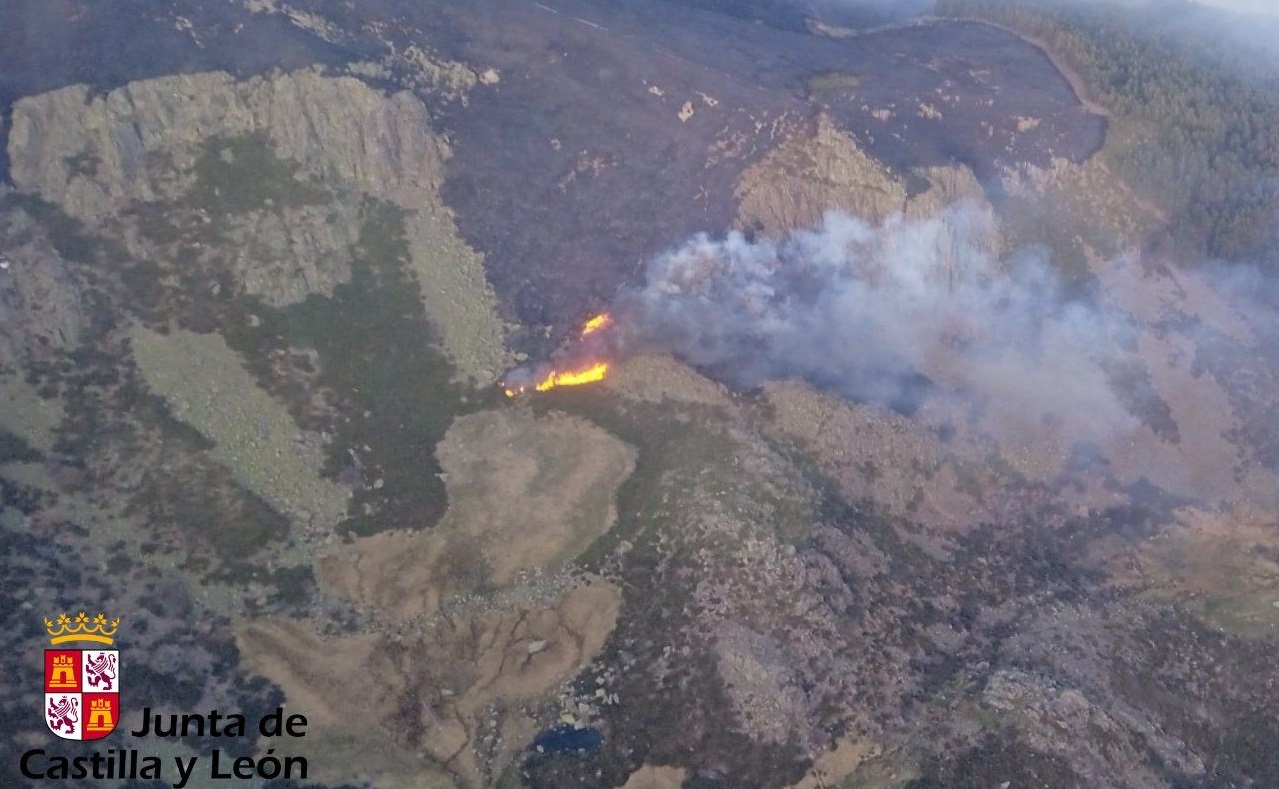
The situation is unsustainable. Forestry companies in Castilla y León
The withdrawal of these services leaves a significant gap in the region’s ability to combat blazes, shifting the burden of emergency response and increasing the vulnerability of the landscape.
Union Warnings of Government Passivity
The UGT union has issued a stark warning regarding the heightened risk of fires, attributing the danger to the regional government’s handling of the situation. The union has characterized the Junta’s approach as one of “absolute passivity,” suggesting that the lack of proactive management has left the region exposed.
This sentiment is echoed by local reports describing the current struggle against the threat of fire as a “final effort against the horror of fire,” highlighting the emotional and physical toll on those remaining in the field.
The standoff now centers on whether the regional government will address the demands of the employers’ association and the unions to restore essential firefighting services before the seasonal risks escalate further.
