
Capcom Has “No Plans” To Bring Resident Evil Code: Veronica X To Switch Online – Nintendo Life
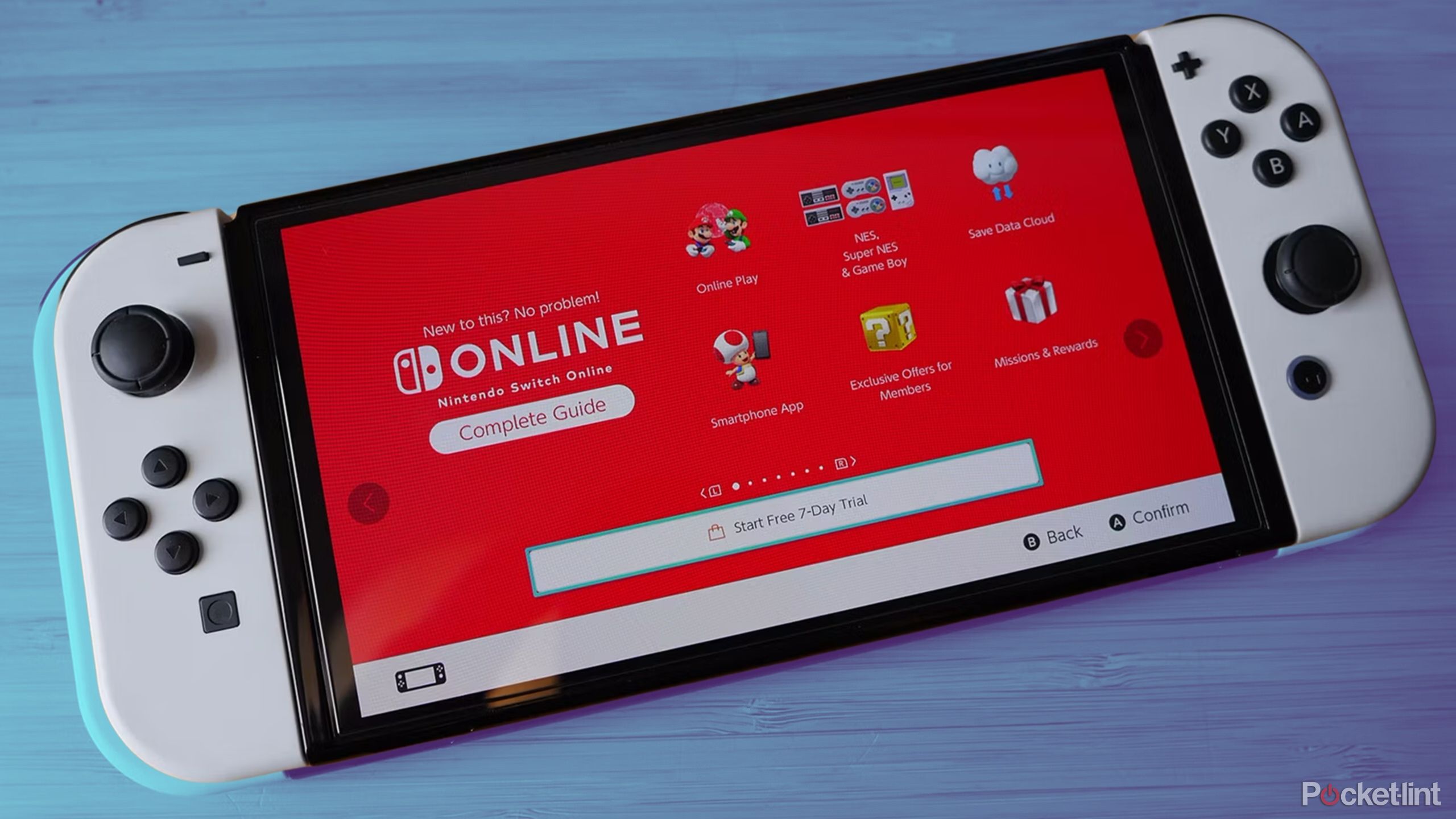
Capcom has no current plans to bring Resident Evil Code: Veronica X to the Nintendo Switch Online service or the anticipated GameCube: Nintendo Classics library for the Switch’s successor, according to reports from Nintendo Life and GoNintendo. This confirmation leaves a significant gap in the series’ availability on Nintendo hardware, despite the title’s historical presence on the GameCube.
Why is Resident Evil Code: Veronica X missing from Nintendo Switch Online?
Capcom has explicitly stated there are “no plans” to integrate Resident Evil Code: Veronica X into the Nintendo Switch Online ecosystem, according to Nintendo Life. While other legacy titles from the Resident Evil franchise have found their way to modern platforms through remakes or ports, this specific entry remains in a state of limbo. The lack of a port is particularly notable given the title’s role as a bridge between the early fixed-camera entries and the more action-oriented titles that followed.
The situation extends beyond the current Nintendo Switch hardware. GoNintendo reports that Capcom has also indicated no plans for the game to join a “GameCube: Nintendo Classics” collection on the Switch 2, the rumored successor to the current console. This suggests that the barrier to entry is not merely the technical limitations of the current Switch, but a strategic decision by Capcom regarding how they manage their legacy IP.
Industry observers note that Capcom has prioritized high-budget remakes—such as those for Resident Evil 2, 3, and 4—over simple emulation of mid-era titles. This strategy focuses on maximizing visual fidelity and modern control schemes rather than providing a comprehensive library of original releases via subscription services.
How does the “Code” naming controversy affect the game’s identity?
The identity of the game has long been a point of confusion for fans, particularly regarding the use of the word “Code” in the title. Eurogamer reports that Capcom has provided explanations for why some versions of the game have ditched the “Code” from the original name. This naming inconsistency often creates friction in search results and digital storefronts, contributing to the fragmented way the game is perceived by the public.
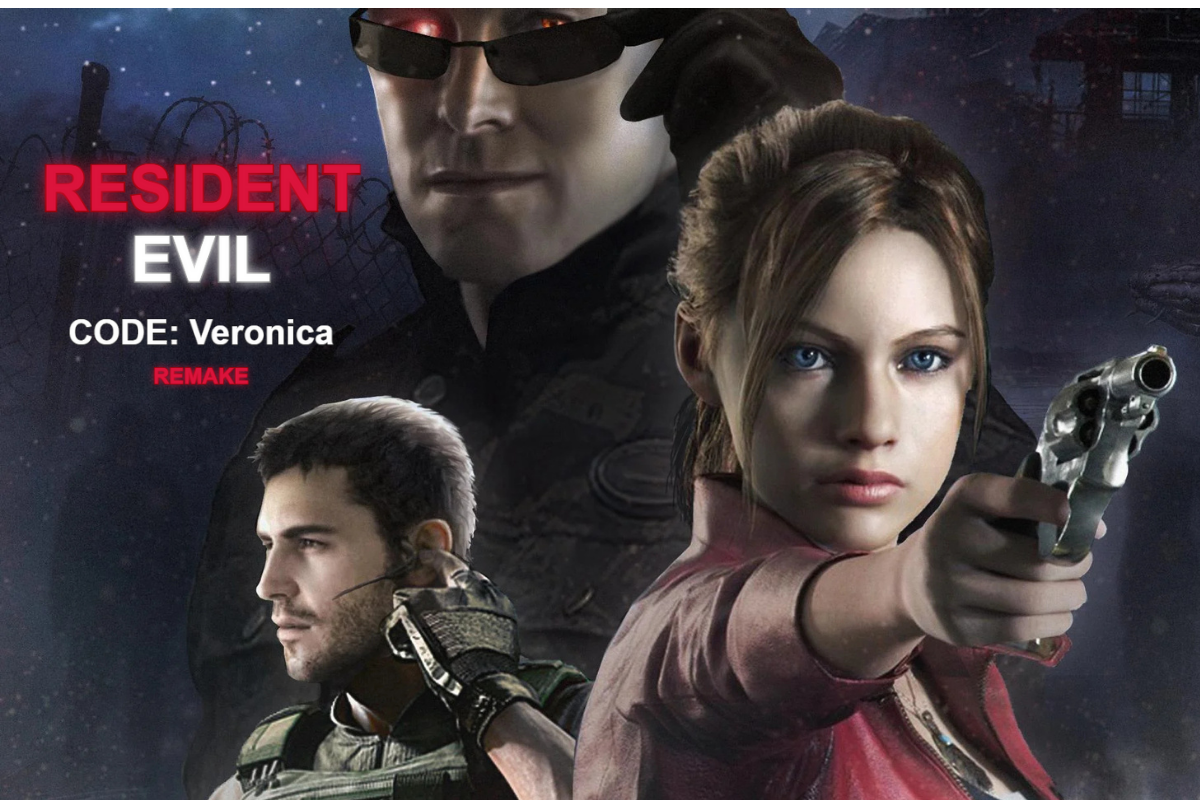
The “X” in Resident Evil Code: Veronica X refers to the enhanced version of the original Dreamcast release. This version introduced new cutscenes and adjusted gameplay elements to better align the story with the broader Resident Evil lore. By removing “Code” in certain contexts, Capcom has attempted to streamline the branding, though the move has left some longtime players questioning which version of the experience is the definitive one.
The following table outlines the primary distinctions between the versions of the game as understood through various releases:
| Version | Key Feature | Primary Platform | Naming Convention |
|---|---|---|---|
| Original | Standard gameplay | Dreamcast | Code: Veronica |
| X (Enhanced) | Added cutscenes/refined plot | PS2 / GameCube | Code: Veronica X |
| Modern Mentions | Streamlined branding | Various/Digital | Resident Evil Veronica |
Was the first-person perspective in the trailer a mistake?
Recent marketing materials created a wave of speculation regarding the game’s camera perspective. A trailer featuring first-person gameplay led many fans to believe a full remake or a perspective shift was underway. However, a Capcom producer confirmed to GamesRadar+ that the first-person trailer was a “deliberate misdirect.”
The producer clarified that the game remains fully third-person. This confirmation puts an end to rumors that Capcom was experimenting with the first-person horror style seen in Resident Evil 7 and Village for this specific legacy title. The decision to use a misdirect in the trailer suggests that Capcom is aware of the high demand for a Resident Evil Veronica remake and is playing with community expectations.
This misdirect highlights a recurring theme in Capcom’s current marketing strategy: creating ambiguity to generate social media engagement. By teasing a perspective that doesn’t exist in the game, they sparked a global conversation about the title’s potential return, even while officially stating there are no plans for a Switch Online release.
What narrative changes are being made to the villain?
Beyond the technical and platform discussions, the core story of Resident Evil Veronica is seeing internal scrutiny. GameSpot reports that one of the biggest rewrites currently being considered for the title involves its primary villain. While specific plot details remain under wraps, the report indicates that the antagonist’s motivations and role in the overarching Umbrella Corporation lore are being re-evaluated.
The villain in Code: Veronica has always been central to the series’ family-based tragedy, focusing on the Ashford family’s descent into madness. A rewrite of this character would likely be intended to fix continuity errors that have accumulated over twenty years of franchise expansion. This suggests that if the game ever does return in a form other than a simple port—such as a full remake—the narrative will be significantly altered.
Key points regarding the potential narrative shifts include:
- Continuity Alignment: Updating the villain’s goals to fit with the established history of the Resident Evil remakes.
- Character Depth: Expanding the psychological profile of the antagonist to meet modern storytelling standards.
- Lore Integration: Better connecting the events of Veronica to the later “Wesker” arcs of the series.
The broader context of Capcom’s Nintendo relationship
The absence of Resident Evil Code: Veronica X from Nintendo’s current and future plans is a curious anomaly. Historically, Capcom and Nintendo have maintained a productive relationship, with the GameCube serving as a primary home for many Resident Evil titles during the early 2000s. The GameCube version of Code: Veronica X was praised for its technical stability compared to the PlayStation 2 version.
Currently, Capcom’s strategy appears to be centered on “platform agnosticism.” They release titles across PC, PlayStation, and Xbox simultaneously, while treating Nintendo platforms as secondary targets for ports. For example, the Resident Evil Village and Resident Evil 4 Remake ports to Switch were technical achievements, but they were not developed natively for the hardware.
The refusal to place Code: Veronica X on Switch Online suggests that Capcom views the title as a “legacy asset” that is more valuable as a potential remake than as a low-cost emulation. If Capcom were to release the original game via a subscription service, it might diminish the financial incentive to develop a full-scale remake in the future. This is a common trend among major publishers who hold a large catalog of intellectual property.
“The decision to withhold legacy titles from subscription services often stems from a desire to control the ‘definitive’ version of the experience, ensuring that players encounter the IP in its most profitable and polished form.”
Comparing the reports: Nintendo Life vs. GoNintendo
While both outlets report a lack of plans for the game, they focus on different timelines and platforms. Nintendo Life focuses on the immediate term and the current Nintendo Switch Online subscription service. This is a service designed for emulation of NES, SNES, N64, and Game Boy titles, with a separate expansion pack for Game Boy Advance. Adding a GameCube-era title like Code: Veronica X would require a significant expansion of the service’s capabilities.
GoNintendo, conversely, looks toward the Switch 2 and the potential for a “GameCube: Nintendo Classics” library. This is a more significant revelation because it suggests that even with more powerful hardware capable of native or high-quality GameCube emulation, Capcom is still hesitant to bring the title back. This distinguishes the issue from a technical limitation and frames it as a corporate strategy decision.
This contrast reveals a pattern: Capcom is not just saying “no” to the current hardware, but is potentially saying “no” to the concept of simple emulation for this specific title across multiple generations of hardware.
Common misconceptions about Resident Evil Code: Veronica X
Due to the fragmented nature of the reports and the game’s complex release history, several misconceptions persist among the gaming community.
Is the game coming as a remake?
While there is no official announcement of a remake, the “no plans” for a Switch Online port often fuels remake rumors. The report from GameSpot regarding the rewrite of the villain suggests that narrative work is happening behind the scenes, but Capcom has not confirmed a full remake project.
Is it a first-person game?
No. Despite the trailer that caused confusion, a Capcom producer confirmed to GamesRadar+ that the game is fully third-person. Any first-person footage seen in recent teasers was a deliberate attempt to mislead the audience.
Why is it called “Veronica” in some places and “Code: Veronica” in others?
As reported by Eurogamer, this is a branding choice by Capcom to simplify the title. The “Code” prefix was a staple of the original release, but modern marketing often drops it for brevity and clarity in digital stores.
FAQ: Resident Evil Code: Veronica X and Nintendo
Will Resident Evil Code: Veronica X ever be on the Nintendo Switch?
According to Nintendo Life, Capcom currently has “no plans” to bring the game to the Switch Online service. While a standalone port is theoretically possible, there has been no official confirmation of such a project.
What is the difference between the original and the “X” version?
The “X” version is an enhanced edition that includes additional cinematic sequences and plot refinements to better integrate the story into the wider Resident Evil timeline. It is the version most commonly found on the GameCube and PS2.
Is there a “GameCube: Nintendo Classics” library coming to Switch 2?
GoNintendo has reported on the possibility of such a library, but Capcom has specifically stated that Resident Evil Code: Veronica is not planned for inclusion in that collection.
Why did the trailer show first-person gameplay?
A Capcom producer told GamesRadar+ that the first-person perspective was a “deliberate misdirect” intended to play with fan expectations, not a reflection of the actual gameplay.
Who is the villain in Resident Evil Code: Veronica?
The game focuses on the Ashford family. However, GameSpot reports that Capcom is considering a significant rewrite of the villain’s role and motivations to better align with the series’ modern lore.
For those interested in how Capcom manages its other legacy titles, a related explainer on Resident Evil remakes provides a deeper look at the technical process of updating 90s horror for modern consoles.
