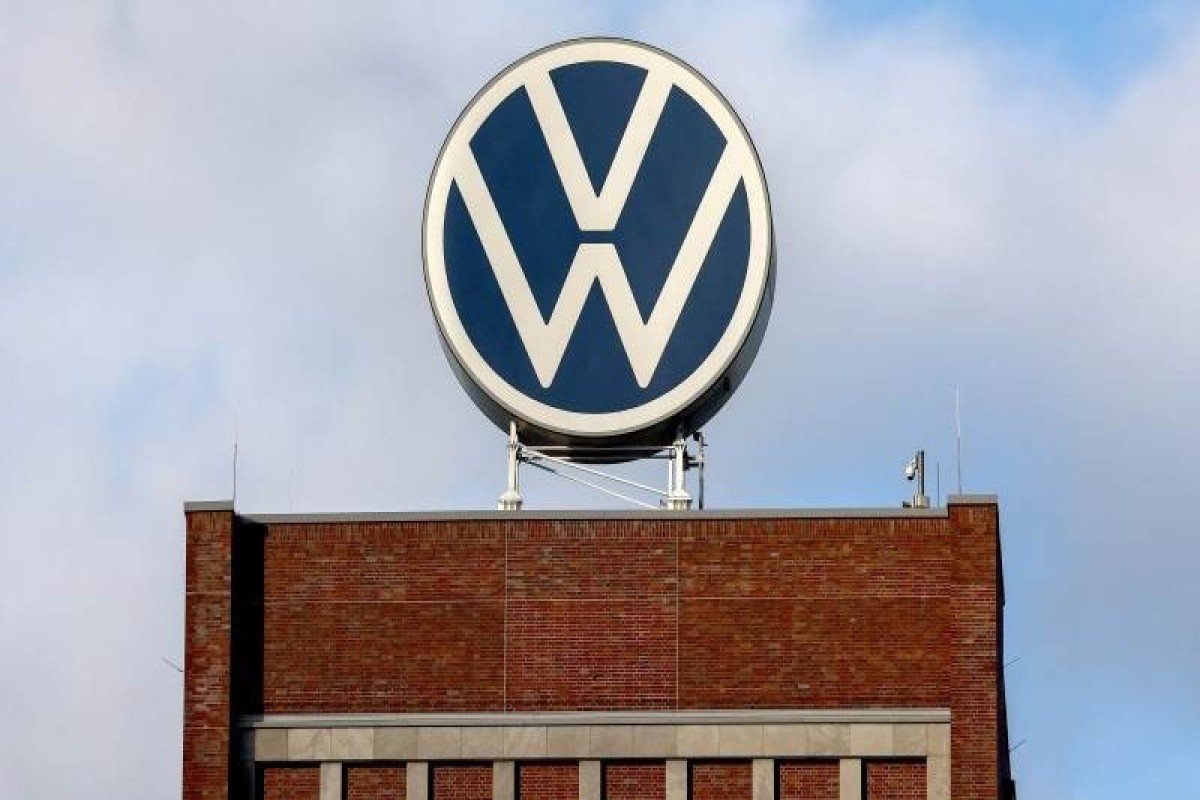
Deutsches VW-Werk wird zum Rüstungsstandort
Volkswagen and private equity firm Aurelius Capital have agreed to restructure the Osnabrück plant into a defense manufacturing hub anchored by Israel's Rafael.
OSNABRÜCK — Germany's automotive landscape is shifting as the Volkswagen plant in Osnabrück prepares to transition from passenger car assembly to a defense manufacturing hub anchored by missile-defense technology from Israel. Volkswagen, the state of Lower Saxony, and private equity firm Aurelius Capital agreed on key structural terms to transform the declining facility, according to a corporate announcement issued on Monday and reported by outlets including Manager Magazin.
Under the agreed framework, Aurelius will take a majority stake in the Volkswagen Osnabrück GmbH entity alongside a minority stake held by the state of Lower Saxony. Regional reports from Nachrichten reveal that a straightforward sale was rendered impossible due to heavy objections from major Volkswagen shareholder Qatar. The Gulf state maintains political and financial contact with the militant Islamist group Hamas and has not normalized diplomatic relations with Israel, complicating direct corporate dealings with an Israeli defense contractor.
Related YouTube video



From Karmann Coachbuilding to Air Defense Hardware
The Osnabrück facility traces its industrial lineage back to the coachbuilding pioneer Wilhelm Karmann GmbH, which began building the Beetle Cabriolet in 1949 and achieved global renown with the Karmann Ghia. After Karmann slipped into insolvency in 2009, Volkswagen absorbed significant portions of the plant. This rescue was championed at the time by Christian Wulff, then serving as the CDU premier of Lower Saxony and an active member of the VW supervisory board, whose constituency included Osnabrück, as detailed by manager-magazin.de and Lessentiel. Volkswagen subsequently operated the facility as a niche, multi-brand plant handling small-series assembly and overflow output from other factories.
According to announcements cited by Vol and nachrichten.at, that final vehicle line will be phased out by the summer of 2027, following the prior conclusion of Porsche assembly lines.
The Rafael Anchor Partnership and Technology Transfer
The incoming defense manufacturing operation centers on a strategic partnership with Israel's state-owned Rafael Advanced Defense Systems, a Tel Aviv-headquartered contractor whose Israeli-based parent managing director Tomer Jacob praised Osnabrück's precision manufacturing teams. The initial anchor project focuses on developing and producing components for advanced air defense systems and guided missiles, according to manager-magazin.de.
Rafael is globally recognized as the manufacturer of the Iron Dome system used to intercept rockets, cruise missiles, and drones. Beyond the Iron Dome, lessentiel.lu notes that Rafael produces the Iron Beam laser weapon system against aerial targets and the Trophy active protection system integrated onto German Leopard main battle tanks. Rafael CEO Joav Tourgeman emphasized that the primary objective of the long-term industrial partnership is to ensure that the defense technology is manufactured entirely within Germany to safeguard the nation and the broader European continent, a sentiment echoed in the corporate statements reported by nachrichten.at.
| Stakeholder | Role in Osnabrück Transformation |
|---|---|
| Aurelius Capital | Majority shareholder of the newly formed defense manufacturing entity. |
| State of Lower Saxony | Minority equity partner acting as a public sector backstop. |
| Rafael Advanced Defense Systems | Anchor defense technology partner supplying air defense and missile components. |
| Volkswagen AG | Outgoing automotive owner winding down car assembly by summer 2027. |
Workforce Impact, Labor Math, and Unresolved Exposures
The industrial pivot carries profound consequences for the plant's roughly 1,800 workers, who have faced prolonged anxiety over the facility's underutilization. While the transition promises a fresh operational mandate, the restructuring requires reducing headcount. Labor representatives, including plant works council chief Daniela Cavallo and IG Metall leader Christiane Benner, negotiated protections ensuring that existing collective bargaining agreements, employment contracts, and works council structures remain fully in place following the corporate transition, as outlined by manager-magazin.de and nachrichten.at.
| Employee Category | Workforce Size | Status and Outlook |
|---|---|---|
| Protected Production Staff | Approx. 1,200 to 1,400 workers | Secured by a job retention pact running through late 2029. |
| Development and Unassigned Staff | Remaining unassigned personnel | No immediate transition solution; active negotiations ongoing. |
| Total Current Workforce | Approx. 1,800 workers | Subject to gradual reduction via retirement and partial retirement schemes. |
The negotiated framework targets a post-transition core headcount of approximately 1,200 positions, providing a job security guarantee through late 2029 for those retained workers, according to manager-magazin.de. This reduction will be achieved primarily through retirement and partial retirement programs rather than sudden mass dismissals. However, manager-magazin.de and nachrichten.at report that for remaining employees, particularly those in development divisions, no definitive solution has yet been established, leaving labor leaders pressing Volkswagen for further guarantees.
Frequently Asked Questions
When will automobile manufacturing completely end at the Osnabrück plant?
Car production is scheduled to phase out by the summer of 2027, following the prior wind-down of Porsche assembly lines and the final conclusion of T-Roc Cabrio output.
Who will own and control the transformed manufacturing facility?
Private equity firm Aurelius Capital will take a majority ownership stake in the newly organized corporate entity, while the state of Lower Saxony will hold a minority stake.
What specific defense technology will be manufactured at the site?
The plant will initially focus on developing and producing components for air defense systems and guided missiles in cooperation with Israel's Rafael, known for manufacturing the Iron Dome.
The agreement announced this week remains a preliminary framework rather than a closed transaction. Legal execution is contingent upon final contractual agreements, formal approvals from corporate governance committees, and rigorous regulatory clearance from antitrust and security authorities, as highlighted by manager-magazin.de and lessentiel.lu. As stakeholders work through the economic and organizational design in the coming months, the ultimate realization of the project depends on these administrative hurdles clearing successfully before the scheduled automotive phase-out.
Archypedia is dedicated to independent, evidence-backed reporting. This briefing was synthesized from primary source reporting, corroborated across independent newsrooms, and verified against our Editorial Standards.
Transparency record
Evidence behind this report
This report synthesizes 5 distinct sources. Open the source ledger below to compare the underlying coverage.
Prepared under the Archypedia Editorial Policy by the Elena Voss editorial desk profile. AI-assisted tools may support drafting and verification; public accountability remains with Archypedia. Report an error.