Nats glitch cancels up to 1,000 UK flights causing widespread delays
A systemic failure in UK air traffic control infrastructure led to approximately 1,300 flight cancellations and widespread diversions, prompting a government briefing.

The Mechanism of Collapse: From Data to Tarmac
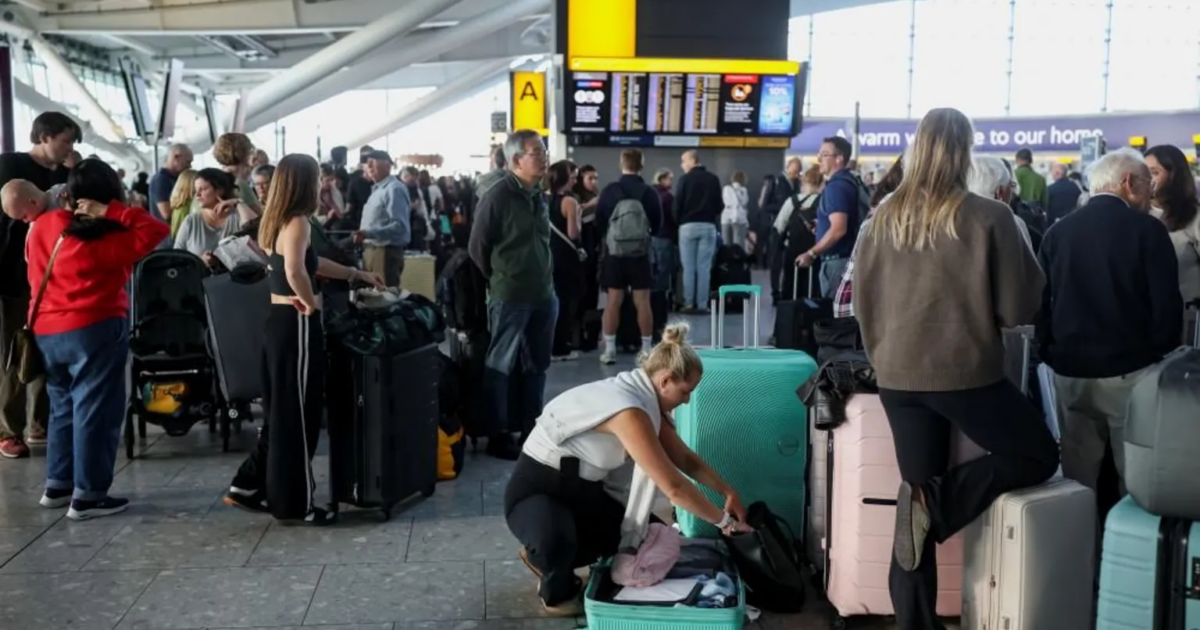
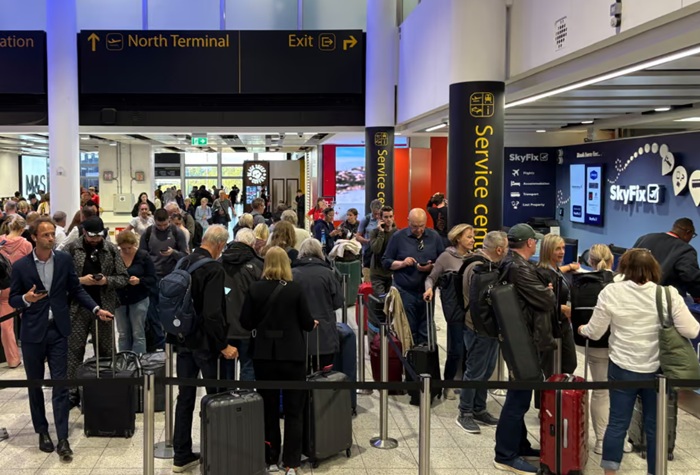
The disruption began around 1pm on Tuesday when Nats identified a technical issue in its flight processing system. This system is responsible for processing flight plans and updating operational information in real-time, allowing controllers to maintain a safe and orderly flow of traffic through UK airspace. When the system failed, departures at major hubs including Heathrow, Gatwick, Manchester, and Stansted were severely restricted or paused. This created a "tarmac trap" for passengers; some, such as those on a flight to Lanzarote at Gatwick, reported being boarded but left sitting on the runway for hours because the radar was down. The failure of departures quickly transformed into an arrivals crisis. As aircraft remained on the ground, airports ran out of gates and parking space. Consequently, 13 Heathrow-bound flights were diverted across the UK and Europe.| Airport / Airline | Reported Impact (Tuesday/Wednesday) |
|---|---|
| Ryanair | 65,000+ passengers delayed; 50+ flights cancelled |
| EasyJet | 200 cancellations |
| British Airways | 100+ flights cancelled or diverted |
| Heathrow | Arrivals suspended Tuesday night; 246 cancellations by 6am Wednesday |
A Pattern of Instability
Nats leadership has attempted to distance this event from previous failures. Martin Rolfe, CEO of Nats, stated that the issue was in the flight data processing system and was not the same system that failed during the August bank holiday weekend in 2023. However, the frequency of these events has drawn sharp criticism from industry leaders. This incident marks the third major stoppage in just over three years, following a full grounding in August 2023 — which affected 700,000 passengers and prompted a parliamentary inquiry, and an "isolated event" in July 2025. The 2023 failure was notably characterized by a human element; it took three hours for an engineer to reach the office after being unable to correct the fault from home. While the current glitch was described as a "complex recovery", the persistence of the errors has led Wizz Air to claim the provider isnot fit for purpose in its current form.
Corporate and Political Fallout
The repeated outages have shifted the conversation from technical troubleshooting to leadership accountability. Neal McMahon, chief operating officer of Ryanair, has called for the government to appoint a new leader, characterizing the situation as anabhorrent failure. Rolfe has resisted calls to step down, stating there would be
lots of time for that laterand emphasizing his current focus on recovery. The political response has been immediate. Transport Secretary Heidi Alexander has summoned Rolfe to a meeting on Wednesday to answer questions regarding the response and the reliability of the systems. Alexander is expected to tell MPs that a cyber attack was
categoricallynot the cause of the fault.
Frequently Asked Questions
Why are flights still cancelled if the glitch is fixed?
The recovery is slowed by "knock-on" effects: aircraft and crews are currently out of position across Europe, and airports must clear a massive backlog of delayed flights before normal schedules can resume.
Related YouTube video

Was this caused by a cyber attack?
No. Transport Secretary Heidi Alexander is expected to inform Parliament that a cyber attack was categorically not the cause of the technical issue.
Which airports were hardest hit?
According to FlightRadar24, the worst affected airports were London Heathrow, Gatwick, Manchester, and Birmingham.
Chronology of a System Collapse
The disruption began at approximately 1pm on Tuesday, with Nats first announcing at 1.46pm that it was investigating a technical issue affecting departures. While engineers identified and fixed the fault in the flight processing system by 4.40pm, Nats later admitted that resolving the issue had taken longer than hoped
. Despite the technical fix, the operational fallout intensified into the evening; Heathrow suspended all arrivals from 8pm Tuesday to maintain safety, leading to a surge of cancellations that persisted into Wednesday.
The geographic scope of the failure extended beyond the English hubs of Heathrow, Gatwick, Manchester, and Birmingham.
International carriers faced significant logistical hurdles as aircraft and crews were left out of position. British Airways reported that the severity of the issue meant tens of thousands of customers were inconvenienced, leaving the airline to offer free rebookings until Friday.
Martin Rolfe has stated that he accepts full responsibility for the failure. However, the next step for Rolfe is a mandatory briefing with Transport Secretary Heidi Alexander on Wednesday, immediately preceding the second reading of the civil aviation bill in the House of Commons.
Archypedia is dedicated to independent, evidence-backed reporting. This briefing was synthesized from primary source reporting, corroborated across independent newsrooms, and verified against our Editorial Standards.
Transparency record
Evidence behind this report
This report synthesizes 12 distinct sources. Open the source ledger below to compare the underlying coverage.
- bbc.com
- bbc.co.uk
- myjoyonline.com
- newswire.lk
- straitstimes.com
- theguardian.com
- independent.co.uk
- irishtimes.com
- standard.co.uk
- newindianexpress.com
- leeds-live.co.uk
- lbc.co.uk
Prepared under the Archypedia Editorial Policy by the Elena Voss editorial desk profile. AI-assisted tools may support drafting and verification; public accountability remains with Archypedia. Report an error.