UK air traffic control glitch cancels over 1,000 flights
Technical failures at National Air Traffic Services (NATS) stranded tens of thousands of passengers across 15 airports, prompting Ryanair to call for the CEO's resignation.

The Mechanics of the NATS Processing Fault
The disruption originated in the flight data processing system operated by NATS. While NATS officials stated that safety was never compromised during the outage, the failure prevented the normal flow of air traffic management, forcing immediate groundings and diversions. The recovery process highlighted a critical gap between technical resolution and operational restoration. Although NATS announced the system problem was resolved by Tuesday evening, the disruption continued to manifest at the airport level. London Heathrow, for instance, resumed departures but was forced to suspend arrivals for the remainder of the night to manage the backlog. Air traffic officials later admitted that the consequences of the system disruption would extend into Wednesday. This delay in returning to normalcy is attributed to the displacement of aviation assets. A spokesperson for British Airways explained that the incident left aircraft and crews "out of place," meaning that even once the software was functioning, the physical planes and qualified pilots required to fly them were not at the correct airports to resume scheduled services.Logistical Impact and Airline Response
The failure triggered a logistical collapse that extended beyond UK borders, affecting international carriers and European networks. EasyJet reported that the system failure caused delays to flights across Europe, stating some of its services were simply "unable to operate." The impact on specific carriers was substantial:| Airline | Reported Impact | Passenger/Flight Data |
|---|---|---|
| Ryanair | Massive passenger disruption | 65,000+ passengers affected; 50+ flights cancelled |
| British Airways | Cancellations and diversions | 100+ flights cancelled or diverted |
| Air India | Flight diversions | Diverted due to ATC failure at Heathrow |
Institutional Conflict and Management Critique
The operational failure has sparked a sharp divide between the service provider and the airlines it supports. While NATS CEO Martin Rolfe acknowledged the complexity of the recovery and called for a root-cause investigation, he faced immediate backlash from industry partners. Ryanair has explicitly called for Martin Rolfe's resignation, alleging that the scale of the disruption was a result of mismanagement. This tension underscores a broader concern regarding the reliability of the UK's aviation infrastructure, as reported by Devdiscourse. The Civil Aviation Authority (CAA) has entered the dispute not by siding with a specific party, but by demanding a systemic overhaul. The CAA has urged NATS to provide a comprehensive report on the incident and has called for a reassessment of contingency strategies to ensure that a single processing fault cannot again result in widespread national gridlock.Frequently Asked Questions
Why were flights still cancelled after the glitch was fixed?
The resolution of the software fault did not immediately reposition aircraft and crews who had been diverted or grounded. This "knock-on" effect meant that assets were "out of place," preventing airlines from resuming their full schedules immediately.
Related YouTube video
Which airports were most affected?
Disruptions hit 15 UK airports, including major hubs like Heathrow, Gatwick, Stansted, and London City, as well as regional airports in Manchester, Birmingham, Scotland, and extending from Jersey to Aberdeen.
Was air safety compromised during the failure?
NATS has assured the public and regulators that safety was never compromised during the flight data processing system failure.
Operational Backlogs and Passenger Friction
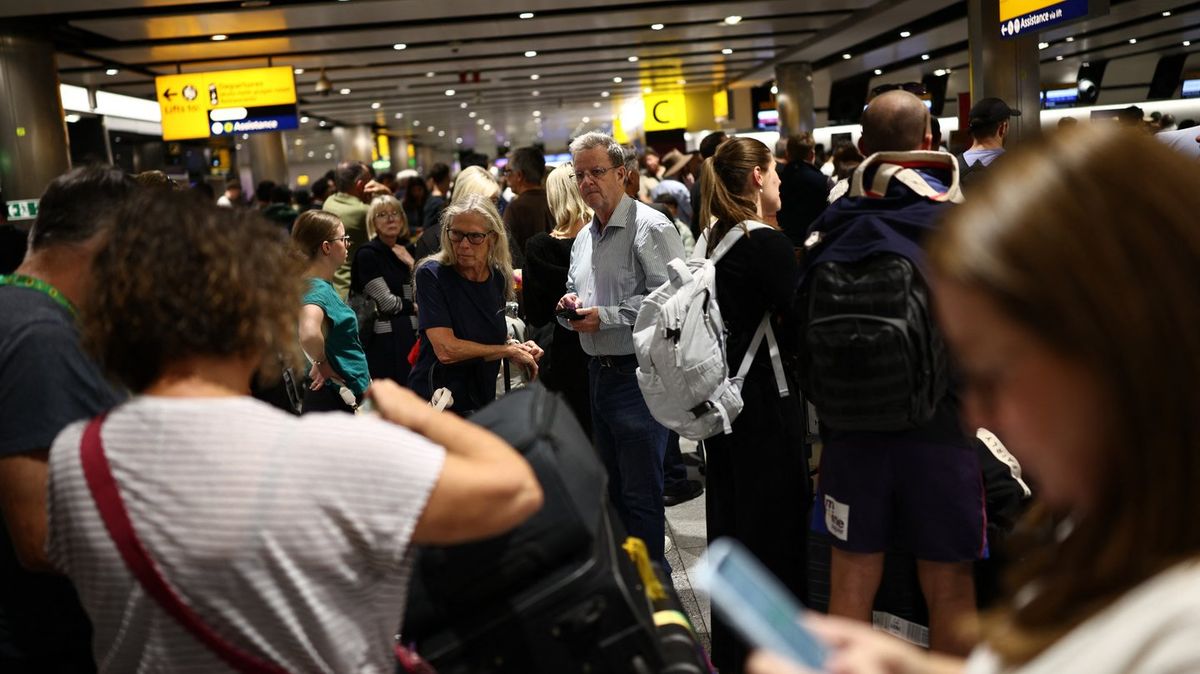
The failure created a cascade of delays that extended beyond the initial software glitch. While departures at London Heathrow resumed following the evening resolution, the airport was forced to suspend all arrivals for the remainder of Tuesday, September 8, to manage the congestion. This decision added to the frustrations of travelers who, according to reports from Ladbible and Asia One, accused airlines and airport staff of poor communication and decision-making. One traveler, Lee Rhodes, described the scene at Heathrow Terminal 5 asabsolute carnageon social media, noting that while the technical fault was beyond the control of British Airways, the lack of information provided to passengers was
shocking. The scale of the disruption forced British Airways to issue a public plea for passengers with cancelled flights to avoid traveling to the airport entirely, as the company's call centres became
incredibly busy, according to a statement cited by Ladbible. The crisis also impacted international arrivals, including those from Air India, which confirmed via X that its flights were diverted specifically due to the ATC system failure at Heathrow. For the aviation industry, the next step involves a thorough investigation into the root cause of the processing fault, as mandated by the Civil Aviation Authority's demand for a comprehensive report and a reassessment of NATS' contingency strategies.
Archypedia is dedicated to independent, evidence-backed reporting. This briefing was synthesized from primary source reporting, corroborated across independent newsrooms, and verified against our Editorial Standards.
Transparency record
Evidence behind this report
This report synthesizes 4 distinct sources. Open the source ledger below to compare the underlying coverage.
Prepared under the Archypedia Editorial Policy by the Elena Voss editorial desk profile. AI-assisted tools may support drafting and verification; public accountability remains with Archypedia. Report an error.