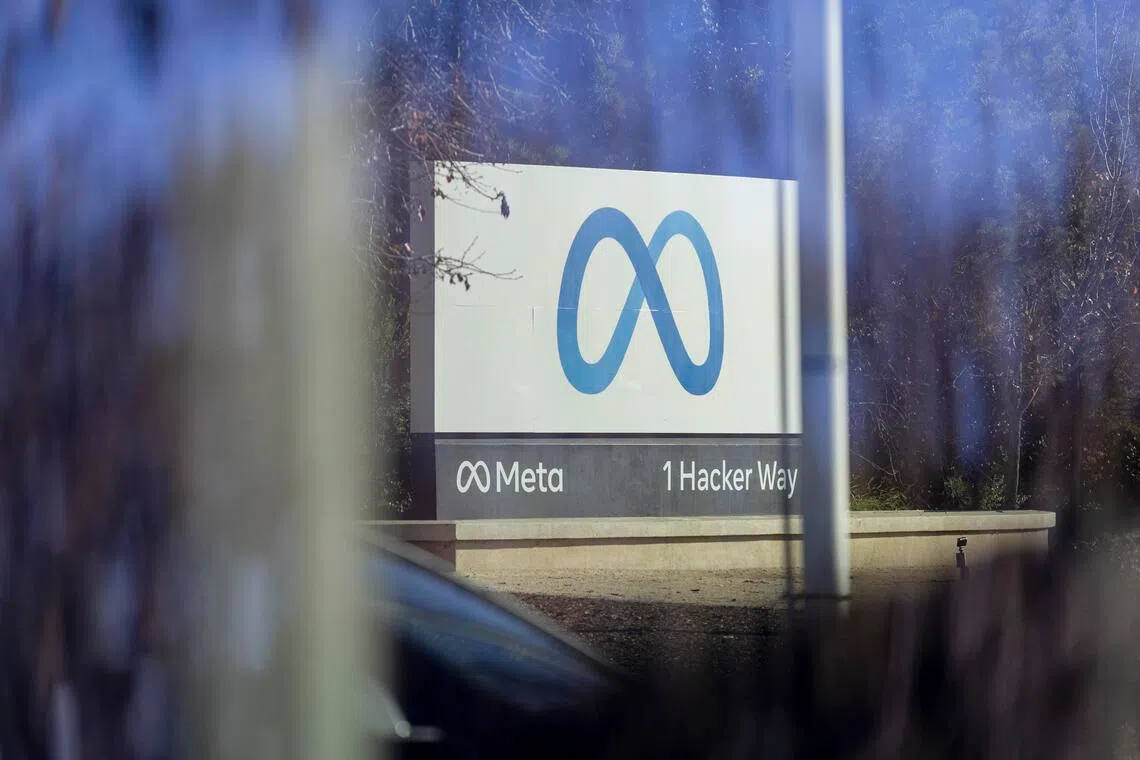
Meta ordered to pay $567 million in New Mexico child safety case
A Santa Fe state district court has ordered Meta to pay an additional $567 million and instituted a five-year operational decree on its platforms for users under 18.

Meta has been ordered to pay an additional $567 million by a Santa Fe state district court after its Facebook and Instagram platforms were formally declared a public nuisance, pushing the company's total financial liability in the landmark New Mexico child safety case to $942 million according to The Verge.
The second-phase ruling delivered by Judge Bryan Biedscheid concluded that Meta's platform design acts as a significant contributing cause to youth mental health crises and sexual exploitation across the state, comparing the company's operational impact to a factory whose pollution must be abated, as reported by The A.V. Club. The penalty combines with $375 million in civil penalties previously levied in March, marking what International Business Times Singapore reported as the first time a social media firm has been formally declared a public nuisance.
Related YouTube video

At the center of the financial penalty is a multi-million-dollar abatement fund spanning five years. According to Outlook India, the court allocated $420 million specifically for treatment services aimed at young people impacted by social media harm. The remaining $147 million is designated for awareness campaigns, prevention initiatives, and screening services. More granular financial documents cited by The A.V. Club outline that this portion includes $33 million for awareness and prevention, $90 million for screening and assessment, $15 million for referral, linkage and coordination, and $9 million for implementation, continuous quality improvement, and evaluation.
To curb the mechanisms deemed harmful, the court imposed a strict five-year operational decree on Facebook and Instagram for users under 18. Documented mandates include monthly usage limits, engagement-driven notification restrictions, tighter barriers on adult-to-minor contact, safeguards governing artificial intelligence chatbots, and enhanced review procedures for child sexual abuse material reports, according to International Business Times. Additional platform restrictions detailed by International Business Times Singapore require Instagram accounts to be private by default for users under 18, limiting default friend connections on Facebook to other users under 18, barring adults from messaging underage users, and instituting what was described as a "one-strike policy" for adult users who engage in child sexual exploitation. WhatsApp is exempt from these orders, as the court found the messaging service does not contribute to the public nuisance.
Despite these sweeping operational constraints, the court declined to enforce mandatory age verification. Judge Biedscheid reasoned that federal regulations under the Children's Online Privacy Protection Act (COPPA) prohibit platforms from passively tracking children or compelling the collection of extra personal data for such verification, noting in Outlook India's reporting that applying such a mandate solely to Meta would be inequitable.
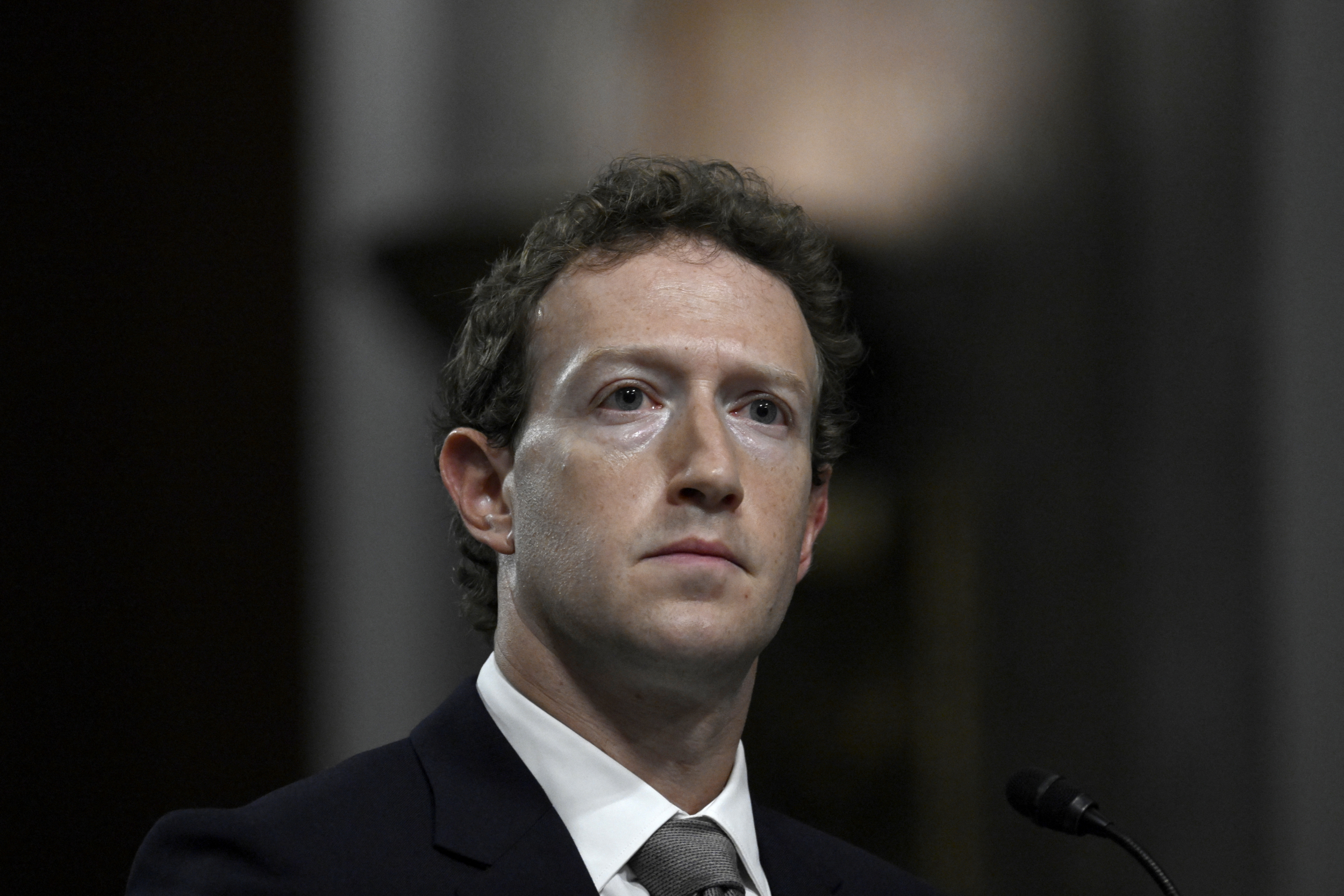
Meta officials strongly condemned the judgment and confirmed intentions to challenge the outcome in higher courts. We work hard to keep people safe on our platforms and have been transparent about the challenges of identifying and removing bad actors and harmful content,
a company spokesperson stated via The Verge, adding that the enterprise remains confident in its record of protecting teens.
The resolution in Santa Fe is poised to ripple across the United States, where New Mexico Attorney General Raúl Torrez views the case as a foundational legal blueprint. Similar public nuisance lawsuits have already been initiated by officials across 40 states and more than 1,300 school districts, according to International Business Times.
Inside the Santa Fe Courtroom and the National Legal Ripple
The landmark second-phase decision arrived following a three-week bench trial heard without a jury, building directly upon a March verdict where jurors determined that Meta had violated the state's consumer protection law by misrepresenting the safety of Facebook and Instagram for young users, according to Outlook India. During the proceedings, prosecutors presented evidence demonstrating that Meta deliberately engineered its products to hook young people and exposed them to potentially dangerous content concerning self-harm and eating disorders, as reported by International Business Times. Furthermore, trial evidence highlighted platform design features that New Mexico officials argued enabled predators and pedophiles to conduct child sexual exploitation.
The newly mandated abatement funding also supports youth internet safety training designed for school counselors, teachers, and health care professionals, as detailed by International Business Times Singapore. This financial structure parallels historical legal battles, with Attorney General Raúl Torrez explicitly comparing the New Mexico litigation to the tobacco lawsuits pursued by state attorneys general across the nation during the 1990s, viewing the current victory as a foundational blueprint for other jurisdictions to replicate, according to International Business Times. The broader international and domestic scrutiny extends beyond state borders; for instance, the European Commission issued a preliminary finding against Meta concerning allegations that the enterprise failed to prevent users under thirteen from accessing Instagram and Facebook, though that regulatory matter remains separate from the Santa Fe proceedings, as noted by International Business Times Singapore. Even as Meta posted $61 billion in revenue during its most recent quarter, the mounting legal challenges from public entities underscore the escalating commercial and regulatory pressure facing the enterprise, as highlighted by The A.V. Club.
How significant is this development?
Contribute your assessment to the aggregated reader intelligence ledger.
Archypedia is dedicated to independent, evidence-backed reporting. This briefing was synthesized from primary source reporting, corroborated across independent newsrooms, and verified against our Editorial Standards.
Transparency record
Evidence behind this report
This report synthesizes 5 distinct sources. Open the source ledger below to compare the underlying coverage.
Prepared under the Archypedia Editorial Policy by the Elena Voss editorial desk profile. AI-assisted tools may support drafting and verification; public accountability remains with Archypedia. Report an error.