
Leadership Battle Erupts in UK Labour Party as Andy Burnham Faces Rivals for Starmer’s Succession
The UK Labour Party is witnessing a high-stakes leadership contest as potential challengers to Andy Burnham intensify efforts to secure backing ahead of his likely ascension as the party’s next leader. Burnham, a senior figure within the party, has emerged as the frontrunner following the resignation of Keir Starmer, but internal factions are already mobilizing to test his dominance. This development underscores a pivotal moment in British politics, as the party grapples with its direction and the challenges of uniting a fractured electorate.
What Happened and Why It Matters
The turmoil within the Labour Party began after Starmer’s abrupt resignation, which came amid growing dissatisfaction among MPs and voters over the party’s performance in recent elections. Burnham, the current Home Secretary, has been positioned as the natural successor, with many believing his experience and moderate policies could restore public confidence. However, his path to leadership is not guaranteed, as several MPs have begun reaching out to colleagues to gauge support for alternative candidates.
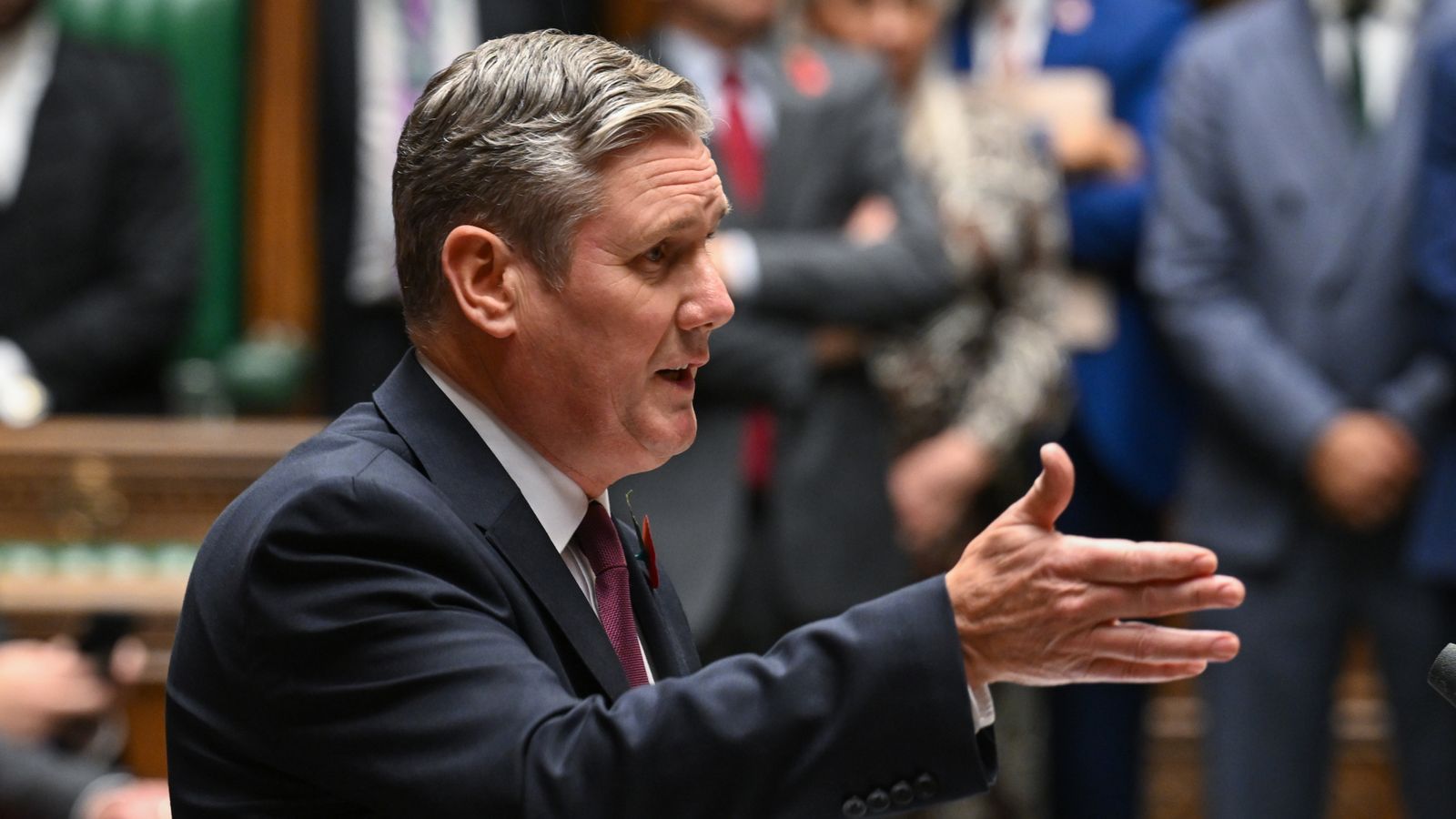
According to reports from multiple sources, senior Labour figures are engaging in private discussions to assess the viability of challenging Burnham’s candidacy. Some view his dominance as a “coronation,” a term used to describe a leadership race that lacks genuine competition. These efforts highlight the deep divisions within the party, with some members advocating for a more progressive agenda and others seeking a return to centrist policies.
The significance of this leadership race extends beyond the Labour Party. It has the potential to reshape the UK’s political landscape, as the opposition’s ability to present a united front will be critical in the next general election. Analysts suggest that the outcome could determine whether the party can reclaim the majority it lost in 2019 or face further fragmentation.
The Rise of Andy Burnham
Burnham’s rise to prominence within the Labour Party has been marked by his pragmatic approach to governance. As Home Secretary, he has focused on issues such as immigration, national security, and public services, positions that have resonated with a broad spectrum of voters. His leadership style, characterized by a focus on stability and compromise, has earned him a loyal base of supporters within the party.
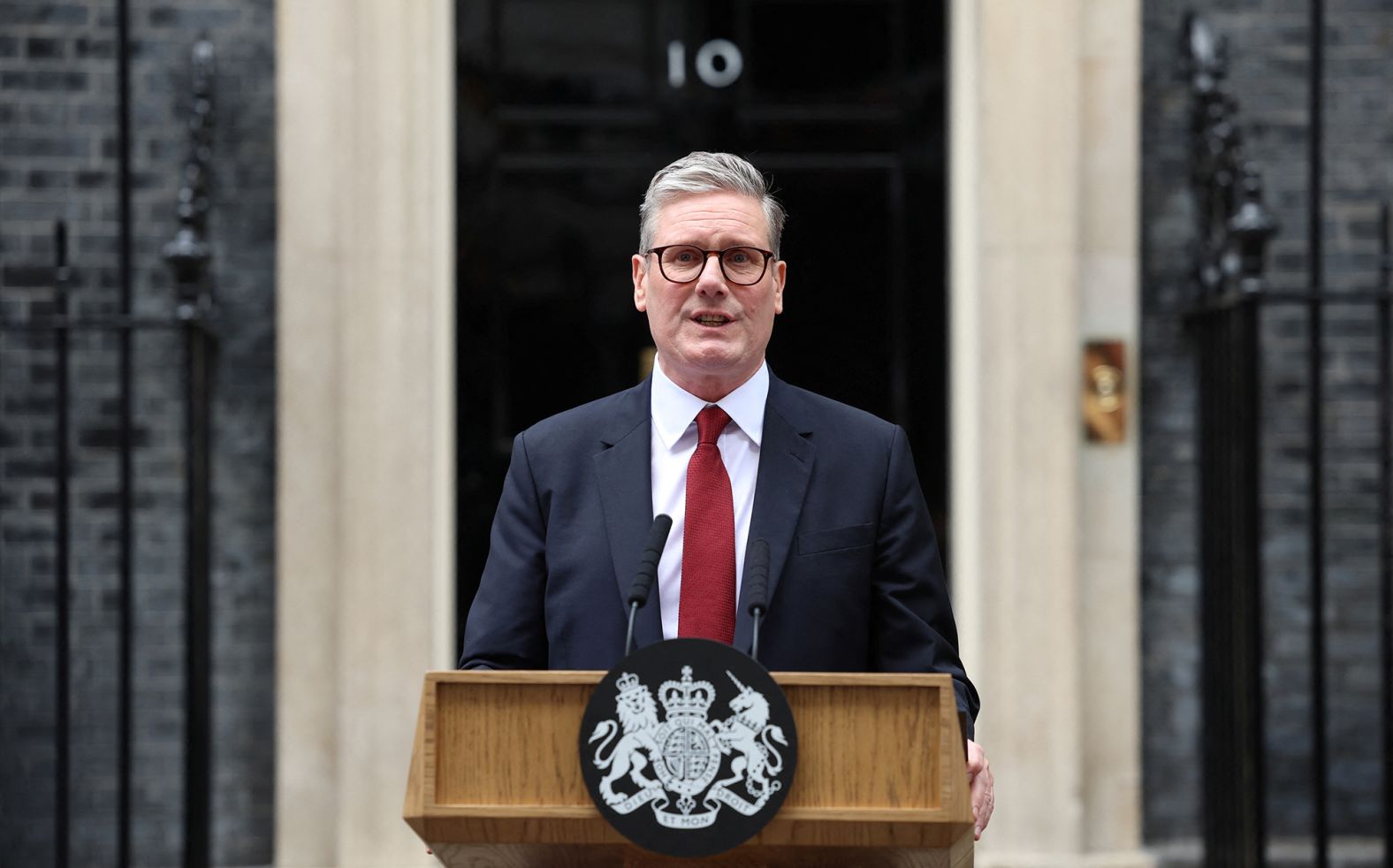
However, Burnham’s candidacy is not without controversy. Critics within the party argue that his policies lack the transformative vision needed to address the country’s pressing challenges, such as economic inequality and climate change. This has led to calls for a more radical approach, with some MPs advocating for a leader who can galvanize the party’s left wing.
Despite these concerns, Burnham’s position as the favorite to replace Starmer is reinforced by his extensive experience and the backing of key party figures. His ability to navigate the complexities of leadership will be tested as he seeks to unify the party and present a cohesive platform to the public.
Who Is Involved in the Leadership Contest?
The leadership race has drawn attention from a range of Labour MPs, each with their own vision for the party’s future. While Burnham remains the most prominent figure, several other candidates have emerged as potential contenders, though none have yet announced their intentions publicly.
Among the most notable figures is [Name], a rising star within the party who has gained attention for their progressive policies and grassroots outreach. [Name] has been vocal about the need for a more ambitious agenda, emphasizing issues such as wealth redistribution and environmental reform. Their growing influence within the party has led some analysts to speculate that they could challenge Burnham’s candidacy if the right conditions emerge.
Another key player is [Name], a veteran MP known for their strategic acumen and ability to build coalitions. [Name] has long advocated for a centrist approach, arguing that the party must appeal to both traditional Labour voters and moderates. Their support could prove crucial in swaying the outcome of the leadership contest, particularly if they perceive Burnham as too aligned with the party’s left wing.
The involvement of these figures highlights the ideological spectrum within the Labour Party. While Burnham represents a moderate path, the emergence of more progressive or centrist candidates reflects the party’s ongoing struggle to define its identity in a rapidly changing political environment.
Key Timeline of Events
The leadership contest has unfolded against a backdrop of significant political upheaval. Here is a summary of the key developments:
- April 2024: Keir Starmer resigns as Labour leader amid declining poll numbers and internal dissent.
- May 2024: Andy Burnham is appointed as Home Secretary, signaling his growing influence within the party.
- June 2024: Rumors of a potential leadership challenge to Burnham begin to circulate among Labour MPs.
- July 2024: Private meetings between MPs and potential candidates intensify, with some seeking to build a coalition against Burnham.
- August 2024: The Labour Party’s leadership election process is expected to begin, with the final decision likely to be made by early 2025.
This timeline illustrates the rapid pace at which the leadership race has evolved. The next few months will be critical in determining whether Burnham’s position as the favorite remains unchallenged or if a more competitive race emerges.
Context and Implications of the Leadership Contest
The leadership race within the Labour Party is not an isolated event but part of a broader trend of political realignment in the UK. Recent years have seen a surge in support for smaller parties and independent candidates, challenging the traditional dominance of the two major parties. This shift has placed additional pressure on Labour to redefine its identity and appeal to a wider audience.
Historically, leadership contests within the Labour Party have been contentious, often reflecting deep-seated ideological divides. The 2010 leadership election, which saw Ed Miliband defeat his brother David, is a notable example of how such races can reshape the party’s direction. Similarly, the 2015 contest between Jeremy Corbyn and Andy Burnham highlighted the tensions between the party’s left and right wings.
Analysts suggest that the current leadership race could have far-reaching implications for the party’s future. A victory for Burnham would likely solidify his position as the party’s leader and set the tone for its policies in the coming years. Conversely,
