
Escalating Ebola Concerns in Brazil and Italy Spark Global Health Fears
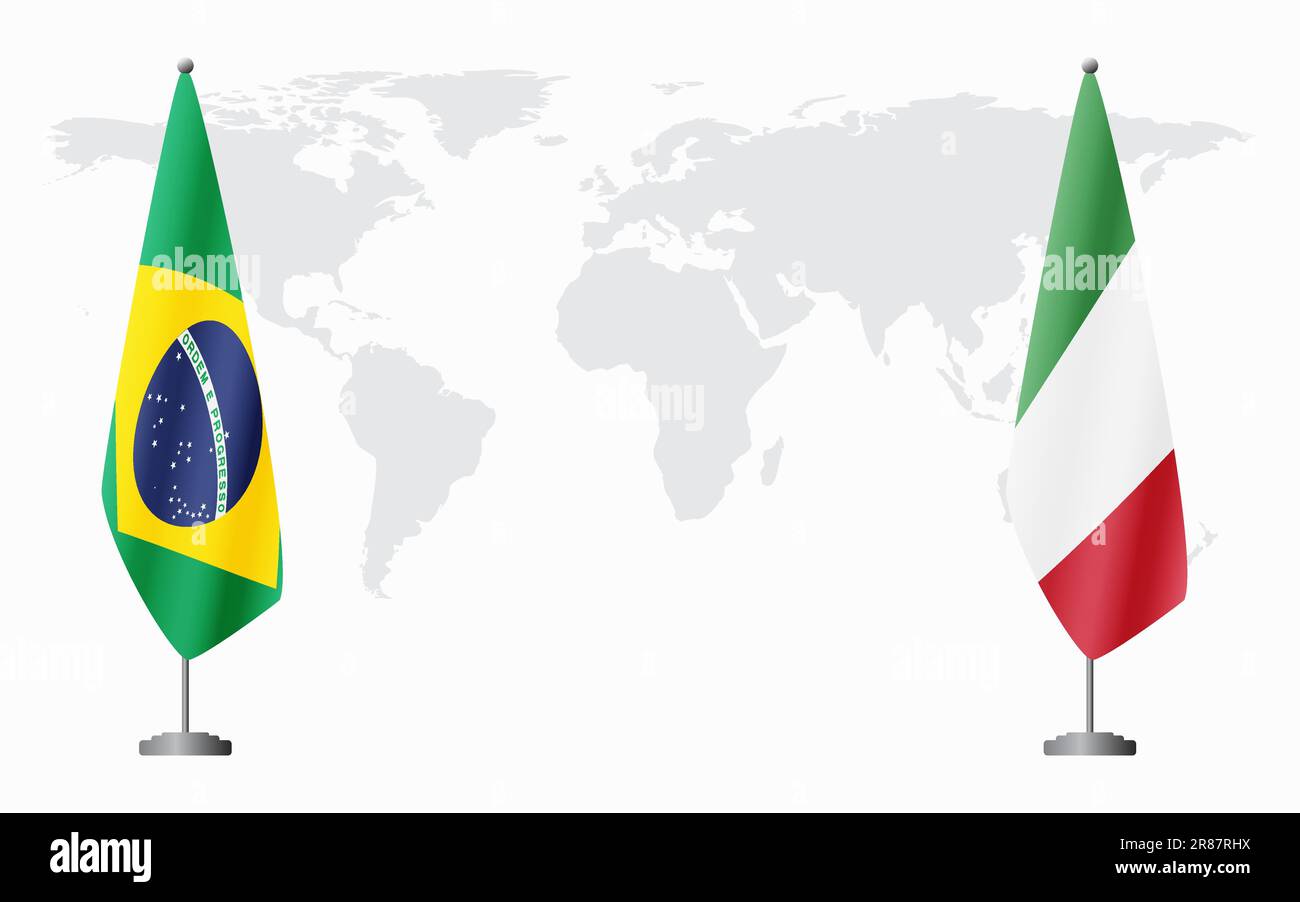
Recent reports of potential Ebola cases in Brazil and Italy have triggered heightened scrutiny from health officials and the public, raising alarms about the virus’s potential to spread beyond its traditional hotspots. While no confirmed outbreaks have been declared, the situation underscores the vulnerability of even well-prepared nations to infectious disease threats. This article delves into the current developments, the measures being taken to address them, and the broader implications for global health security.
The Emergence of Suspicious Cases
Health authorities in both Brazil and Italy have initiated investigations after identifying individuals exhibiting symptoms consistent with Ebola virus disease (EVD). In Brazil, two patients with fever, vomiting, and neurological symptoms have been placed under observation at a specialized medical facility in São Paulo. Similarly, Italian officials are monitoring a group of travelers who recently returned from regions experiencing Ebola outbreaks, though no definitive links to the virus have been established.
These actions reflect a proactive approach to public health, as authorities seek to rule out potential cases before they escalate. However, the mere possibility of Ebola’s presence in these countries has already fueled public anxiety, particularly given the virus’s high mortality rate and the lack of a widely available vaccine.
Context of the Global Ebola Landscape
To understand the gravity of these developments, it’s essential to consider the current state of Ebola outbreaks. The Democratic Republic of the Congo (DRC) has long been a focal point for EVD, with sporadic cases reported in recent years. While international efforts have reduced the frequency of large-scale outbreaks, the virus remains a persistent threat, particularly in regions with weak healthcare infrastructure and limited access to medical resources.
The recent cases in Brazil and Italy, though isolated, highlight the interconnectedness of the modern world. Air travel and global trade networks make it increasingly tough to contain infectious diseases, as asymptomatic carriers can unknowingly move across borders. This reality has prompted health organizations to emphasize the importance of rapid response systems and international collaboration.
Stakeholders and Response Strategies
The involvement of multiple stakeholders, including national health agencies, international organizations, and local communities, has been critical in managing the situation. In Brazil, the Ministry of Health has deployed teams to conduct epidemiological investigations and enhance surveillance at entry points. Meanwhile, Italian officials have coordinated with the European Centre for Disease Prevention and Control (ECDC) to assess risks and share data.
These efforts are not without challenges. Public health officials must balance the need for transparency with the risk of causing unnecessary panic. For instance, while sharing information about potential cases is vital for preparedness, overly alarmist messaging can lead to misinformation and stigmatization. Health experts advise clear communication that emphasizes preventive measures and the low likelihood of widespread transmission.
Public Health Measures and Community Engagement
Both countries have implemented a range of public health measures to mitigate risks. Brazil has expanded its network of diagnostic laboratories and is conducting targeted testing for individuals with risk factors, such as recent travel to affected regions or contact with infected individuals. In Italy, authorities have issued guidelines for healthcare workers and are conducting awareness campaigns to educate the public about Ebola symptoms and prevention strategies.
Community engagement plays a crucial role in these efforts. Local leaders and health advocates are working to dispel myths and provide accurate information, particularly in areas with high levels of distrust in government institutions. This approach not only fosters cooperation but also helps identify and address potential gaps in the response system.
Implications for Global Health Security
The emergence of potential Ebola cases in Brazil and Italy raises broader questions about the resilience of global health systems. While these nations have robust medical infrastructures, the threat of a novel or re-emerging pathogen underscores the need for continuous investment in public health preparedness. Experts warn that the current focus on infectious diseases like Ebola must not wane, as other emerging threats, such as antibiotic-resistant bacteria or new viral strains, could pose even greater risks.
the situation highlights the importance of international cooperation. The World Health Organization (WHO) has reiterated the need for countries to share data and resources, particularly in the face of cross-border health threats. Collaboration between nations can accelerate the development of vaccines, improve diagnostic tools, and enhance the capacity to respond to outbreaks swiftly.
Historical Parallels and Lessons Learned
Looking back at past Ebola outbreaks provides valuable insights. The 2014-2016 West African epidemic, which claimed over 11,000 lives, exposed critical weaknesses in global health response mechanisms. In its aftermath, significant strides were made in vaccine development and emergency response planning. However, the current situation in Brazil and Italy suggests that gaps still exist, particularly in terms of rapid detection and containment in non-endemic regions.
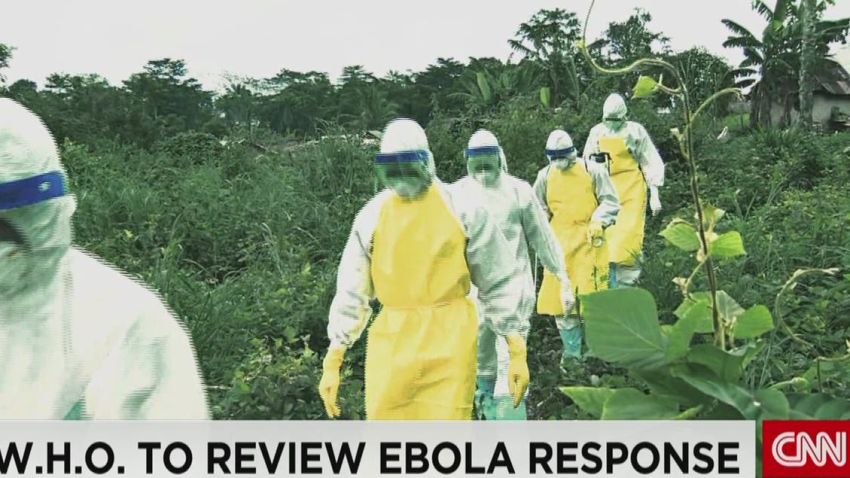
Comparisons can also be drawn to the 2020-2021 COVID-19 pandemic, which demonstrated the devastating consequences of delayed action and fragmented international coordination. While Ebola and COVID-19 are distinct in their transmission dynamics and impacts, both underscore the need for proactive, science-based policies to protect public health.
Expert Perspectives and Future Outlook
Health experts emphasize that the key to managing the current situation lies in vigilance and preparedness. Dr. Maria Fernanda, a virologist at the University of São Paulo, noted that “the presence of even a single suspected case necessitates a thorough investigation, as the consequences of a delayed response can be catastrophic.” She also highlighted the importance of maintaining high standards of hygiene and infection control in healthcare settings.
From a geopolitical standpoint, the situation has
