
King’s Birthday Honours: Perth Ophthalmologist Bill Morgan Recognised for Decades of Saving Vision
Professor William (Bill) Morgan, a leading Perth-based ophthalmologist and researcher, has been recognized in the King’s Birthday Honours for his lifelong commitment to preventing blindness and advancing ocular surgery. Through his work at the Lions Eye Institute and the development of the XEN® Gel Stent, Professor Morgan has fundamentally changed how glaucoma is treated globally.
Who is Professor Bill Morgan and why was he recognized?
Professor William (Bill) Morgan is a highly decorated specialist in ophthalmology whose career spans over four decades of clinical practice, academic leadership, and medical research. His recognition in the King’s Birthday Honours stems from a career built on three core pillars: exceptional clinical care, rigorous medical research, and a dedication to community outreach. According to the Lions Eye Institute, these pillars work in tandem to drive innovation and improve outcomes for patients facing the threat of permanent vision loss.
Morgan’s influence extends far beyond the operating theater. He has held prestigious roles across multiple institutions, serving as a Professor of Ophthalmology at the University of Western Australia (UWA) and the University of Udayana in Indonesia. His leadership experience is further highlighted by his tenure as the Managing Director of the Lions Eye Institute from 2019 to 2024, where he oversaw the strategic direction of one of the region’s premier vision research centers.
The primary drivers of his recognition include:
- Surgical Innovation: The co-development of the XEN® Gel Stent, a microfistula implant designed to treat glaucoma.
- Global Health Impact: Creating affordable surgical solutions for patients in Indonesia to increase access to sight-saving procedures.
- Academic Contribution: His role as a mentor and professor at UWA and internationally.
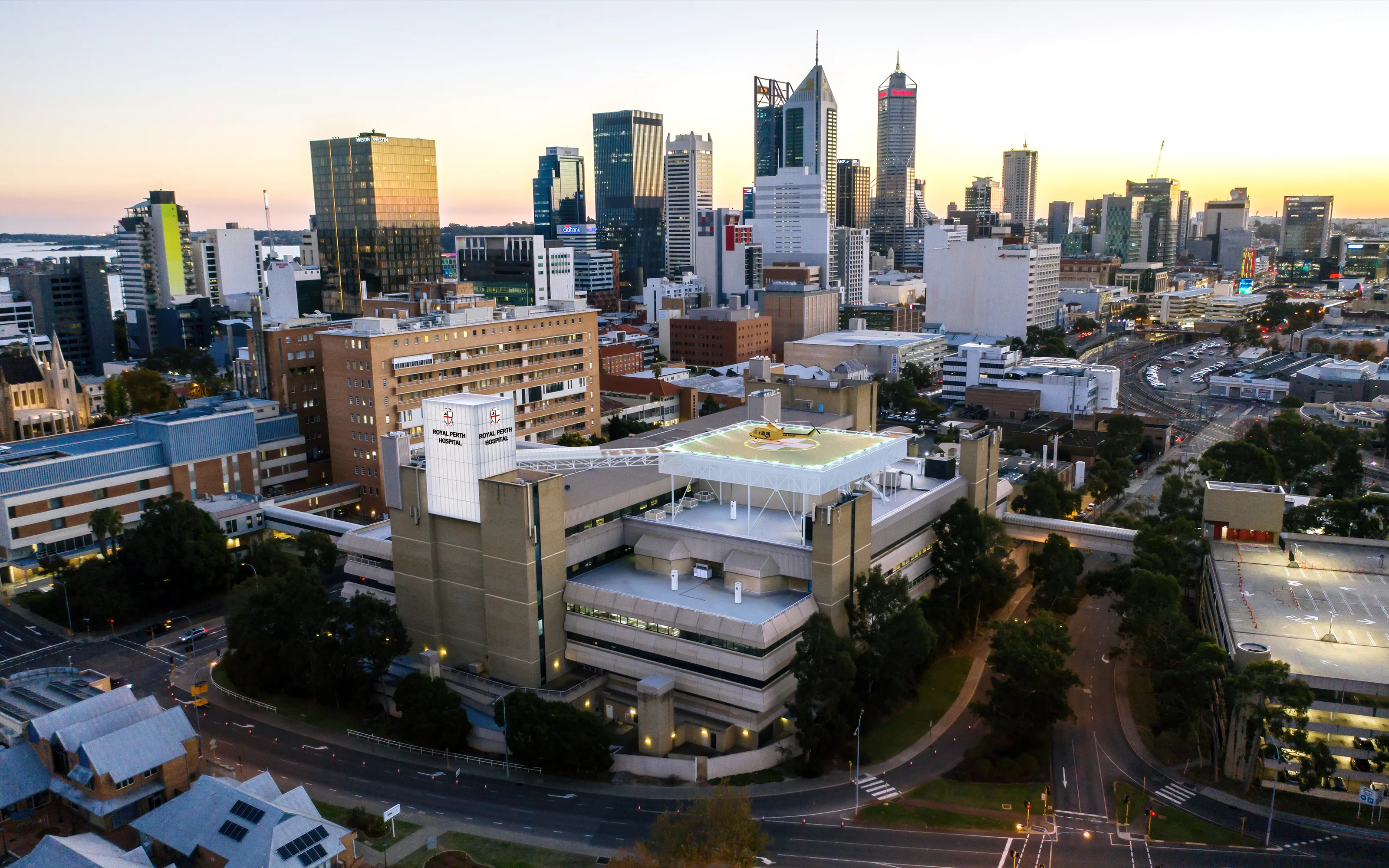
- Public Health Service: His ongoing work as a Consultant Ophthalmologist at Royal Perth Hospital.
How does the XEN® Gel Stent combat glaucoma?
Glaucoma is a complex condition often characterized by increased intraocular pressure, which can damage the optic nerve and lead to irreversible blindness if left untreated. Professor Morgan, specializing in this field, sought a more effective way to manage this pressure. In collaboration with other researchers at the Lions Eye Institute, he developed the XEN® Gel Stent.

The XEN® Gel Stent is a microfistula implant. In simple terms, it acts as a tiny drainage system for the eye. By creating a new pathway for fluid to exit the eye, the stent reduces the intraocular pressure that otherwise destroys vision. This invention isn’t just a local success; it is currently helping thousands of glaucoma patients across the world, providing a surgical alternative that can stabilize vision for those who do not respond to medication alone.
The XEN® Gel Stent represents a shift toward minimally invasive glaucoma surgery, focusing on reducing pressure while minimizing the trauma to the eye’s natural structures.
What is Professor Morgan’s impact on global eye health?
While high-tech implants like the XEN® Gel Stent serve advanced medical markets, Professor Morgan recognized that cutting-edge technology is only useful if it is accessible. This realization led to a significant partnership in Indonesia. Working with Jakarta-based eye doctor Virna Oktariana, Morgan developed an affordable tube solution for glaucoma.
The disparity in healthcare access means that many patients in developing nations cannot afford the latest proprietary implants. By focusing on an “affordable tube solution,” Morgan and Oktariana ensured that sight-saving surgery became a reality for a larger segment of the Indonesian population. This project demonstrates a commitment to “equity of care,” ensuring that the benefits of ophthalmological research are not limited by a patient’s geographic location or socioeconomic status.
Comparing High-Tech Innovation vs. Scalable Access
Professor Morgan’s work provides a clear contrast in how medical innovation can be applied. On one hand, the XEN® Gel Stent pushes the boundaries of what is possible in surgical precision. On the other, the Indonesian tube solution pushes the boundaries of how medicine is delivered to the underserved.
| Innovation | Primary Goal | Target Impact | Key Feature |
|---|---|---|---|
| XEN® Gel Stent | Pressure Reduction | Global Clinical Market | Microfistula implant |
| Affordable Tube Solution | Increased Accessibility | Indonesian Population | Low-cost surgical design |
The academic and clinical trajectory of a vision specialist
The depth of Professor Morgan’s expertise is rooted in a rigorous academic journey. His qualifications reflect a blend of clinical mastery and scientific inquiry, which is rare in specialized medicine. He began his journey at the University of Western Australia, earning his MBBS in 1983. This provided the foundation for his clinical work, which he later augmented with professional fellowships and advanced research.
In 1994, he became a Fellow of the Royal Australian College of Ophthalmologists (FRANZCO). That same year, his contribution to the field was recognized when he won the award for the best scientific paper presented at the RANZCO annual scientific meeting. This early success signaled his potential as a researcher, leading him to pursue a PhD from the University of WA, which he completed in 2001. His doctoral research, titled “Pressure gradients across the optic disk,” directly informed his later work in glaucoma management.
His professional roles are diverse, spanning public health, private research, and international academia:
- Royal Perth Hospital: Serving as a Consultant Ophthalmologist and Head of Department, ensuring high-standard care for the general public.
- Perth Children’s Hospital: Extending his expertise to pediatric care.
- University of Udayana: Acting as a Visiting Professor to foster international medical collaboration.
- Curtin University: Serving as an Adjunct Associate Professor.
Why this recognition matters for the medical community
The inclusion of Professor Bill Morgan in the King’s Birthday Honours is more than a personal achievement; it is a validation of the “bench-to-bedside” approach to medicine. This approach involves taking a scientific discovery made at a research “bench” (like the Lions Eye Institute) and translating it into a practical treatment at the patient’s “bedside.”
By recognizing a surgeon who is equally comfortable in a lecture hall, a high-tech lab, and a community clinic in Jakarta, the honours highlight the importance of multi-disciplinary medical careers. It underscores the idea that the most effective doctors are those who not only treat the patient in front of them but also work to improve the tools and systems that treat millions of others.
For the Perth medical community, Morgan’s career serves as a blueprint for how local research can achieve global scale. The XEN® Gel Stent is a “made in Perth” innovation that has reached a global audience, proving that Western Australia can be a hub for world-leading medical technology.
Timeline of Key Milestones
To understand the scale of Professor Morgan’s contribution, it is helpful to look at the timeline of his professional evolution:
- 1983: Graduated with an MBBS from the University of Western Australia.
- 1994: Achieved FRANZCO fellowship and won the best scientific paper award at the RANZCO annual meeting.
- 2001: Completed PhD at UWA, focusing on optic disk pressure gradients.
- 2019–2024: Served as the Managing Director of the Lions Eye Institute.
- Recent Years: Co-developed the XEN® Gel Stent and implemented affordable glaucoma solutions in Indonesia.
Frequently Asked Questions
What is the XEN® Gel Stent developed by Professor Bill Morgan?
The XEN® Gel Stent is a microfistula implant used to treat glaucoma. It works by creating a new drainage pathway in the eye, which reduces intraocular pressure and helps prevent further damage to the optic nerve, thereby saving the patient’s vision.
How has Professor Morgan helped patients in Indonesia?
In collaboration with Dr. Virna Oktariana, Professor Morgan developed an affordable tube solution for glaucoma. This ensures that patients in Indonesia who cannot afford expensive implants still have access to sight-saving surgical interventions.
What are Professor Morgan’s main professional affiliations?
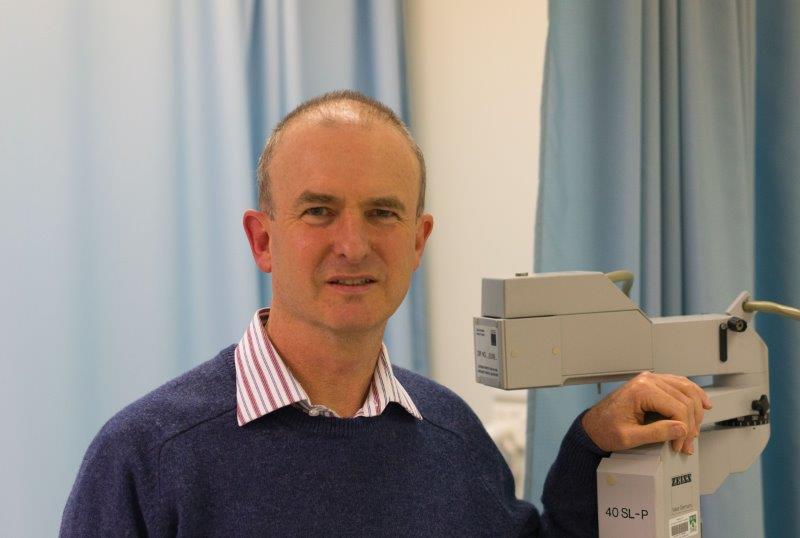
He is a Professor of Ophthalmology at the University of Western Australia and the University of Udayana. He is also a Consultant Ophthalmologist at Royal Perth Hospital and the former Managing Director of the Lions Eye Institute (2019–2024).
What is the significance of the King’s Birthday Honours for a medical professional?
These honours recognize individuals who have made significant contributions to their field or community. In Professor Morgan’s case, the recognition acknowledges decades of work in clinical care, medical research, and the global dissemination of vision-saving technology.
What is the primary focus of Professor Morgan’s research?
His primary focus is glaucoma, specifically the study of intraocular pressure and the development of surgical interventions to manage that pressure and prevent blindness.
Professor Morgan’s legacy is defined by a refusal to accept the status quo of vision loss. From the academic halls of UWA to the surgical wards of Royal Perth Hospital and the clinics of Jakarta, his work ensures that more people, regardless of their location, can maintain their sight. His recognition in the King’s Birthday Honours is a testament to a career that has successfully merged the pursuit of scientific excellence with a deep sense of humanitarian duty.
