US Insurers’ Move to Back Vaccines Sends ‘Powerful’ Message About Safety of Shots, Experts Say
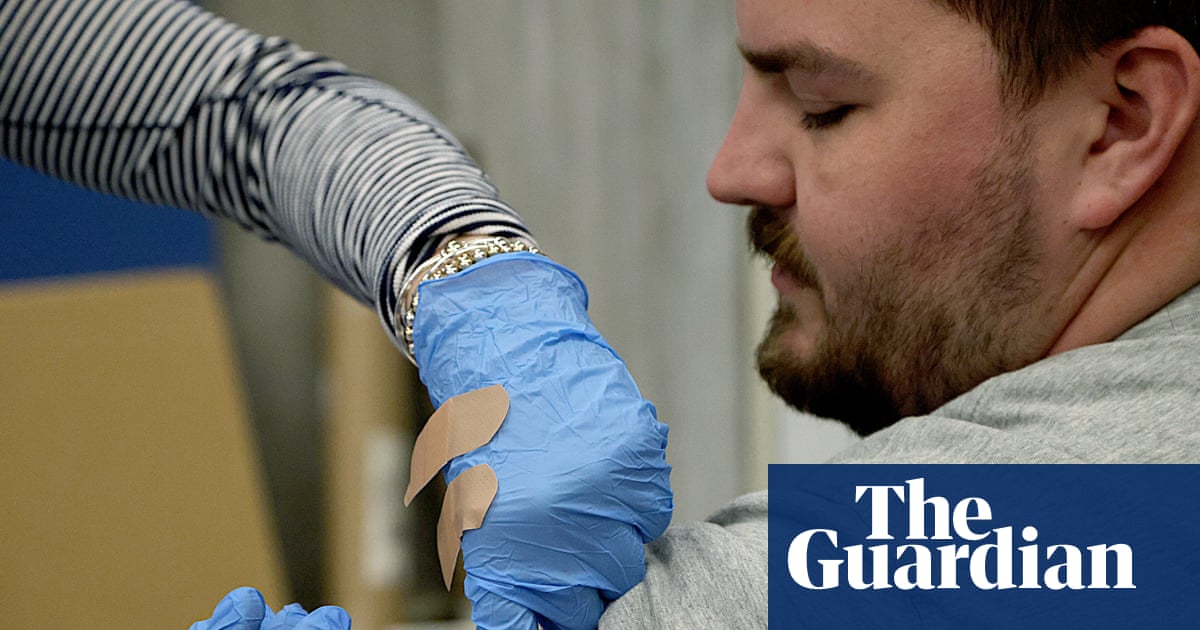
US health insurers have committed to covering routine vaccinations through 2027, a decision that experts say serves as a data-driven endorsement of vaccine safety and efficacy. This move by AHIP, the industry’s national trade organization, comes amid political scrutiny of vaccine schedules and a rise in preventable disease outbreaks across the United States.
The decision to maintain coverage marks a significant intersection of corporate financial interest and public health stability. By extending the availability of routine shots, the insurance industry is effectively signaling that the cost of prevention is far lower than the cost of treating severe, vaccine-preventable illnesses. This stance creates a notable contrast with recent rhetoric from the Trump administration, which has repeatedly questioned existing immunization protocols.
What is the AHIP vaccine coverage extension?
At the end of May, the America’s Health Insurance Plan (AHIP), which represents the national insurance industry, announced that its member companies will continue to provide coverage for routine vaccines through 2027. This announcement is an extension of a similar policy already in place for 2026.
The extension follows a period of instability regarding decisions made by the Advisory Committee on Immunization Practices (Acip). By securing coverage through 2027, insurers are providing a layer of predictability for families and healthcare providers, ensuring that the financial barrier to routine immunization remains low despite shifting political winds.
Key details of the coverage move include:
- Duration: Coverage is guaranteed through 2027.
- Scope: Applies to routine vaccinations.
- Driver: A data-driven approach to health outcomes and cost management.
Why do insurers view vaccines as a sound investment?
For insurance companies, the decision to cover vaccines is not merely a matter of public health altruism but a calculated financial strategy. Insurers possess vast amounts of detailed data regarding health outcomes, allowing them to compare the cost of a vaccine against the cost of treating a patient who contracts a preventable disease.
“They understand that there is a benefit there to people being vaccinated, especially kids, and I’m sure they’ve run the numbers and they know that it will cost them a heck of a lot more to treat kids with measles who are hospitalized than it is to pay for vaccines,” says Elizabeth Jacobs, an epidemiology professor at the University of Arizona and founding member of Defend Public Health.
According to Jacobs, the industry’s commitment is a “powerful” indicator that the shots are safe and effective. When insurers—entities primarily focused on mitigating financial risk—choose to fund these preventative measures, it suggests that the evidence for vaccine efficacy is overwhelming. The financial risk of a widespread outbreak of measles or whooping cough, which often requires expensive hospitalizations, far outweighs the predictable, lower cost of widespread vaccination.
Comparing Prevention vs. Treatment Costs
While specific dollar amounts for every vaccine vary, the economic logic used by insurers can be summarized as follows:
| Factor | Preventative Vaccination | Treatment of Preventable Disease |
|---|---|---|
| Direct Cost | Low, predictable cost per dose | High, unpredictable cost of hospitalization |
| Health Outcome | Controlled immunity and prevention | Potential for severe complications or death |
| Systemic Impact | Maintains herd immunity | Increases risk of community outbreaks |
The conflict between industry data and political rhetoric
The insurance industry’s move occurs against a backdrop of increasing tension between public health scientific consensus and the current administration. The Trump administration has taken aim at the established vaccine schedule, raising questions about the necessity and safety of certain shots.
This political environment has created a vacuum of certainty for some parents and providers. However, the AHIP decision acts as a market-based counter-narrative. While political figures may question the schedule, the companies paying the bills for healthcare are doubling down on their support. This suggests that the “real-world” data held by insurers aligns with the findings of the scientific community rather than the skepticism voiced by government officials.
Experts suggest that this divergence may become a point of contention as the November midterms approach, as the role of government in public health continues to be a polarized issue. For now, the insurance industry’s willingness to absorb the cost of vaccines serves as a pragmatic endorsement of the existing medical framework.
The rising threat of preventable outbreaks
The necessity of continued coverage is highlighted by the current state of public health in the U.S. Outbreaks of preventable illnesses, specifically measles and whooping cough, have led to an increase in hospitalizations and deaths. These diseases, which were once largely controlled in the United States, are resurfacing as vaccination rates dip in various regions.
The resurgence of these illnesses creates a feedback loop for insurers: as outbreaks increase, the data confirming the value of vaccines becomes even more stark. The cost of managing a measles outbreak—which involves not only the treatment of the sick but also extensive contact tracing and quarantine efforts—is a significant financial burden that insurers are keen to avoid.
For more on how these trends affect the broader healthcare system, see our related explainer on vaccine-preventable diseases.
Real-world application: Free clinics and community access
While insurance coverage is vital, public health officials are also implementing direct-access programs to ensure children are protected regardless of their insurance status. A prime example is currently unfolding in New Mexico, where the state is launching a comprehensive summer campaign to prepare children for the upcoming school year.

The New Mexico Department of Health (NMDOH), in partnership with the New Mexico Primary Care Association and the New Mexico Immunization Coalition, has announced the “Got Shots” special immunization clinics. These clinics provide free required back-to-school vaccinations to all children from birth through age 18.
Key details of the New Mexico initiative include:
- Timeline: Clinics run from June 13 through August 29.
- Accessibility: At least 63 participating sites, including public health offices, community health centers, and private practices.
- No-Barrier Access: No insurance is required for these shots, and no child will be turned away for lack of coverage.
Andrea Romero, the NMDOH immunization program section manager, emphasized that these vaccinations are essential for protecting both individual children and the wider community from serious diseases. This state-level effort complements the national insurance trend by closing the gap for the uninsured, ensuring that the “powerful message” of vaccine safety is backed by actual access to the medicine.
Addressing common misconceptions about vaccine coverage
There is often a misunderstanding that insurance coverage is based solely on government mandates. While the Affordable Care Act (ACA) influenced how preventative services are handled, the recent move by AHIP members to extend coverage through 2027 is a strategic industry decision.
Another common misconception is that insurers cover vaccines simply to follow the advice of the Advisory Committee on Immunization Practices (Acip). While Acip provides the guidelines, the current decision to maintain coverage—even after a halt to some controversial Acip decisions—shows that insurers are relying on their own internal health-outcome data to justify the expense.
By decoupling their coverage decisions from immediate political or committee volatility, insurers are prioritizing long-term financial stability over short-term political alignment.
Quick Reference: Stakeholders in the Vaccine Debate
- AHIP: Represents the insurance industry; focuses on cost-benefit analysis and risk mitigation.
- Trump Administration: Questions vaccine schedules and promotes a review of current immunization practices.
- Epidemiologists (e.g., Elizabeth Jacobs): Provide scientific context and analyze the impact of coverage on public health.
- State Health Departments (e.g., NMDOH): Manage the ground-level delivery of vaccines and handle outbreak responses.
For further analysis on the financial side of these decisions, you may find our analysis of US healthcare insurance trends useful.
Frequently Asked Questions
Why did US insurers decide to cover vaccines through 2027?
Insurers, via AHIP, extended coverage because their internal data shows that vaccines are safe and effective. From a financial perspective, it is significantly cheaper for insurance companies to pay for routine vaccinations than to cover the high costs associated with hospitalizations for preventable diseases like measles.
How does this decision relate to the Trump administration’s views?
The decision creates a contrast. While the Trump administration has questioned the current vaccine schedule, the insurance industry—which manages the actual costs of healthcare—is continuing to back and fund those same vaccines, signaling a reliance on health-outcome data over political rhetoric.

What happens if a family does not have insurance for back-to-school shots?
Many states offer alternative programs. For example, New Mexico’s “Got Shots” campaign provides free vaccinations for children up to age 18 at various clinics statewide from June to August, regardless of insurance status.
Which diseases are currently causing the most concern for health officials?
Experts and health officials have specifically highlighted the rise of measles and whooping cough, noting that these preventable illnesses are leading to increased hospitalizations and deaths in the U.S.
Who is AHIP and why does their decision matter?
AHIP is the national trade organization representing the US health insurance industry. Because they represent the majority of the companies that pay for healthcare services, their policy decisions on what to cover directly impact the accessibility and affordability of medical treatments for millions of Americans.
