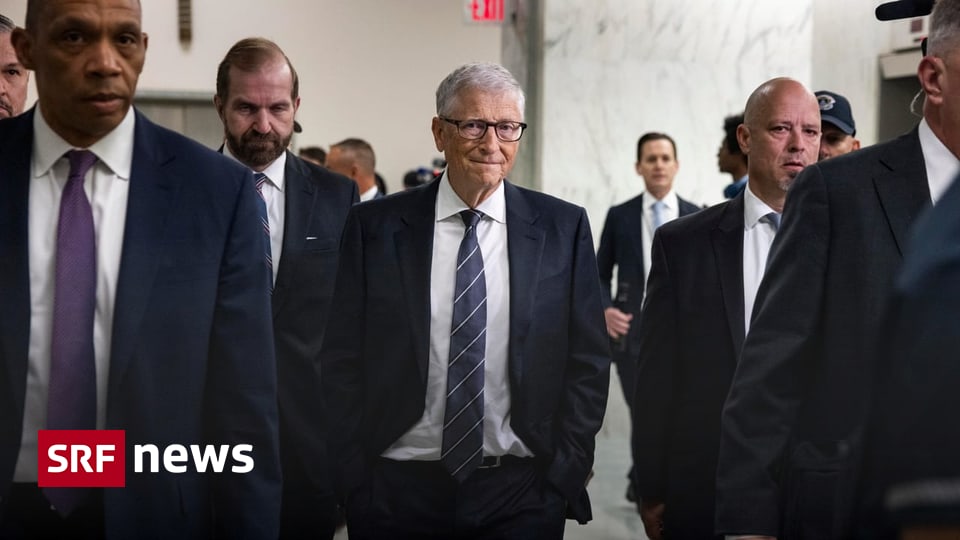
Bill Gates testified before a U.S. congressional committee on Thursday, detailing his interactions with Jeffrey Epstein and calling for justice for the financier’s alleged victims, according to multiple reports. The Microsoft co-founder, who has previously faced questions about his association with Epstein, described the relationship as a “mistake” during the hearing, marking a rare public acknowledgment of the matter.
Gates’ Testimony and Allegations
Gates told the House Oversight and Reform Committee that Epstein had attempted to “extort” him in the late 1990s, according to statements cited by Swiss media. The billionaire described how Epstein, who was later convicted of sex trafficking, had sought financial leverage over him, though he did not elaborate on the specifics of the alleged pressure. “I regret the association and the pain it caused,” Gates said, per reports. His remarks came as the committee examined the broader network of individuals connected to Epstein, including prominent figures in finance, politics, and philanthropy.
Epstein, who died in 2019 while awaiting trial on federal sex trafficking charges, had been linked to a web of powerful allies. Gates’ testimony added to ongoing scrutiny of how high-profile individuals navigated their relationships with Epstein, particularly during the 1990s and early 2000s. The congressional hearing focused on the failure of institutions to address allegations against Epstein, with lawmakers pressing witnesses on why his activities went unchecked for years.
Context of Epstein’s Legacy
The case has remained a focal point for debates about accountability and the role of wealthy elites in enabling criminal behavior. Epstein’s victims, many of whom were minors, have sought legal recourse, but his death left unresolved questions about the full scope of his operations. Gates’ testimony, while not new, underscores the lingering impact of his association with Epstein, particularly for those who have criticized his philanthropy in light of the revelations.
According to German media, Gates has previously acknowledged the relationship as a “mistake” in private conversations but had not addressed it publicly until now. The congressional hearing followed a series of investigative reports highlighting gaps in how Epstein’s network operated, including the involvement of lawyers, financiers, and socialites. Lawmakers emphasized the need for transparency, with one committee member stating, “This is not just about Epstein—it’s about the systems that allowed him to thrive.”
The hearing also touched on the broader implications for philanthropy and public trust. Gates, a major donor to global health and education initiatives, has faced questions about his ties to Epstein in the past. His testimony did not address those concerns directly but reaffirmed his commitment to supporting victims of sexual exploitation, according to reports.
While no immediate legislative action was announced, the hearing signaled continued congressional interest in holding institutions accountable for their role in Epstein’s case. The outcome of the inquiry could influence future efforts to reform oversight mechanisms for high-profile individuals and organizations.
