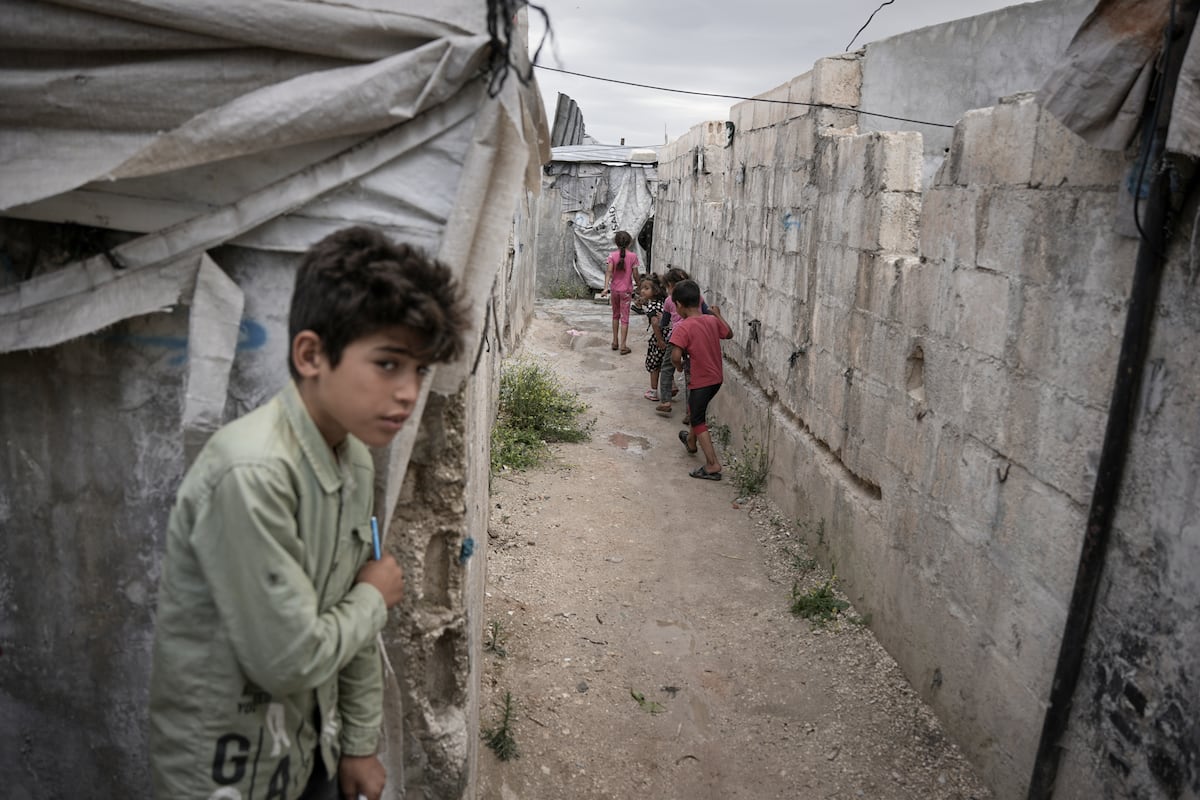
The global number of displaced people fell by 3% in 2025 to 41.6 million, marking the first decline in a decade, but 70% of those displaced have lived in exile for years, according to international reports. The reduction, attributed to repatriation efforts and conflict de-escalations, contrasts with ongoing challenges as millions face prolonged displacement or forced returns to unstable home countries.
What Factors Contributed to the Decline?
The decrease in refugee numbers followed a sustained period of conflict in regions including the Middle East and Africa, where peace agreements and humanitarian corridors facilitated returns, according to data from the United Nations High Commissioner for Refugees (UNHCR). However, the 41.6 million total still reflects a net increase over the past decade, with many displaced individuals unable to return due to persistent violence or lack of infrastructure.
Analysts note that the decline was uneven, with some areas experiencing significant reductions while others saw rising displacement. In 2025, over four million refugees were reported to have been coerced or pressured into returning to countries still grappling with conflict, according to regional media outlets. This trend has raised concerns among aid organizations about the safety and sustainability of such returns.
Why Does Prolonged Displacement Remain a Challenge?
Despite the overall drop, 70% of displaced persons have spent years outside their home countries, highlighting the slow resolution of conflicts and the complexities of resettlement. In the Americas, governments have emphasized regional cooperation, with some nations offering temporary shelter and legal pathways for displaced populations, as reported by UNHCR. However, the lack of long-term solutions continues to strain resources and policies in host countries.
Humanitarian groups warn that prolonged displacement often leads to economic instability and social fragmentation in both host and origin communities. “The focus must shift from short-term relief to durable solutions,” said a UNHCR spokesperson, citing the need for investment in education, healthcare, and job creation for displaced populations.
What’s Next for Global Displacement Efforts?
International agencies are prioritizing negotiations with conflict zones to address the root causes of displacement, while also advocating for protections for those forcibly returned. The UNHCR has called for increased funding to support integration programs, particularly in regions where displacement has become entrenched. Meanwhile, regional bodies in the Americas have pledged to expand solidarity initiatives, though challenges remain in coordinating responses across borders.

As 2026 approaches, the effectiveness of current strategies will be tested by ongoing conflicts and the evolving needs of displaced populations. The coming months may determine whether the 2025 decline signals a broader turning point or a temporary reprieve in a protracted global crisis.
Fast Facts
- Global displaced population: 41.6 million in 2025, a 3% decrease from 2024.
- 70% of displaced individuals have lived in exile for multiple years.
- Over four million refugees were reported to have been forced to return to unstable countries in 2025.
- UNHCR highlighted regional cooperation in the Americas as a key factor in managing displacement.
